
WATCH: Carly Brookfield, CEO of the Driving Instructors Association, comments on the DVSA’s new driving test rules
Last updated:
1792051906
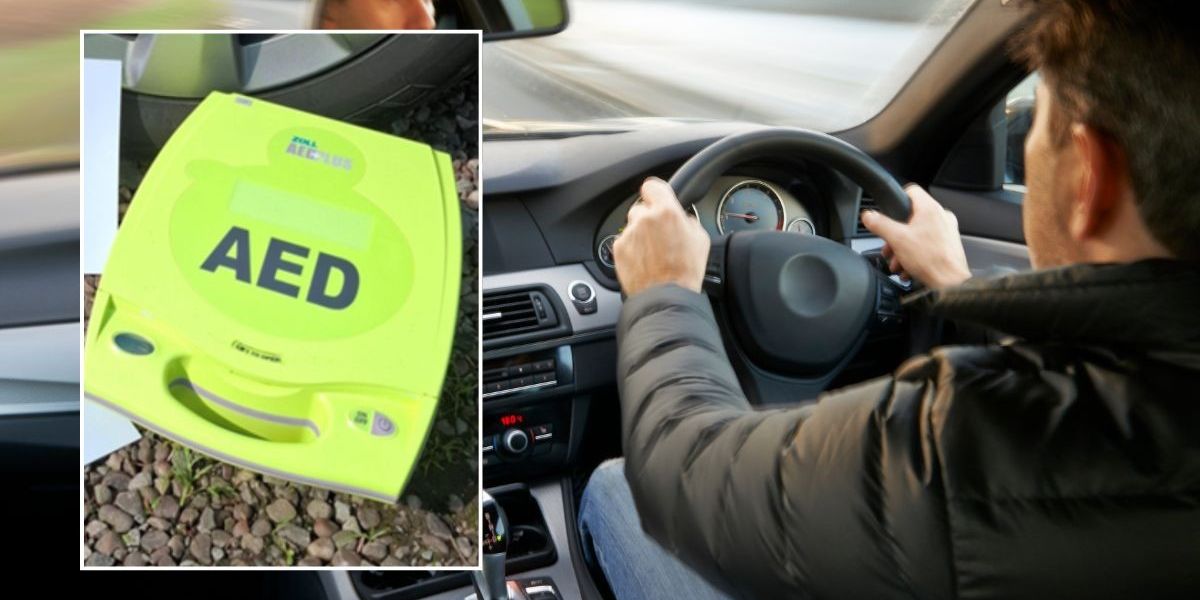
Experts have renewed calls for defibrillators to be installed in all new vehicles sold to raise access to life-saving equipment.
New research shows that 58 per cent of Britons do not know where their nearest public defibrillator is in an emergency, prompting fresh calls.
The data from JumpStart found that a lack of awareness was particularly strong in London, where just 25 per cent knew where they could find a defibrillator.
This is despite there being a vast network of life-saving devices across the capital, with almost 10,000 defibrillators.
It also comes amid growing support for defibrillators being fitted in all new cars sold in the UK, with 65 per cent backing the proposal.
Only one in 10 people were against fitting Automated External Defibrillators (AEDs) as standard in all new vehicles.
More than 40,000 people across the UK every year suffer an out-of-hospital cardiac arrest, with less than 10 per cent surviving.
Separate research from Heart Restart discovered that more than 35 million people live more than the recommended three-to-five minute walk from a defibrillator across England and Wales.
Over 16 million people in England and Wales live more than a one-kilometre round trip from an accessible device that is available 24/7.
The JumpStart campaign, which is funded by Jonathan Harris CBE, explains that installing defibrillators in new cars would create a massive network of life-saving devices.
With 350,000 new vehicles registered in September, defibrillator access could grow massively in the coming years if new rules are introduced.
Jon McLeod, a spokesperson for the JumpStart campaign, said: “The public is sending a clear message. Too many people still don’t know where to find a defibrillator, and they believe putting them in vehicles could save lives.
“This isn’t just a rural issue. The fact that three-quarters of Londoners don’t know where their nearest defibrillator is shows we need to think differently about access, awareness and preparedness.”
The Government has already taken action to improve provisions for defibrillator access by including questions about CPR on the driving theory test.
JumpStart believes that the next step is to “consider how vehicles themselves can become part of the solution”.
Robert Clewley, commercial director at WEL Medical, said compact and portable AEDs could be vital to further boost access, alongside the established public network.
He noted that this could be true, whether in blue-light emergency vehicles, high-use fleets or vehicles offered directly from manufacturers and dealers.
Dr Sophie Saxton, Honorary Secretary of the British Society for Cardiovascular Research, said: “Nearly 60 per cent of people do not know where their nearest defibrillator is, which means many lifesaving devices may never be used when they are needed most.
“Importantly, the public recognises that fitting new cars with defibrillators could help build a culture of confidence and preparedness.
“More than 80 per cent believe it would raise awareness of cardiac arrest and defibrillators, while two thirds say it would encourage them to learn CPR or how to use one.”
Follow related topics:
You are about to be charged
£0.00

`;
placeholder.insertAdjacentHTML(‘beforeend’, taboola);
}