
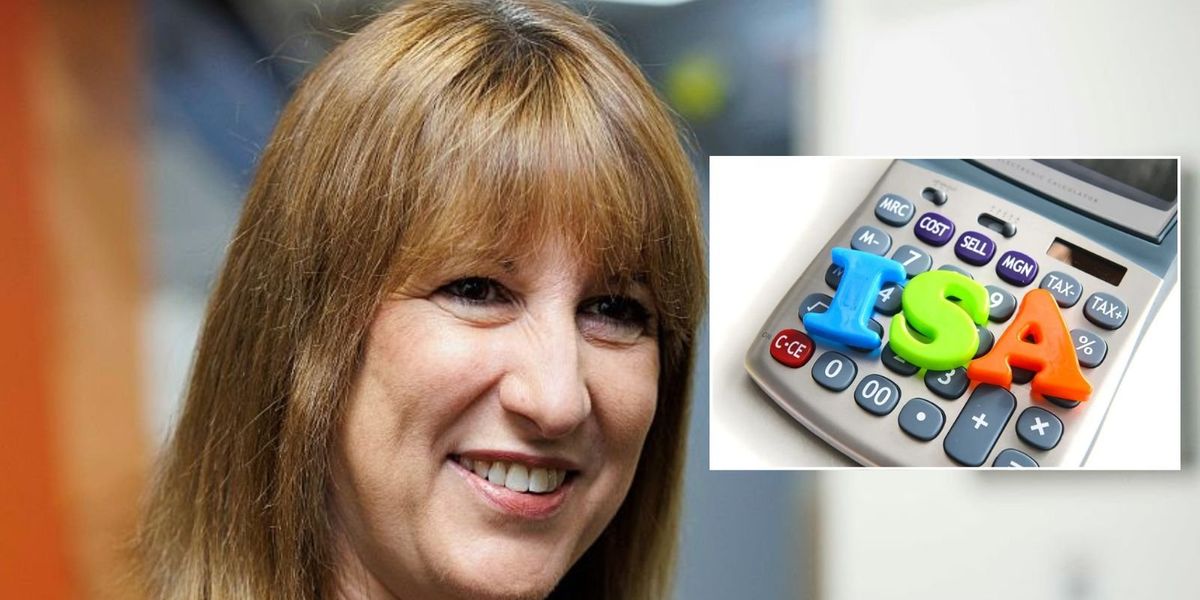
British savers deposited an extraordinary £12billion into ISAs during April 2026, as households scrambled to shield their money from taxation before sweeping reforms from Chancellor Rachel Reeves take effect next year.
The figure represents the second-highest monthly inflow since records began in April 1999, falling just short of the £13.1 billion peak recorded in April 2025.
This rush to maximise ISA contributions follows a pattern observed between 2023 and 2025, when April consistently saw the largest deposits of any month.
The surge comes as savers brace for significant changes to ISA regulations scheduled for April 2027, which will fundamentally alter how tax-free savings work for millions of people.
Rachel Reeves is making changes to the ISA tax regime
| GETTY
From April 6, 2027, individuals under 65 will see their annual cash ISA allowance slashed from £20,000 to just £12,000, though the full £20,000 limit remains available for those investing in stocks and shares ISAs.
The Chancellor is also set to impose a 22 per cent levy on interest generated by cash holdings within stocks and shares ISAs, a measure HMRC has confirmed will come into force from the same date.
Perhaps most significantly, the Budget 2025 statement confirmed that savers will be permanently barred from moving money out of Stocks and Shares ISAs back into cash ISAs.
Rachel Springall, finance expert at Moneyfactscompare.co.uk, said savers had rushed “to protect their hard-earned cash from tax” ahead of the regulatory overhaul.
Examples of tax free Isa earnings in the UK if you had £20,000 in the Isa | GBN
The ISA allowance resets each year on April 6, when a new tax year begins | GETTY
She noted that fiscal drag has been a key driver for savers to use their ISA allowance, with income tax thresholds frozen to 2031.
For those who have yet to utilise their 2026/27 allowance, Ms Springall advised that “there are still some highly attractive rates paying more than four per cent on cash ISAs on offer”.
She added that the allowance reduction is “an attempt to encourage savers to invest in a stocks and shares ISA” but stressed that “no one should feel forced to invest.”
Ms Springall highlighted that April 2026 saw substantial outflows of £13.1billion from interest-bearing sight deposits, including easy access accounts and current accounts, mirroring withdrawals of £11.1billion during the same month in 2025.
How much you could lose if Isa earnings were subject to income tax, broken down via interest rate and tax bracket | GBN
She warned that concerns over rising living costs this year could squeeze household budgets and reduce disposable income.
Those holding savings in older accounts should ensure they are earning rates that outpace inflation, reviewing their pots every few months.
Ms Springall particularly urged individuals planning to retire on a private pension before reaching 65 to seek professional advice on tax planning given the forthcoming cash ISA allowance reduction.