
But Premier League fans are not paying the highest prices of all – Paris St-Germain (£121), Barcelona (£101), and Real Madrid (£94) are all more expensive for fans per match on average.
Other clubs in their respective leagues charge significantly lower prices, however, meaning the average fan in Ligue 1 or La Liga is paying much less.
In some regards, Premier League clubs’ outgoings have significantly increased.
Between them, the 20 Premier League clubs have more than 11,000 full-time employees, an increase of 8% on the previous year, That is thanks largely to expansions in the commercial teams of clubs at the top end.
And operating costs – including things like utilities, transport, insurance, marketing, and administration – rose by 11% to a league-wide total of £1.77bn.
Wages paid to footballers totalled £3.1bn across the division in 2025, which was neither an increase nor a decrease.
“We can say costs are increasing and football clubs are not immune to that, but the vast majority of their expenditure is still player wages and transfer fees,” says Dan Plumley, principal lecturer in sport finance at Sheffield Hallam University.
“Clubs are constantly chasing revenue down, not to make a profit, but to stretch their squad costs as much as possible.
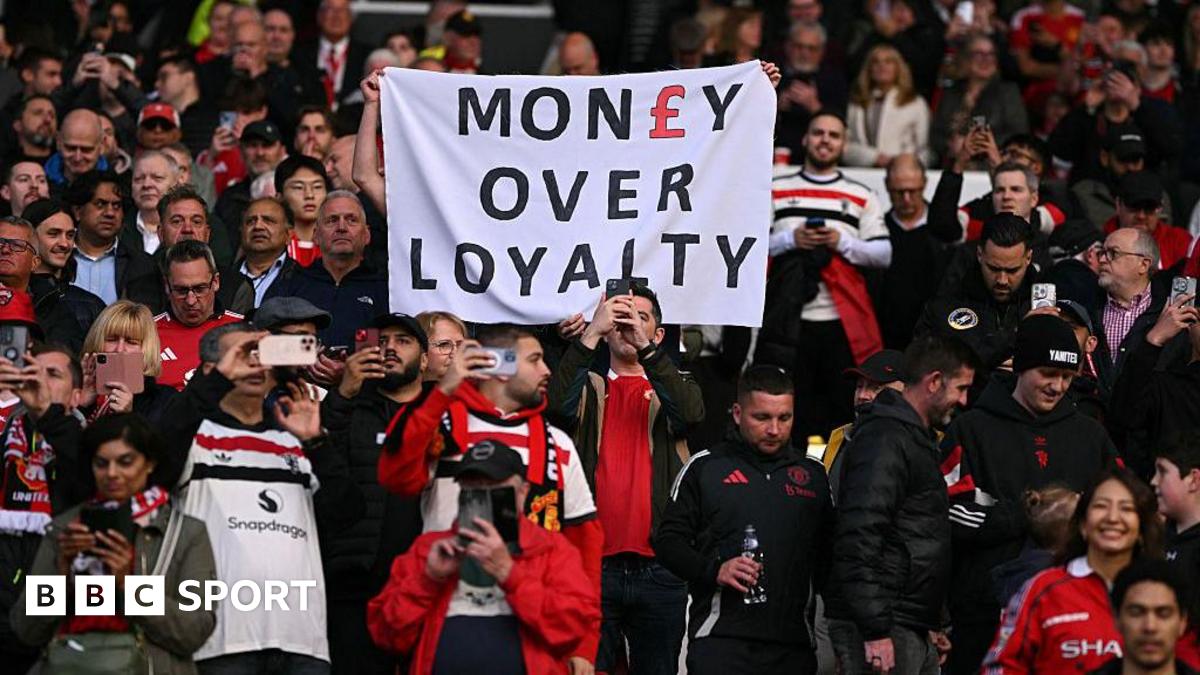
“That’s where clubs run the risk of alienating fanbases because a lot of fans will see that for what it is.
“Clubs have unwavering loyalty from their customers that you don’t really get in any other industry, and there’s potential for exploitation that comes with that.”