
NHS trusts struck more than a quarter of a million patients from waiting lists during January as part of efforts to achieve Labour’s backlog targets, with hospitals receiving payments of £33 for each removal.
The latest figures reveal 268,283 individuals were taken off NHS lists within the first month of 2026 – a rise of nearly 15 per cent compared with December, with an additional 33,640 removals.
Those removed from the system include people who opted for private treatment, individuals who passed away whilst awaiting care, and some who failed to respond to text message communications.
The total backlog decreased by approximately 44,000 to reach 7.25 million patients in a single month.
Health Secretary Wes Streeting declared the statistics meant matters are “finally starting to move in the right direction”.
Despite this, critics argue the apparent progress owes more to administrative removals than genuine increases in patient care.
Sarah Scobie, deputy director of research at the Nuffield Trust, told the Telegraph that the “sporadic improvements” are not all about the NHS delivering more care.
She claimed there was another uptick in “unreported removals” from the waiting list in January, removing patients to “tidy up the data”.
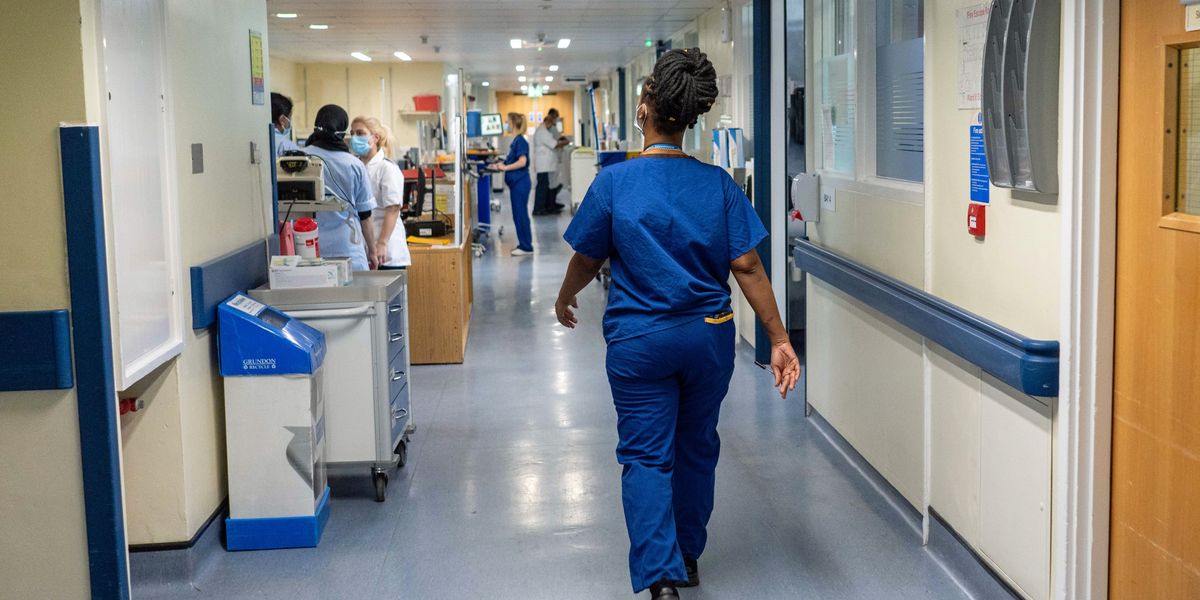
The NHS is found to be booting patients from waiting lists in a bid to hit Labour backlog targets | PA
She added: “It’s a legitimate process, but the NHS and the government need to be clear with the public if this plays a big role in getting the overall size of the list down, rather than attributing all the success to more treatment happening”.
Treatment numbers have remained static year-on-year, with 4.5 million procedures completed during the most recent quarter.
NHS England rejected suggestions that patient removals were driving the backlog reduction, with a spokesman describing such claims as “completely misleading”.
The health service maintained that record numbers of appointments, tests and scans delivered in 2025 were responsible for cutting waiting lists to their lowest point in three years.
Officials noted that removal rates have remained consistent over the past three years, and currently stand at 14 per cent of total removals, down from 17 per cent before the pandemic.
However, performance against Labour’s flagship 18-week treatment target deteriorated in January, with only 61.49 per cent of patients seen within the timeframe – a slight decline from 61.51 per cent the previous month.
NHS waiting lists have continued to spiral since the pandemic | BMA
This leaves the government’s ambition of reaching 65 per cent by the end of March looking increasingly difficult to achieve.
The NHS faces mounting pressure across emergency services, with Dr Scobie warning the health service has a “vanishingly small” prospect of meeting its four-hour A&E targets following minimal improvement over the past year.
During the busiest winter on record, which saw more than nine million attendances between November and February, some 54,649 patients endured waits exceeding 12 hours on trolleys.
The figure is nearly 15 per cent higher than the same period last year.
Meanwhile, growing numbers of patients are abandoning the NHS for private care.
A Healthwatch England survey found 16 per cent sought private treatment in the past year, up from nine per cent in 2023, with 39 per cent citing lengthy waiting times as their primary motivation.
Critics have expressed growing concern that exceedingly long wait times are becoming normalised within the system.