
Labour has unveiled sweeping reforms to special educational needs provision, vowing to dismantle a system it says has caused widespread distress to families across England.
Over a million pupils with additional needs will gain new legally enforceable rights under the proposals, which introduce mandatory Individual Support Plans (ISP) for all children with special educational needs and disabilities (Send).
At present, over 70 per cent of schoolchildren requiring extra assistance have no legal entitlements whatsoever.
Under the plans set out in the schools white paper “Every Child Achieving and Thriving”, every school will be obliged to create personalised ISPs drawing from a national framework of proven interventions.
Labour says multi-billion-pound investment in services such as speech and language therapy will ensure support is “easily available, without a fight”.
Education, Health and Care Plans will remain in place for those with more complex requirements that mainstream schools cannot routinely address.
A triple lock of transitional protections guarantees that no child currently receiving effective support will lose it.
Every pupil with a special school place in 2029 will retain that placement for as long as they wish, right through to the end of their education.
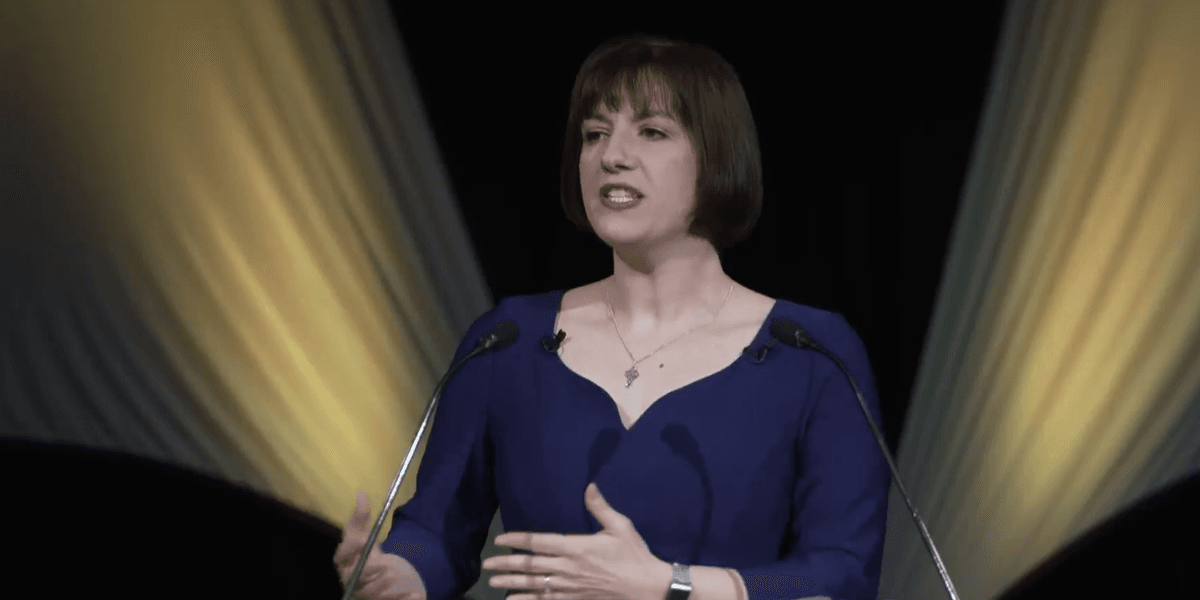
Education Secretary Bridget Phillipson lays out the plans
|
GB NEWS
For children in mainstream settings with an EHCP who would be better served by an ISP in future, the transition will not commence until 2030, once the new inclusive system is fully operational.
These changes will only occur as pupils naturally progress between educational phases, such as moving from primary to secondary school.
ISPs will be established for any child transitioning from an EHCP before they enter the new framework, ensuring continuous provision.
The Government has confirmed that no pupil currently in year 3 or above will be moved to an ISP against their wishes until they complete secondary education.
Teachers and support staff throughout England will receive training to better meet the needs of pupils with additional requirements, supported by £200million of investment based on the latest evidence.
A £1.6billion inclusion grant will fund proven programmes in every school, including small group speech and language support targeting the most common SEND needs.
The government is investing £3.7billion to establish more than 60,000 additional specialist places, with the expectation that every secondary school will eventually have an inclusion base for delivering extra support and small group work.
A further £1.8billion has been allocated to the “Experts at Hand” programme, which will expand access to educational psychologists and other specialists for children with more severe behavioural and processing needs in every town across the country.
The case of Sara Sharif was “a heartbreaking reminder of the profound weaknesses in our child protection system”, Rachel de Souza said | PA
Children’s Commissioner Dame Rachel de Souza welcomed the commitment to prioritise children’s rights, stating: “Under these plans, no child should fear losing support.”
General secretary of the Association of School and College Leaders Pepe Di’Iasio said: “We commend the ambition of the government’s white paper to create an education system which is more inclusive and works better for children with special educational needs.
“Our schools and colleges already deliver a high standard of excellence, but too many children who face the greatest challenges lack the level of support they need and deserve because of long-standing problems with the current Send system.
“The Government’s plan to build more support in mainstream schools, invest in professional development, prioritise early intervention, and provide better access to educational psychologists and speech and language therapists is the right way to go.”