
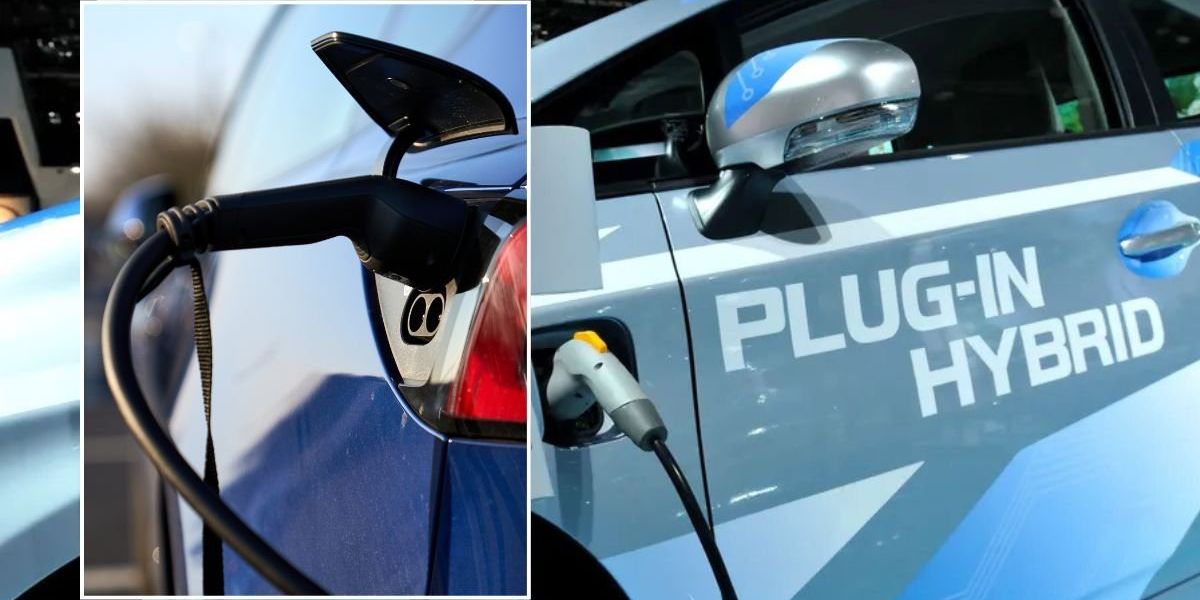
Most of the best-selling plug-in hybrids in the UK are more expensive than electric vehicles, according to new data, as experts call for EV targets to be strengthened.
Fresh analysis shows that eight of the 10 most popular hybrids in the UK cost more to buy than electric equivalents.
Motorists are paying an average of £4,150 more for the Recommended Retail Price of a plug-in hybrid when compared to a similar electric vehicle.
On average, plug-in hybrids are 10 per cent more expensive to purchase than zero emission vehicles, which could potentially put off many drivers.
The plug-in hybrid version of the UK’s best-selling car in March, the Jaecoo 7, is £2,000 more expensive to purchase than the Omoda E5 electric vehicle.
Drivers looking to get their hands on the Volkswagen Tiguan PHEV will pay £5,780 extra than someone buying a VW ID.4.
Other savings include a £4,035 difference between a Ford Kuga and a Ford Explorer, while the MG HS is £3,400 more expensive than the MG S5.
Colin Walker, head of transport at the Energy and Climate Intelligence Unit, outlined that plug-in hybrid sales were growing as more people transition away from petrol and diesel vehicles.
New analysis shows that electric car equivalents are cheaper than eight in 10 of the most popular plug-in hybrids
|
GETTY
Recent data from the Society of Motor Manufacturers and Traders (SMMT) found that plug-in sales soared by 46.9 per cent year-on-year in March.
Last month also saw the best-ever electric car sales, with 86,120 new EVs registered, making up 22.4 per cent of the market.
Mr Walker warned drivers looking to switch that plug-in hybrids “won’t deliver the savings that are promised to them”, given expensive fuel costs and a higher purchase price.
He said: “In real life, PHEVs rely on petrol for most of their driving – and burn much more of it than their manufacturers claim.
The Volkswagen ID.4 EV is £5,780 cheaper than the VW Tiguan PHEV
|
VOLKSWAGEN“This leaves them vulnerable to the rising fuel prices that are hitting petrol and diesel drivers hard when they go to fill up at the pump.
“The best way that drivers can reduce their exposure to spikes in global oil markets is shift to vehicles that don’t need oil to move – EVs.”
While fuel prices have dropped slightly in recent months, drivers are still paying more than 25p more per litre than they were being charged at the start of the Iran war.
As a result of soaring oil prices, plug-in hybrid fuel prices have risen 30 per cent, with PHEV drivers expected to pay an average of £620 a year solely on fuel.
The Omoda E5 is £2,000 cheaper than the Jaecoo 7 plug-in hybrid
|
OMODAPlug-in hybrids will also be at the mercy of the new Electric Vehicle Excise Duty (eVED) from 2028, where motorists will be charged for every mile they drive.
The ECIU noted that plug-in hybrids are now more than £1,000 a year more expensive to own and operate than an EV when servicing, tax and insurance costs are taken into account.
Mr Walker lamented the Government’s decision to incentivise the sale of plug-in hybrids by allowing their sale after 2030, when new petrol and diesel cars will be banned.
“Maintaining these targets will help the UK enhance its energy security, and shield its drivers from shocks in global oil markets, by encouraging the uptake of EVs, increasingly powered by electricity generated in British wind and solar farms,” he added.