
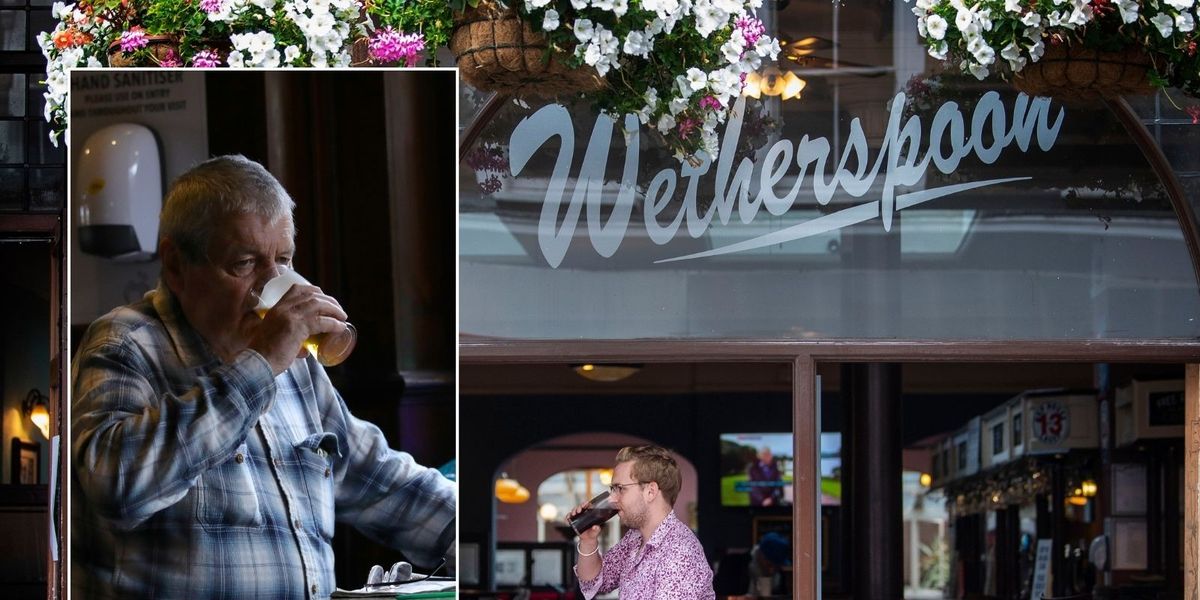
Britain’s pub-goers could soon be paying double digits for a pint as mounting cost pressures continue to build.
Wetherspoons chairman Tim Martin, who heads the 794-venue chain, warned that rising national insurance contributions, wage increases and energy bills will inevitably be passed on to customers.
His comments come as new analysis suggests the once-unthinkable prospect of a £10 pint may not be far off, particularly in major cities where prices are already nearing that level.
Profitability across the sector has deteriorated sharply over the past year, according to experts at money.co.uk, using data from the British Beer and Pub Association. Their modelling, which takes into account recent policy changes, inflation and wider economic pressures, paints a bleak picture for the industry.
The research found that a typical drinks-led pub now keeps just 3p from every £1 spent by customers, nearly half the level seen a year ago.
Costs quickly eat into revenues with wholesale food and drink accounting for around 41p of every £1 spent. Wages take a further 31p hit following increases to the National Living Wage and employer National Insurance contributions.
Utilities and other operating expenses, including waste disposal, insurance, music licences and banking fees, absorb most of what remains, leaving around 6p in gross profit.
After rent is deducted, typically around half of gross profit, publicans are left with just 3p from every £1 in sales.
In Britain’s most expensive cities, the once-dismissed idea of a £10 pint is edging “closer to reality” as prices continue to rise. In London, drinkers are already used to paying around £7 for a pint, with the average now standing at £6.92.
Some venues are charging far more, with one pub in Greenwich asking £8.80 for a lager, suggesting a double-digit price point could soon be reached.
Wetherspoons revealed its pre-tax profits fell sharply, dropping 31.9 per cent to £22.4million in the 26 weeks to 25 January
|
PAThe pressure comes as the pub sector continues to shrink. More than 1,100 pubs closed across the UK in 2025, with a further 212 shutting so far this year, equivalent to around four closures a day.
If current trends continue, forecasts suggest average pint prices in London could exceed £10 by 2036, with the rest of the UK following by 2047, the Telegraph found.
Wetherspoons revealed its pre-tax profits fell sharply, dropping 31.9 per cent to £22.4million in the 26 weeks to 25 January.
The pub chain said the decline was driven largely by higher wage costs, alongside £10million spent on repairs and £9million in business rates.
Mr Martin warned the group now faces an additional £60million a year from rising national insurance contributions and pay increases.
The pressure is compounded by a further £7million in energy costs and £2.4million linked to the Extended Producer Responsibility packaging levy.
If current trends continue, forecasts suggest average pint prices in London could exceed £10 by 2036
|
GETTY“These cost increases will undoubtedly add to underlying inflation in the UK economy although Wetherspoon, as always, will endeavour to keep price increases to a minimum,” Mr Martin stated.
Jake Pemberton, landlord of The Gladstone in Nottingham, described how beer price rises frequently fail to offset the mounting burden of business rates, energy bills, minimum wage requirements, VAT and other taxes.
“Higher beer prices keep people at home and we’re losing the culture of going to the pub for a couple pints after work,” he said. “Communities are suffering, as pubs & pub goers often come hand in hand with community spirit.”
Mr Pemberton explained that three of his real ale products required a 15p increase to maintain margins, yet he could only add 10p, fearing he was approaching the ceiling customers would tolerate.
The Iran conflict has introduced another threat to pub finances, with Brent crude surging to approximately $103 per barrel and European gas prices climbing sharply due to attacks on energy infrastructure and shipping disruptions through the Strait of Hormuz
The Middle East conflict could quickly filter through to the beer sector because pubs, bars and breweries are highly exposed to both energy and transport cost
|
PAMolly Monks, insolvency expert at Parker Walsh, warned that breweries face higher production and distribution costs, while pubs are subsequently hit through refrigeration, lighting and heating expenses.
She said the pressure could quickly filter through to the beer sector because pubs, bars and breweries are highly exposed to both energy and transport costs.
“Beer businesses are particularly vulnerable when oil and gas prices rise because the impact is felt at several different points in the chain.
“Breweries face higher production and distribution costs, while pubs and bars are then hit again through refrigeration, lighting, heating and other day-to-day running costs.”
She added: “Many pubs and hospitality venues are already working with very little room for error.”