
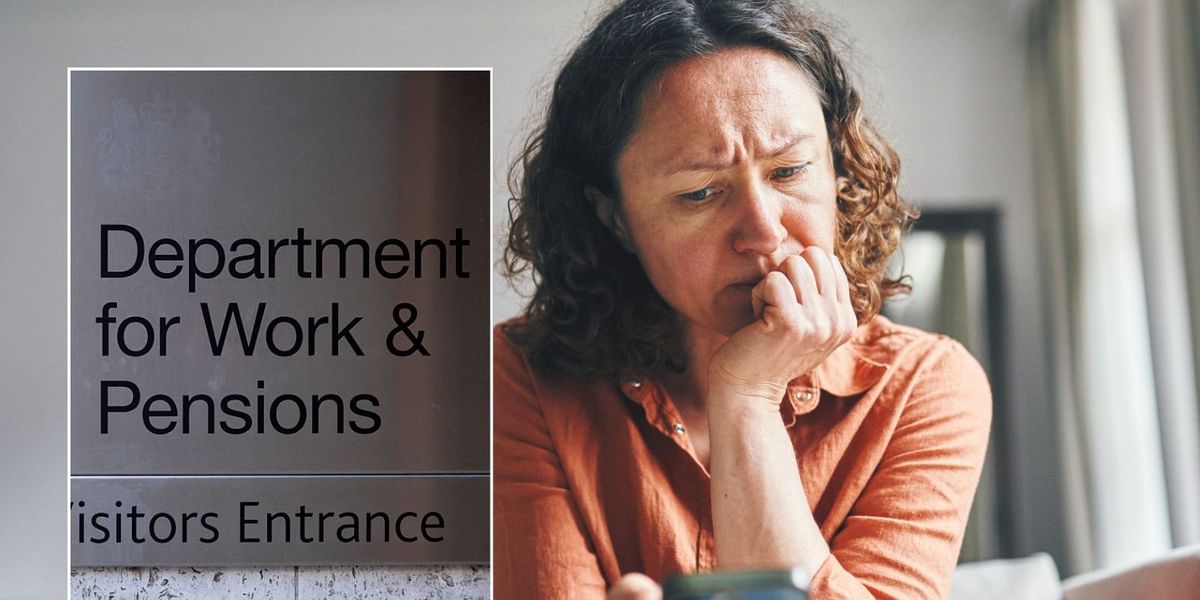
Winter fuel payments in ‘JEOPARDY’ as Reeves U-turn means Britain faces ‘BANKRUPTCY’: Labour CHAOS
|
Published:
1794228170
| Updated:
1794228170
Pensioners with individual taxable income exceeding £35,000 a year could be forced to hand back their Winter Fuel Payment to the government.
The Department for Work and Pensions has issued a fresh warning that HMRC will claw back the benefit from higher earners, even after the money has landed in their bank accounts.
For winter 2026/27, eligible pensioners across England, Wales and Northern Ireland stand to receive between £100 and £300 towards their heating costs.
Most payments are expected to be deposited automatically during November or December.
But the DWP has made clear that anyone whose individual annual income sits above the £35,000 threshold will ultimately have the full amount recovered through the tax system.
Crucially, the £35,000 threshold is based on an individual’s total income rather than the combined earnings of a household.
In practice, this means one partner in a couple could be required to repay their payment in full while the other retains theirs.
Gordon Wallis, an energy expert at Your NRG, said: “The Winter Fuel Payment can provide valuable support for pensioners facing higher heating bills, but it’s important that people understand the income rules before relying on this money.”
Mr Wallis added: “Some households may see the payment arrive in their bank account and assume they can put it straight towards their winter energy costs.
“However, if their individual income is above £35,000, they could end up having to repay the full amount through the tax system.
“It’s particularly important for couples to understand that the threshold applies individually, not to their combined household income.”
For most affected pensioners, HMRC will recoup the money by altering their tax code. This results in a higher amount of tax being deducted from their wages, salary or pension income going forward.
Those who file a Self Assessment tax return will instead see the repayment collected through their annual tax bill.
Gov.UK has an online checklist for pensioners who are unsure whether they fall above the income threshold. The resource explains how to verify total individual income and sets out exactly how any repayments will be processed.
Mr Wallis urged pensioners to take stock of their entitlements before the winter months take hold, saying: “The most important thing is to understand exactly what support you’re entitled to and plan your winter energy spending accordingly.”
Beyond financial planning, Mr Wallis encouraged pensioners to consider practical ways of reducing heat loss at home before simply turning up the thermostat.
“Small gaps around windows and doors can allow warm air to escape, meaning your heating system has to work harder to keep rooms comfortable,” he said.
He recommended fitting draught-proofing strips, using draught excluders and drawing curtains as soon as darkness falls as straightforward measures to retain warmth.
The Energy Saving Trust similarly advises sealing unwanted gaps around windows and doors to cut heat loss and boost energy efficiency.
Mr Wallis also suggested ensuring radiators are not obstructed by furniture and making better use of heating controls, though he cautioned against blocking essential ventilation, which can lead to condensation and damp.
Follow related topics:
You are about to be charged
£0.00

`;
placeholder.insertAdjacentHTML(‘beforeend’, taboola);
}