
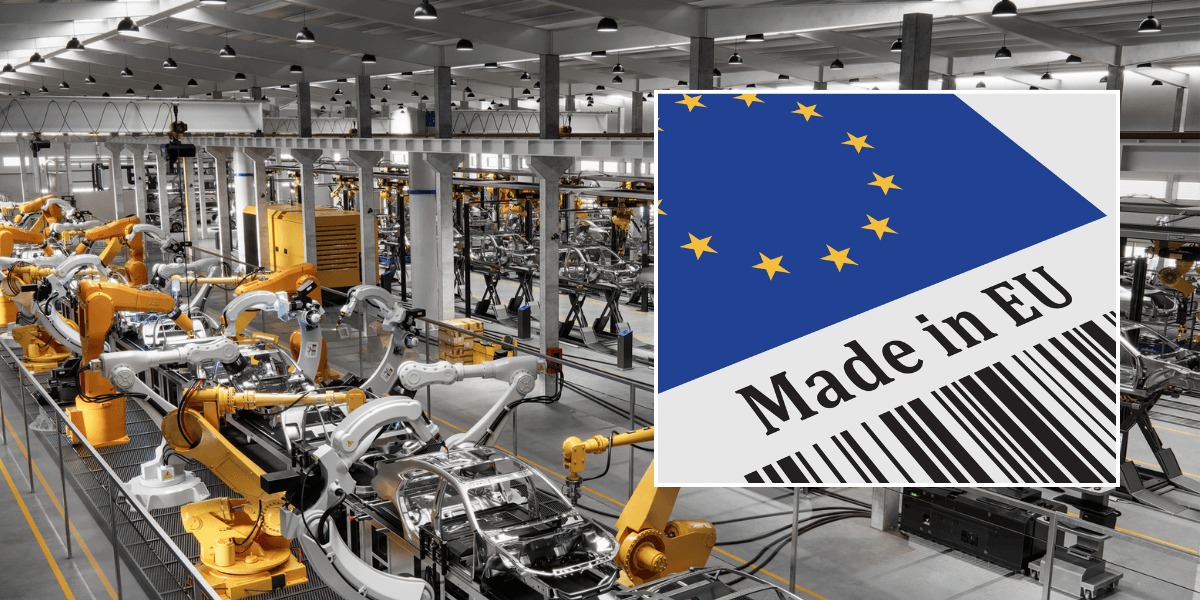
Britain must be included in new EU “Made in Europe” rules or risk being pushed out of key automotive supply chains, business leaders have warned.
The British Chambers of Commerce warned that new proposals being considered by Brussels could force UK firms out of European manufacturing networks unless exemptions are agreed as part of ongoing negotiations with the EU.
The warning comes as the EU pushes ahead with a major “Made in Europe” agenda designed to protect European industries from global competition and subsidised imports.
Among the proposals under discussion are rules that could require up to 70 per cent of components in EU-made products to come from inside the bloc.
The concern is particularly acute for the automotive sector, where legislation has already been proposed to increase EU-only content requirements and subsidies for vehicles manufactured within Europe.
William Bain, head of trade policy at the BCC, warned the impact on British manufacturers could be severe.
He said: “There is a continuing debate between EU members as to how far it should push its Made In Europe agenda. But if a more extreme version is enacted, it would have a chilling effect on cross-border trade and cause chaos for EU-based producers reliant on UK parts and components.”
“If legislation is brought in that demands almost three quarters of the content of EU products is from within the bloc, then British firms would inevitably be forced out.”
RSM highlighted how the £3.7billion trade agreement with the Gulf Cooperation Council could be essential
|
GETTY
The warning comes at a difficult time for Britain’s automotive industry, which is already facing falling exports, rising costs and growing pressure from Chinese manufacturers.
Global car production is expected to decline by around two per cent this year, while Chinese firms continue to dominate much of the remaining market growth.
British carmakers have also been hit by supply chain disruption, import tariffs and weaker commercial vehicle production.
Luxury vehicle exports to China have dropped sharply as Chinese consumers increasingly turn to domestic brands instead of traditional British manufacturers.
Growing tariffs and Chinese vehicles in the UK have impacted UK car production numbers
|
PAHowever, Emily Sawicz, director and industrials senior analyst at RSM UK, said there could be opportunities for British firms if they are able to benefit from future EU support measures.
She said: “These measures could help reduce tariffs and open up new demand to partially replace lost luxury sales, though supply chain and export logistics remain a hurdle.”
Ms Sawicz also pointed to a proposed £3.7billion trade agreement with the Gulf Cooperation Council as another possible boost for the sector.
The deal would include vehicle exports among a wider range of goods and could lower tariff barriers for British-made cars sold into Middle Eastern markets.
Experts have warned the ‘Made in Europe’ plans could impact UK vehicle sales
|
PAShe also suggested Britain’s tariff position could become an advantage for domestic manufacturing, with brands more likely to produce here, rather than exporting from China.
Lotus has already indicated it could expand production into the UK if Government support is provided, noting that it could build hybrid vehicles in the UK, including the Emira and the upcoming Type 135 supercar.
Ms Sawicz said Britain still has the foundations needed for long-term automotive growth, saying: “The UK has the factory capacity, the skilled workforce and the heritage in automotive production.
“If that potential can be unlocked, it could offer a much-needed route to long-term growth at a time when the wider market remains fragile.”