
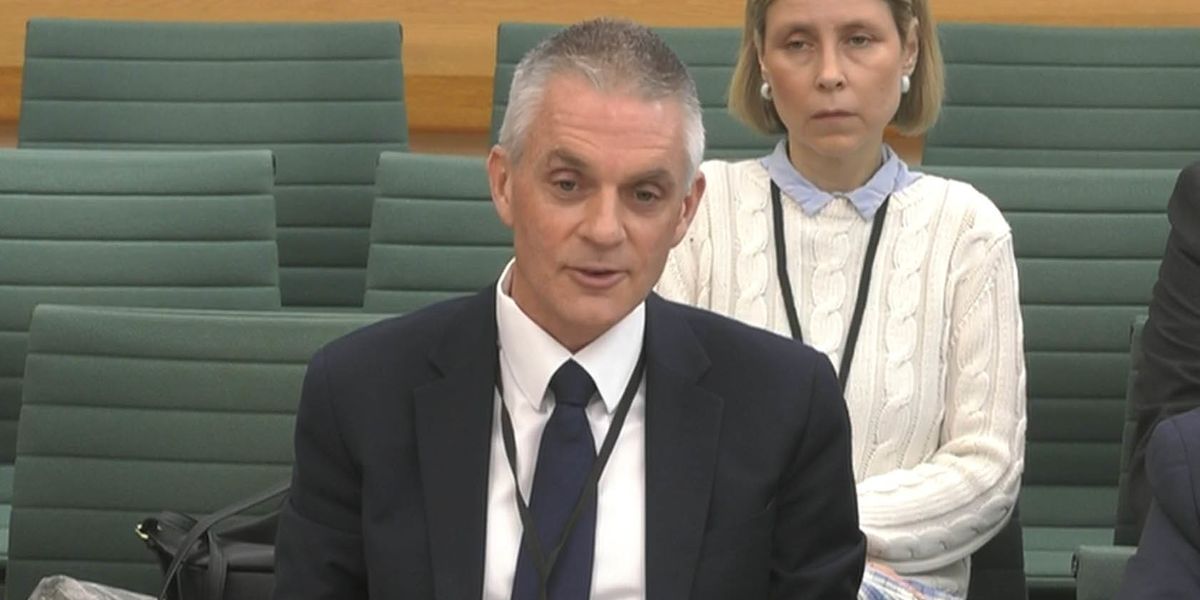
The BBC has a “metropolitan lens on life” and does not get how Britain thinks, the BBC’s outgoing director-general has admitted.
Tim Davie, who announced he was leaving Broadcasting House after Panorama spliced together footage of Donald Trump’s January 6 speech, claimed he countered the issue by hiring apprentices from different backgrounds.
Speaking on The Rest Is Entertainment podcast, Mr Davie said: “Trust is built by people absolutely believing that someone is acting in their interest and that they listen to them.
“If someone is not seen to listen and act in someone’s interest, then you’ve got a problem. So it may not even be an active bias. It might just be that you just don’t get it.
“And I think there have been too many instances where institutions – and the BBC is definitely not exempt from this – [have] call it what you will, metropolitan, a certain lens on life.
“I happen to think it’s not helped by ‘Left’ and ‘Right’. It’s a view on life, a metropolitan view.”
However, Mr Davie’s final months at Broadcasting House have been overshadowed by controversy.
The 58-year-old, who officially leaves the BBC on April 2, resigned alongside Deborah Turness over the doctoring of Mr Trump’s speech in a Panorama documentary.
BBC’s Director-General Tim Davie has set out plans for their ‘biggest ever’ | PA
The US President is now suing the BBC for £5billion.
Other controversies include the BBC’s coverage of Glastonbury, the Baftas and events in Gaza.
Despite the blunders, Mr Davie suggested the mistakes had been weaponised by the BBC’s critics.
He said: “We’re in an age where weaponisation is rife. Someone said to me, ‘it’s not weaponisation, it’s simply pointing out the fact that you didn’t get that right or you pulled that documentary’.
New Broadcasting House in central London | PA
“And that’s true. We’ve made mistakes, some serious mistakes, which we regret.
“But weaponisation is selectively taking one fact – it may be a fact, so you’re standing on a fact, but what you’re not standing on is any effort to be proportionate.
“You’re not saying, ‘look, a thousand stories run, and one didn’t get it right,’ or, ‘overall this is where there’s no balance of data.’
“It’s literally just selecting a fact to make a case.”
The scandals that have gripped Broadcasting House in recent years
|
GB NEWS
Confidence in the BBC has dropped following the series of scandals at Broadcasting House.
YouGov found just 38 per cent of Britons trust the corporation to tell the truth, down from 81 per cent in 2003.
Mr Davie warned last month that the BBC now faces “profound jeopardy” over its future unless it embraces significant changes to its funding.
He said: “We do want reform. We do want reform of the licence fee.
Tim Davie warned about the potential impact of reform at the BBC
|
GETTY“However, we’re not just about driving the amount we get from households higher.
“My biggest fears are that we just roll on and think it’s going to be OK. We don’t reform enough.
“At that point, we don’t get regulatory reform and more flexibility.
“That’s my biggest worry. And I think, if we don’t do that, we’re in trouble.”