
British BulletinBritish Bulletin
  • Home
  • News
  • Politics
  • Business
  • Entertainment
  • Lifestyle
  • Health
  • Sports
  • Tech & Science
  • Travel
  • Spotlight
  • More
    • Press Release
What's On

Three people injured after car ploughs into crowds as police arrest woman

19 April 2026

Peter Mandelson: Labour MP Tom Hayes handed brutal slap down in attempt to DODGE Keir Starmer grilling in explosive GB News clash

19 April 2026

Everton 1-2 Liverpool: Merseyside Derby win for the fans after tough season – Arne Slot

19 April 2026

Take Back Power activists charged after pouring manure on floor of the Ritz and Tower of London custard stunt

19 April 2026

Peter Mandelson: Keir Starmer blasted for ‘dubious’ appointment amid security vetting row

19 April 2026
Facebook X (Twitter) Instagram
Web Stories
Facebook X (Twitter) Instagram
British Bulletin
Subscribe
  • Home
  • News
  • Politics
  • Business
  • Entertainment
  • Lifestyle
  • Health
  • Sports
  • Tech & Science
  • Travel
  • Spotlight
  • More
    • Press Release
British BulletinBritish Bulletin
Home » Scientists reveal how many cups of coffee are linked to a lower risk
Lifestyle

Scientists reveal how many cups of coffee are linked to a lower risk

By britishbulletin.com11 February 20263 Mins Read
Scientists reveal how many cups of coffee are linked to a lower risk
Share
Facebook Twitter LinkedIn Pinterest Email

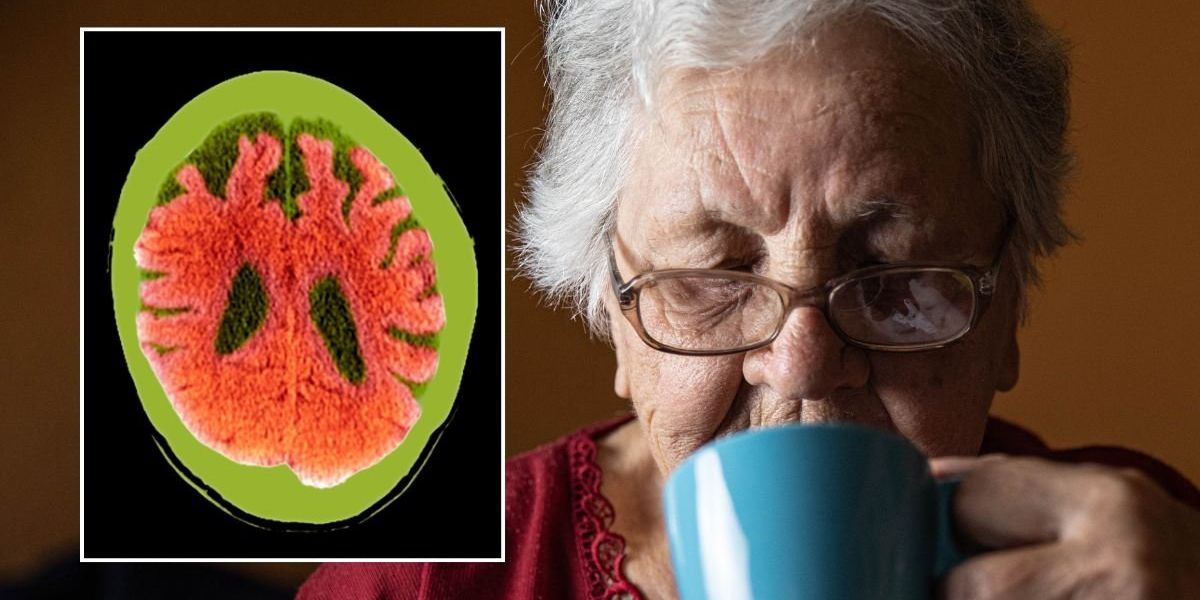
Drinking two to three cups of caffeinated coffee each day, or one to two cups of tea, is linked with the lowest risk of developing dementia, according to a major Harvard University study.

The research, published in JAMA, suggests that people who enjoy these popular beverages also tend to have sharper mental skills compared to those who don’t drink them at all.


“Greater consumption of caffeinated coffee and tea was associated with lower risk of dementia and modestly better cognitive function, with the most pronounced association at moderate intake levels,” the researchers wrote.

The findings emerged from a data pool of more than 130,000 American health professionals over an impressive 43-year period. It included around 86,000 female nurses and 45,000 men working in healthcare roles across the United States.

Greater consumption of caffeinated coffee and tea was associated with a lower risk of dementia

|

GETTY

Every two to four years, the respondents filled out questionnaires about their eating and drinking habits, including how much caffeinated coffee, decaf, and tea they consumed. They also underwent cognitive tests to measure their mental sharpness.

Over the course of the follow-up period, 11,033 people in the study developed dementia.

Yu Zhang, the study’s lead author from Harvard’s TH Chan School of Public Health, said identifying lifestyle factors that might influence dementia risk is crucial given the limited treatments currently available. But when it came to the numbers, certain findings stood out.

Those who drank the most coffee appeared to have an 18 per cent lower chance of developing dementia compared to people who barely touched the stuff. The biggest drinkers showed a 16 per cent reduced risk.

Both groups also experienced a slower rate of mental decline over time compared to those who drank the least.

Among the nurses in the study, higher caffeinated coffee intake was also tied to better performance on cognitive tests, with tea showing similar results.

Here’s the interesting bit, though – decaf coffee didn’t seem to offer any of these benefits, suggesting caffeine itself might be the key ingredient.

But before you start brewing an extra pot, experts are urging caution about what these findings actually mean.

Both tea and coffee drinkers appear to experience slower cognitive decline

| GETTY

Dr Susan Kohlhaas, executive director of research at Alzheimer’s Research UK, said: “This research doesn’t prove that coffee or tea protect the brain. This study shows an association, not a cause-and-effect relationship.”

She pointed out that coffee and tea drinkers might differ in other ways that affect brain health, and the study was conducted among similar groups of health professionals, limiting how broadly the results apply.

Prof Tara Spires-Jones from the UK Dementia Research Institute agreed, noting that observational research like this can’t definitively prove caffeine was responsible for the lower dementia risk. Other factors linked to drinking habits could be at play.

Share. Facebook Twitter Pinterest LinkedIn Tumblr Email

Keep Reading

Major car brands issue urgent recall of 2.1 million vehicles over serious concerns

Electric cars with solar panels benefit from range boost as British group pioneers revolutionary tech

Fuel prices remain high as Iran war rages on

Car insurance error could see drivers slapped with £1,500 bill as millions face extra costs

Driving licence changes launching this year will see digital ID rolled out for millions of Britons

Petrol and diesel drivers slapped with extra costs amid demands for HMRC to end ‘tax unfairness’

Classic car owners hit by ‘unfair’ tax raid despite driving less and paying more

Mini, Ford and more eligible for £3,750 discount

Chinese car brand could launch ‘in-vehicle toilet’ to ‘satisfy needs on long journeys’

Editors Picks

Peter Mandelson: Labour MP Tom Hayes handed brutal slap down in attempt to DODGE Keir Starmer grilling in explosive GB News clash

19 April 2026

Everton 1-2 Liverpool: Merseyside Derby win for the fans after tough season – Arne Slot

19 April 2026

Take Back Power activists charged after pouring manure on floor of the Ritz and Tower of London custard stunt

19 April 2026

Peter Mandelson: Keir Starmer blasted for ‘dubious’ appointment amid security vetting row

19 April 2026

Subscribe to News

Get the latest Brittan News and Updates directly to your inbox.

Latest News

Emma Raducanu withdraws from Madrid Open

19 April 2026

Britain’s ‘poshest binman’ rakes in £625k-a-year as ‘council services aren’t up to speed’

19 April 2026

Samantha Niblett who wants Britain to have a ‘summer of sex’ endorses porn site that fails to block children from accessing content

19 April 2026
Facebook X (Twitter) Pinterest TikTok Instagram
© 2026 British Bulletin. All Rights Reserved.
  • Privacy Policy
  • Terms
  • Advertise
  • Contact

Type above and press Enter to search. Press Esc to cancel.