
Leasehold homeowners whose properties are genuinely worth less than £2million could still be forced to pay Rachel Reeves’s new council tax surcharge because of a valuation system that does not take shorter lease terms into account.
The Valuation Office Agency (VOA) values leasehold homes on the assumption that every property has 99 years remaining on its lease, regardless of the actual length left to run.
On Tuesday morning, Keir Starmer announced that ground rents for leaseholders in England and Wales will be limited to £250 a year under wide‑ranging reforms.
This methodology risks inflating valuations for thousands of flats with leases below 80 years, even though such properties typically sell for significantly less on the open market.
Industry estimates suggest that shorter leases can reduce a property’s value by as much as 30 per cent, meaning homes that would sell well below the £2million threshold could be treated as if they exceed it.
From 2028, affected owners could face annual charges starting at £2,500 under the new mansion tax regime, despite their true market value falling beneath the official trigger point.
More than one in ten leasehold flats in England has a lease of under 80 years, with around a third of these properties located in London, according to research cited in parliamentary material.
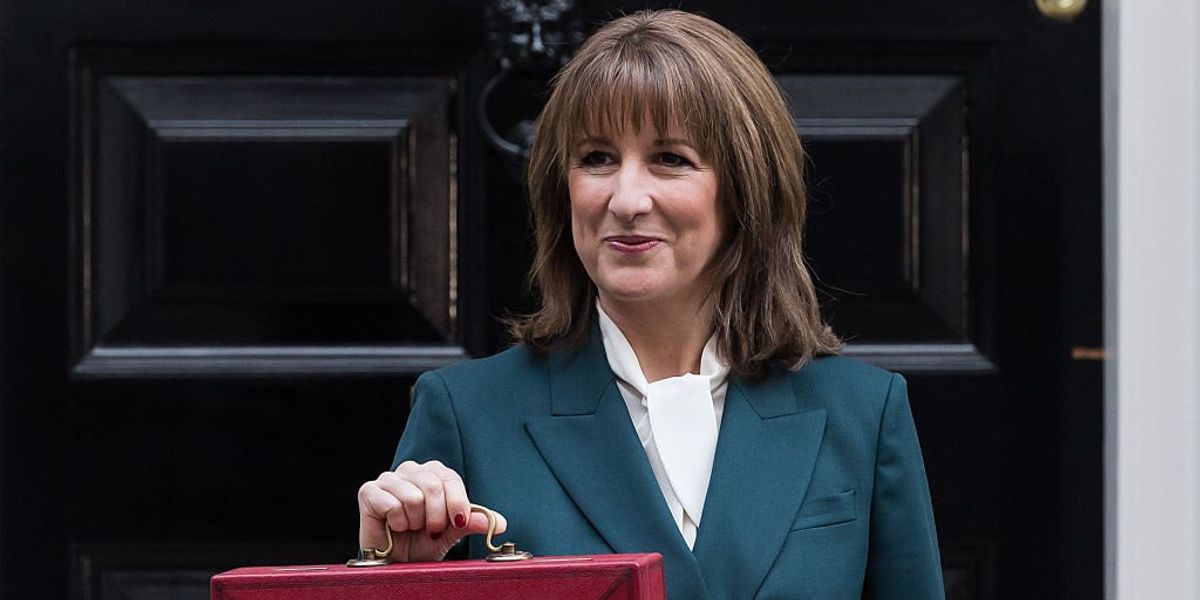
The Chancellor announced the new surcharge in her November Budget, setting out four valuation bands that will sit on top of existing council tax bills.
Homes valued between £2million and £2.5million will face a £2,500 annual charge, rising to £3,500 for properties worth up to £3.5million.
The Chancellor announced the new levy in the November Budget
|
GETTYThe levy will increase to £5,000 for homes valued up to £5million and £7,500 for properties assessed above that level.
Local authorities will collect the surcharge alongside standard council tax, with the additional revenue passed on to central government.
Concerns about the treatment of leasehold properties were raised in Parliament by Conservative MP David Simmonds, who asked whether valuations would reflect actual sale prices or notional assumptions.
Responding on behalf of the Treasury, Dan Tomlinson confirmed the approach would remain unchanged, saying the VOA “values all properties for council tax on the same basis and in line with legislation”.
James Cleverly said the tax was an ‘attack on aspiration’
|
PARLIAMENTLIVE.TVOfficial VOA guidance states that flats are valued on the assumption of a 99-year lease at a nominal ground rent, even where the real lease length is far shorter.
Earlier this month, the VOA also confirmed it would target properties with assumed values of £1.5million or above, well below the formal £2million threshold.
James Cleverly, the shadow housing secretary, criticised the policy and its implementation.
He said: “Just a couple of months after announcing it, the Government is already widening the scope, assigning inflated values to leasehold properties and landing their owners with bumper bills.
“Labour’s family homes tax is an attack on aspiration.”
Campaigners for leaseholders have also warned that the policy could disproportionately affect flat owners who already face high costs to extend their leases.
Harry Scoffin, founder of campaign group Free Leaseholders, said leaseholders were being unfairly penalised.
“Leaseholders keep being hammered under this Labour Government.”
He described the valuation methodology as “a mutant and unfair algorithm” that fails to reflect the true market value of homes with short leases.
Mr Scoffin also pointed to the existing marriage value charge faced by those extending leases below 80 years.
“Now they are being penalised a second time by having to pay tax based on a massive overvaluing of their homes,” he said.
London will feel the tax acutely
|
PAResearch carried out for the Leasehold and Freehold Reform Act found that 11 per cent of flats have leases shorter than 80 years, with London accounting for roughly a third of these cases.
Separate analysis by law firm Lawhive suggests leases with 70 to 80 years remaining reduce property values by between 10 and 20 per cent.
Homes with 50 to 70 years left typically lose around 20 per cent of their value, while properties with fewer than 50 years remaining can fall by more than 30 per cent.
David Fell, managing director at estate agency Hamptons, said the impact would be felt most acutely in London.
“There will be a disproportionate number of shorter-lease homes in the capital. And high property values mean the cost of extending those leases can be particularly challenging for owners who are asset-rich but relatively cash-poor.”