
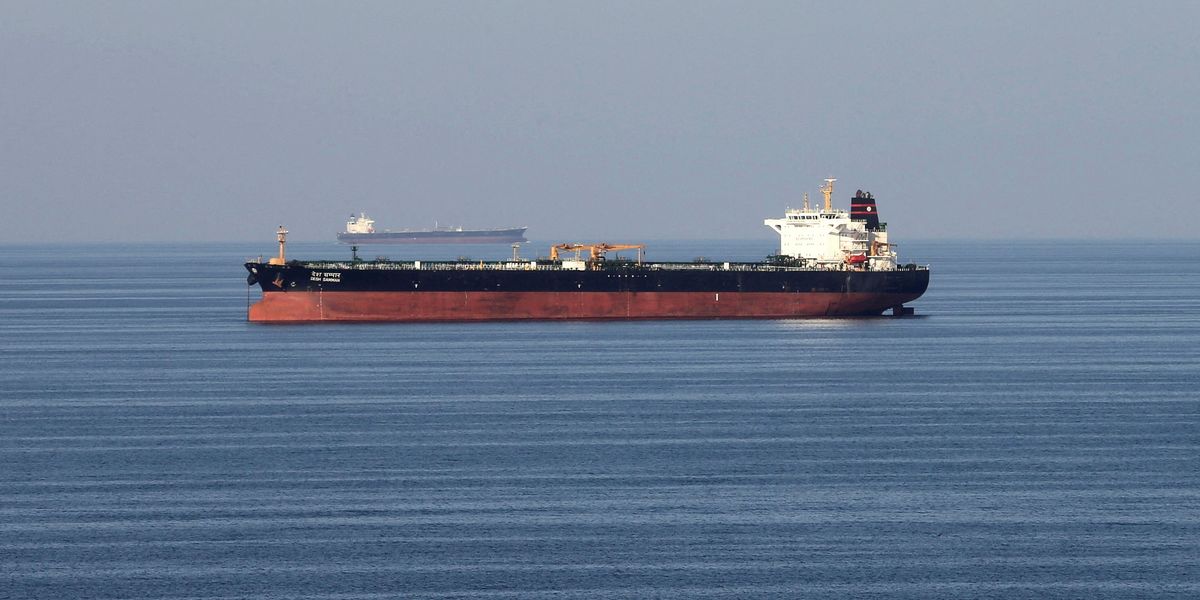
Iran is operating a selective blockade of the Strait of Hormuz, permitting vessels from allied nations to navigate the waterway while barring ships linked to the United States, Israel and European countries, according to maritime tracking data released on March 17.
Tehran shut down the passage following US-Israeli military strikes on Iran on February 28, cutting off access to around one-fifth of global oil and liquefied natural gas supplies.
However, the Islamic Republic has begun granting transit rights to countries it considers friendly.
Maritime intelligence company Windward reported that at least five vessels passed through Iranian territorial waters on March 15 and March 16.
Windward said: “The new route illustrates how Iran’s selective blockade has evolved to allow allies and supporters to transit.”
The ships used an unconventional route through the Larak-Qeshm Channel, located close to the Iranian coastline, according to analysis.
Natasha Kaneva, a commodities analyst at JPMorgan, said: “This is not a standard route for vessels and could reflect a process designed to confirm vessel ownership and cargo, enabling passage for ships that are not affiliated to the US or its allies.”
The vessels included several bulk carriers and one oil tanker.
Britain’s ships remain blocked
|
REUTERSTracking platform MarineTraffic showed one vessel, the Pakistani-flagged Karachi, made the crossing with its automatic transponder system switched on.
Most ships typically disable their tracking signals in such situations to reduce risk.
Two Indian-flagged tankers carrying liquefied petroleum gas also successfully navigated the strait over the weekend.
The vessels, Shivalik and Nanda Devi, transported around 92,700 metric tonnes of LPG and reached Gujarat state after negotiations between officials.
The Strait of Hormuz is one of the most important shipping routes in the world, especially for oil exports | GETTY
The Nanda Devi arrived at Vadinar Port in Jamnagar district on March 17.
Turkey has also secured passage for its vessels.
Transport minister Abdulkadir Uraloglu said: “A Turkish-owned ship has crossed the strait with Iranian authorisation.”
Most crude oil transiting the route is destined for Asian markets, with China the primary recipient.
China has been in discussions with Tehran to secure safe passage for crude oil and Qatari liquefied natural gas shipments, according to diplomatic sources.
China has expressed concern over the blockade
|
GETTYBeijing, which receives around 45 per cent of its oil supplies via the strait, has expressed concern over disruption to shipping.
The conflict has driven crude oil prices up by more than 15 per cent.
Iranian missile strikes have targeted energy infrastructure across the Gulf region and reached locations including Cyprus, Azerbaijan and Turkey.
Tanker movements dropped sharply at the onset of the conflict, falling to just four vessels on March 1 compared with a daily average of 24 beforehand.
Around 300 oil tankers remain stranded within the strait, according to vessel tracking firms.