
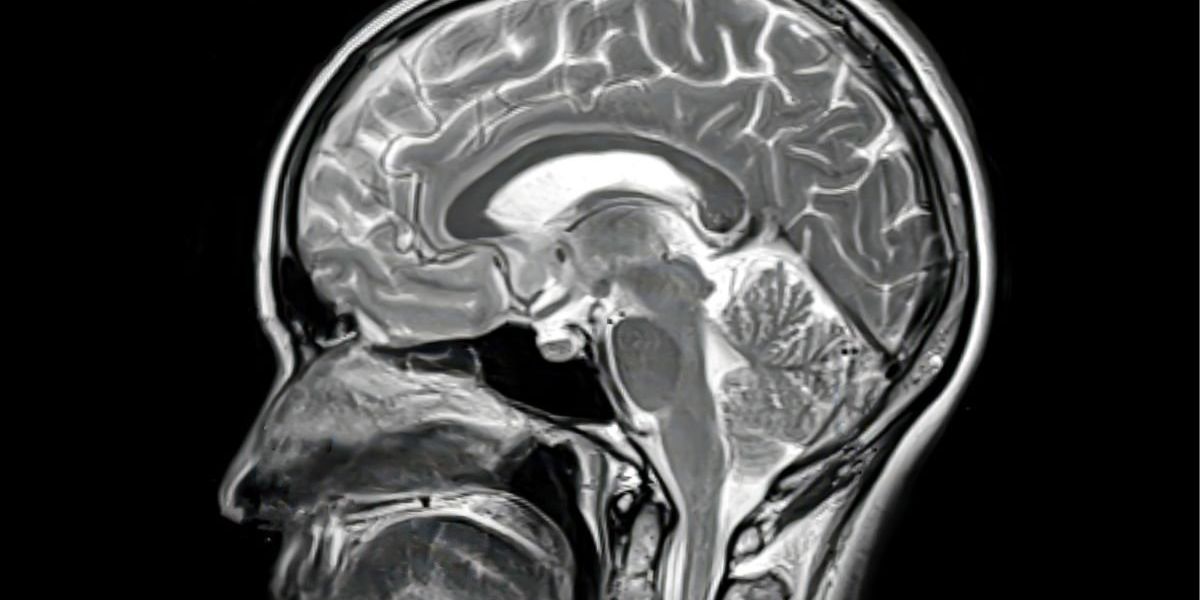
A simple blood test could identify women at risk of developing dementia up to a quarter of a century before any symptoms emerge, a groundbreaking study has revealed.
Scientists discovered that elevated concentrations of a protein known as p-tau217, which is associated with the neurological changes observed in Alzheimer’s patients, served as a reliable indicator of future cognitive decline.
The research offers particular significance given that women face double the likelihood of developing dementia compared to men, though the reasons behind this disparity remain unclear to medical experts.
The findings, published in JAMA Network Open, suggest that warning indicators could be spotted decades in advance, potentially revolutionising how clinicians approach early intervention and monitoring.
Women face double the likelihood of developing dementia compared to men
|
GETTY
Investigators at the University of California, San Diego conducted their analysis using data from the Women’s Health Initiative Memory Study, an extensive research programme that recruited participants between the ages of 65 and 79 during the late 1990s.
The cohort comprised 2,766 women, none of whom displayed any signs of cognitive impairment when the study started.
Researchers collected blood samples at the outset of the trial and subsequently at later intervals to assess p-tau217 levels.
Participants were monitored for up to 25 years, during which time scientists recorded instances of memory difficulties, thinking problems, and dementia diagnoses.
The results demonstrated a clear correlation; women with higher initial concentrations of the biomarker faced substantially greater odds of developing dementia in subsequent years, with risk increasing alongside rising p-tau217 levels.
The study’s lead author, Dr Aladdin Shadyab, expressed optimism about the implications: “Our study suggests we may be able to identify women at elevated risk for dementia decades before symptoms emerge.”
He continued: “That kind of long lead time opens the door to earlier prevention strategies and more targeted monitoring, rather than waiting until memory problems are already affecting daily life.”
The ultimate ambition, Dr Shadyab noted, extends beyond mere prediction to “using that knowledge to delay or prevent dementia altogether.”
Dr Sheona Scales, director of research at Alzheimer’s Research UK, highlighted the broader context: “Women are twice as likely to be affected by dementia, but we do not understand why there is this difference.”
She described the findings as contributing to expanding research into whether blood-based biomarkers might identify those at heightened risk decades ahead of symptom onset.
Professor Masud Husain, a neurologist at the University of Oxford, praised the research as “an impressive study that uniquely has been able to analyse blood samples from women followed up for up to 25 years.”
Elevated levels of tau protein in the brain could signal a higher risk of brain decline
|
GETTY
He stated: “The findings show that the level of p-tau 217 in the blood provides an index of the risk of developing dementia in the future.”
Michelle Dyson, chief executive of the Alzheimer’s Society, suggested that such testing “could transform how dementia is diagnosed,” noting that her organisation is funding efforts to make blood tests routinely available through the NHS for symptomatic Alzheimer’s disease within the coming years.
However, independent specialists cautioned that not everyone displaying elevated p-tau217 levels will necessarily progress to dementia, emphasising that additional research remains essential.