
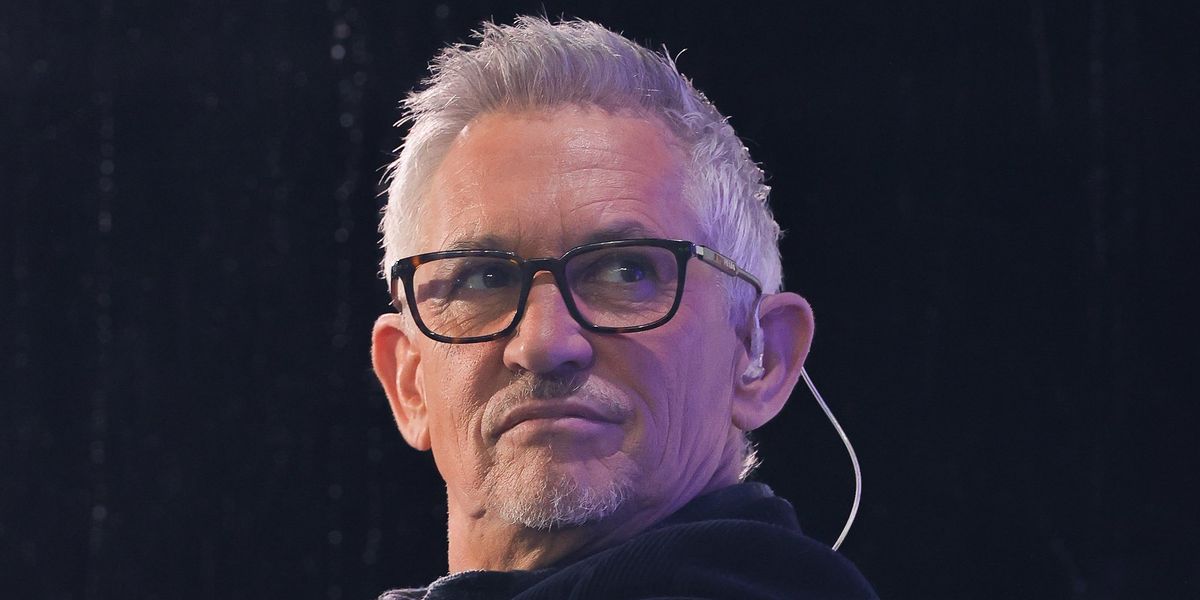
Gary Lineker has opened up about his departure from the BBC more than twelve months on, disclosing that his only regret centres on overlooking a rat emoji in the Instagram post that triggered the controversy.
The former England striker shared a video concerning Zionism that contained the rodent image, historically associated with antisemitic Nazi propaganda targeting Jewish people.
“You’ve got to have your own morals,” the 65-year-old stated.
“It was like a marriage. It petered out. The only regret I have is missing the [rat] emoji. Nothing else.”
Gary Lineker opened up on his exit at the BBC after posting a video on social media containing anti-Semitic tropes
|
GETTY
He maintained that the oversight was unintentional, adding: “I don’t think anyone thinks it was deliberate, but I apologised because it was a mistake. I didn’t see it. I’m not that stupid.”
The antisemitism row that erupted following the post prompted Lineker to step back from his BBC commitments.
He had been set to present the corporation’s live FA Cup coverage and this summer’s World Cup before his exit was brought forward.
“I apologised immediately and then I apologised again,” he explained, emphasising that he would never deliberately share content offensive to any particular group.
Speaking to Radio Times, the presenter likened his three-decade association with the broadcaster to a relationship that had run its course. The incident ultimately hastened what he suggests was already an inevitable parting of ways between himself and the corporation.
Lineker is now gearing up to front a daily World Cup programme on Netflix, embracing the liberty that comes with working for commercial broadcasters.
“I love the BBC, I always will,” he remarked. “I have a huge amount of respect for it. It turns out some incredible television and I think we did in sport.”
However, the presenter made clear he has no desire to return, stating: “But I’m enjoying life without having to tread on eggshells and everything’s going really well. So no, I don’t miss it at all.”
The freedom to express opinions on any subject represents the greatest advantage of his new career path, he noted.
The presenter revealed that BBC guidelines shifted during his tenure, creating an increasingly challenging environment.
“It was always fine for anyone outside of news and current affairs to have an opinion on other things in the world and then suddenly it wasn’t,” he told Radio Times.
He accused the corporation of altering its approach, saying: “They moved the goalposts, changed the guidelines and it became tricky because I’ve always cared about humanitarian issues, I don’t think they’re ever really political ones.”
Ultimately, the restrictions proved untenable. “Suddenly, they didn’t want you doing this or that, and [my departure] became inevitable because I have to live with myself,” Lineker concluded.