
British BulletinBritish Bulletin
  • Home
  • News
  • Politics
  • Business
  • Entertainment
  • Lifestyle
  • Health
  • Sports
  • Tech & Science
  • Travel
  • Spotlight
  • More
    • Press Release
What's On

Ben Stokes: England captain’s return delayed by recovery from cheek injury

28 March 2026

KPMG to cut almost 600 UK jobs as partners take home £880,000

28 March 2026

Scotland v Japan: What is Steve Clarke’s first-choice defensive pairing?

28 March 2026

Female Royal Navy pilot who failed training sues MoD for sex discrimination and blames ‘gatekeeping’ male instructor

28 March 2026

Itauma vs Franklin: British heavyweight reflects on pro career & upcoming bout

28 March 2026
Facebook X (Twitter) Instagram
Web Stories
Facebook X (Twitter) Instagram
British Bulletin
Subscribe
  • Home
  • News
  • Politics
  • Business
  • Entertainment
  • Lifestyle
  • Health
  • Sports
  • Tech & Science
  • Travel
  • Spotlight
  • More
    • Press Release
British BulletinBritish Bulletin
Home » Electric car drivers can charge vehicles for less than £10 a month despite Ofgem’s energy price cap hike
Lifestyle

Electric car drivers can charge vehicles for less than £10 a month despite Ofgem’s energy price cap hike

By britishbulletin.com1 October 20253 Mins Read
Electric car drivers can charge vehicles for less than £10 a month despite Ofgem’s energy price cap hike
Share
Facebook Twitter LinkedIn Pinterest Email

Drivers are being urged to ensure they are making savings when charging their electric vehicles as the nation’s energy regulator hikes prices.

From today, Wednesday, October 1, Ofgem will raise the cost of the energy price cap, which will remain in place until December 31, 2025.

For the next three months, the energy price cap will be set at £1,755 per year for a typical household that pays for electricity and gas by Direct Debit.

Despite the ongoing pressure of the cost of living crisis, the energy price cap has seen a two per cent hike since the cap was set between July 1 and September 30.

While drivers can make major savings on their electric vehicles when charging at home, compared to in public, they could still face high costs.

Experts are calling on EV owners to ensure they have switched to a smart tariff to reduce their running costs.

Data from Ohme shows that the new Standard Variable Tariff for electricity will rise to 26.35p per kilowatt hour, meaning drivers could spend more than £440 over the course of a year.

Although this is still less than half of the cost of running a petrol car, drivers can make further savings.

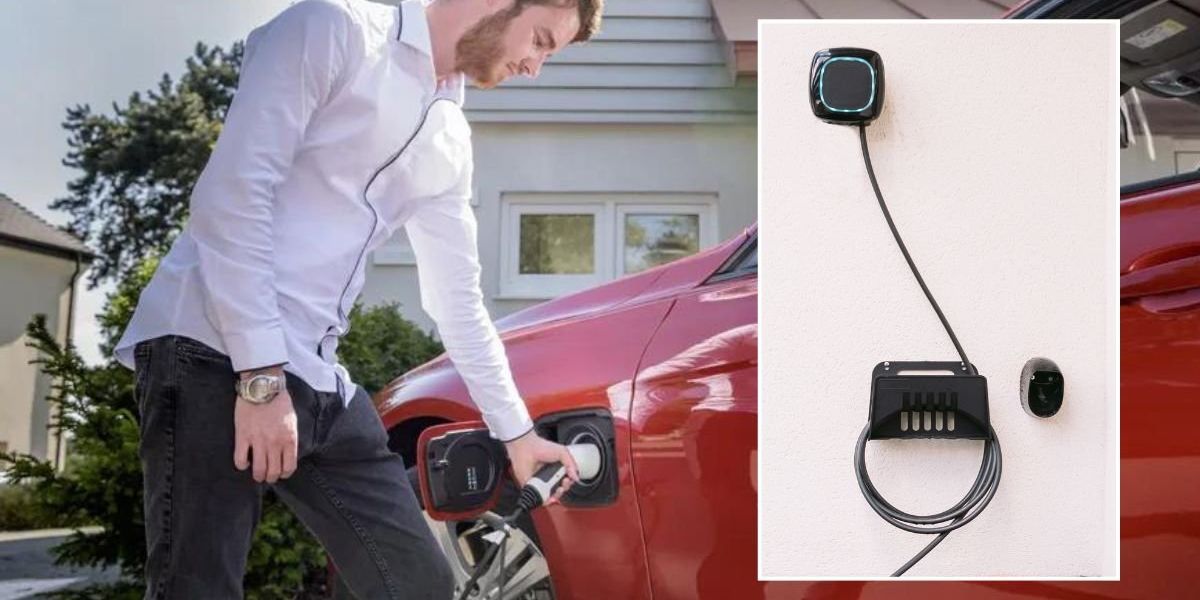
Drivers could charge their cars for as little as £10 a month with a smart EV-friendly tariff

|

GETTY

EV-friendly tariffs, such as the Intelligent Octopus Go option, slash charging costs compared to other off-peak and smart energy tariffs.

The Octopus tariff has rates as low as seven pence per kilowatt hour, meaning the cost to charge an electric car could be less than £10 a month.

David Watson, CEO of Ohme, said: “Any EV driver charging at home should look at switching to one of the wide range of smart electricity tariffs to help them reduce their everyday running cost.

“Charging at home is still the most affordable place for EV drivers to charge their cars even with this latest rise and changing to a smart tariff will enable them to maximise those savings still further.”

Ohme is the official charger provider for Mercedes-Benz, Volvo Cars, Volkswagen Group, Hyundai, Smart, Suzuki and Xpeng in the UK.

Charging an Audi A6 Avant e-tron with a 75.8kWh battery from empty with an Ohme charger on a dynamic tariff could cost just £5.31.

In comparison, drivers would have to pay almost £20 to fully charge the 361-mile battery with the new Standard Variable Tariff.

This could act as a crucial lifeline for motorists who have the ability to make significant savings without making major changes.

Drivers could save hundreds of pounds a year by charging their electric cars at home | OHME

Calls for drivers to act come as experts demand the Government slashes the VAT rate on public EV chargers to make charging fair for all motorists.

At present, drivers pay a 20 per cent VAT rate when visiting public chargers, while home chargers attract a VAT rate of just five per cent.

Chancellor Rachel Reeves has been urged to slash the VAT rates, as millions of drivers could avoid switching to an EV since they need to rely on the public charging network.

There are more than 85,000 chargers across over 120,000 locations, with experts optimistic that the UK will hit an original target of 300,000 chargers by the end of the decade.

Share. Facebook Twitter Pinterest LinkedIn Tumblr Email

Keep Reading

Motorhome and campervan bans risk driving tourists out of Britain, campaigners warn

Britons could face lower speed limits and be forced to take summer staycations instead of flying abroad

‘I’m a sleep expert – eat more of these cortisol-lowering foods to improve your rest’

Major car brand axes ANOTHER electric vehicle weeks after scrapping entire EV project

Motorists to see transport of ‘abnormal load’ on major motorway as drivers risk 12mph speed limits

Volkswagen announces recall of electric cars amid fears overheating battery could cause fire

Weight loss hack of returning to the same foods could help shed extra pounds

Petrol prices soar above £1.50 a litre in ‘unwelcome milestone’ as fuel stations charge £2.17 for diesel

Motorists face new driving law changes banning road habits under new plans

Editors Picks

KPMG to cut almost 600 UK jobs as partners take home £880,000

28 March 2026

Scotland v Japan: What is Steve Clarke’s first-choice defensive pairing?

28 March 2026

Female Royal Navy pilot who failed training sues MoD for sex discrimination and blames ‘gatekeeping’ male instructor

28 March 2026

Itauma vs Franklin: British heavyweight reflects on pro career & upcoming bout

28 March 2026

Subscribe to News

Get the latest Brittan News and Updates directly to your inbox.

Latest News

Prince William gives ‘renewed glimmer of hope’ following commitment to Christianity

28 March 2026

Motorhome and campervan bans risk driving tourists out of Britain, campaigners warn

28 March 2026

URC: Sharks 21-15 Cardiff – Taulupe Faletau injured as Welsh side lose in Durban

28 March 2026
Facebook X (Twitter) Pinterest TikTok Instagram
© 2026 British Bulletin. All Rights Reserved.
  • Privacy Policy
  • Terms
  • Advertise
  • Contact

Type above and press Enter to search. Press Esc to cancel.