
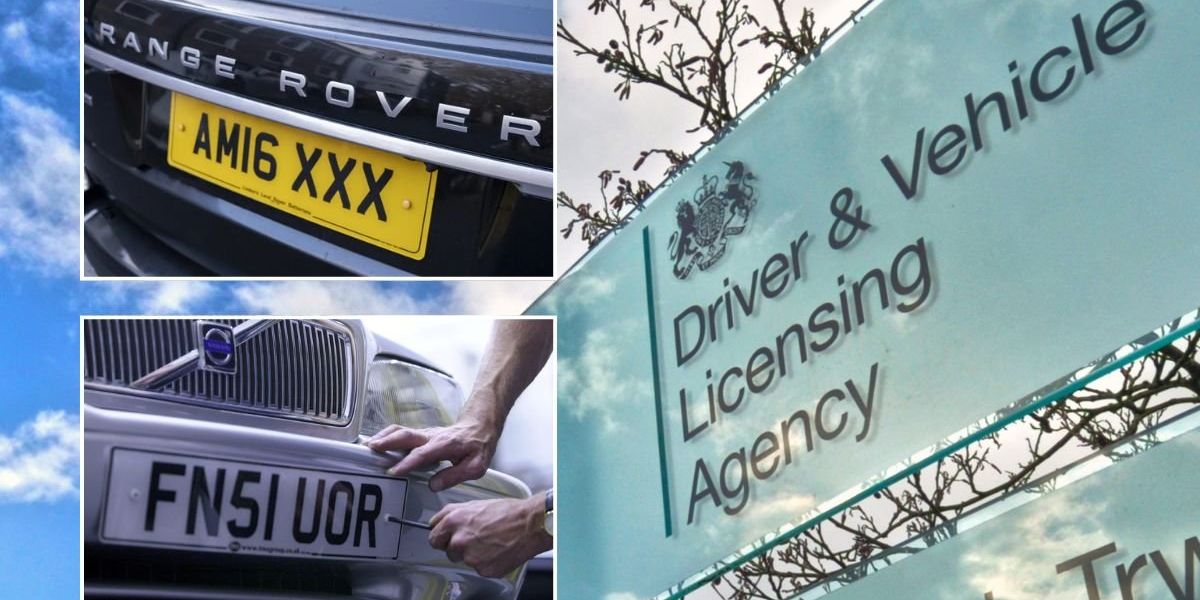
The DVLA are expected to ban hundreds of number plates ahead of new plates being introduced within days amid concerns they could cause offence.
From Tuesday, September 1, 2026, new “76” number plates will be rolled out for the latest models to hit dealerships and forecourts across the UK.
This is the second registration plate update of 2026 following the introduction of the “26” plate in March earlier this year.
The new “76” number plate will be seen on all new cars registered between September 1, 2026, and February 28, 2027.
Prior to the release of new plates, the Driver and Vehicle Licensing Agency (DVLA) typically releases thousands of potential combinations.
However, at this point, they will remove any plate combinations that could be offensive, discriminatory, inappropriate or controversial.
This could include swear words, discriminatory or hateful language, and references to criminal activity or violence.
In recent years, the DVLA has been forced to remove number plates that could be related to ongoing conflicts or terrorist organisations.
The DVLA routinely bans number plates that could be seen as offensive or discriminatory
|
DVLA/PABanned plates from previous years include TE26 ROR and GO26 WAR, while JE26 HAD was blocked due to its similarity to the word “Jihad”.
Other blocked plates have related to the ongoing war between Russia and Ukraine, as well as the conflict between Israel and Palestine.
Ben Raffell, car expert at BigWantsYourCar.com, said: “Most motorists only notice the new registration when they start seeing brand-new cars on the road, but there’s a huge amount of work that happens behind the scenes before those plates are ever issued.
“Ahead of every new registration release, the DVLA carefully reviews thousands of possible combinations to identify anything that could reasonably be considered offensive, inappropriate or likely to cause offence.
Number plates are refreshed twice a year – once in March and once in September | GETTY
“It’s a process that’s been in place for many years and helps ensure registrations remain suitable for public display.”
Number plates are formed of three distinct parts, namely two letters, two numbers and three letters.
The first two letters indicate where the vehicle was first registered, such as B for Birmingham, C for Wales, L for London and V for the Severn Valley.
This is followed by two numbers outlining when it was first registered, while the final three letters are chosen at random.
Drivers can buy personalised number plates from the DVLA, which often hosts auctions
|
PADrivers are still able to buy personalised number plates which contain a variation of numbers and letters, although these will also be vetted beforehand.
Some personalised plates can sell for tens of thousands of pounds as drivers look to get their hands on unique identifiers.
The last auction, which took place in July, saw “97 O” sell for a staggering £90,010, despite having a starting bid of just £2,500.