
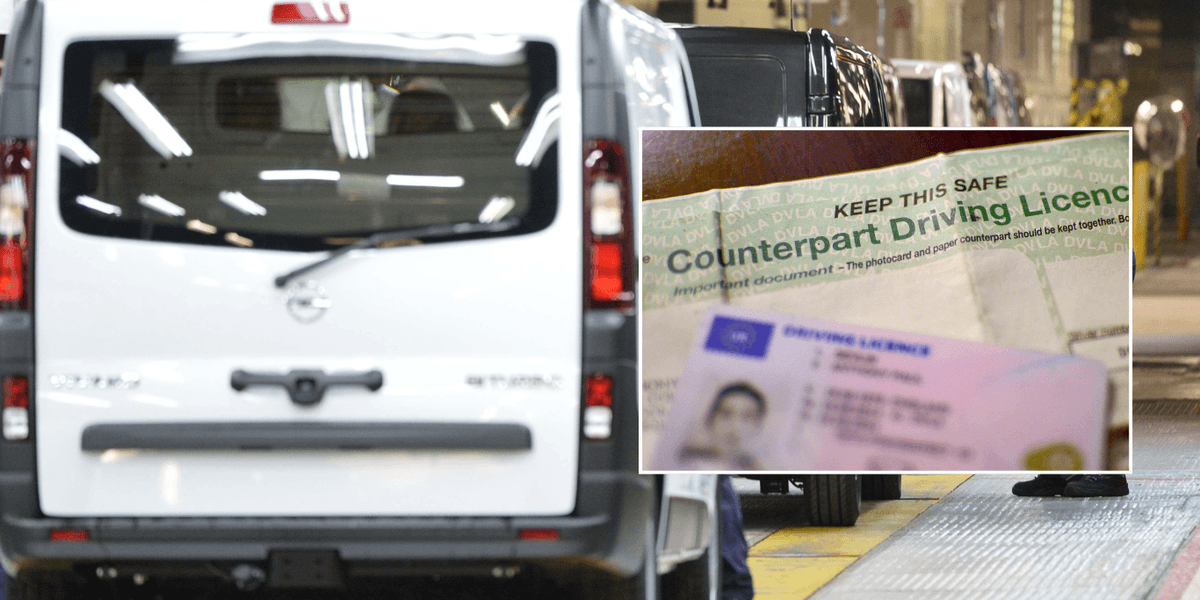
A major change to driving licence rules in Northern Ireland could soon make it easier for motorists to use electric vans as part of net zero goals.
The Department for Infrastructure has launched a consultation to look at whether drivers with a standard licence should be allowed to drive heavier electric vehicles.
The move is aimed at boosting the switch to cleaner transport across the region and forms part of the Zero Emission Vehicle mandate, which requires all new petrol and diesel sales to be electric by 2035, with at least 24 per cent of the vans electric by this year.
The proposals aim to relax current licence rules, which state that anyone with a category B licence, the standard licence held by most drivers, can only drive vehicles up to 3,500kg.
Electric vans are often heavier than petrol or diesel models because of their batteries, which means many of them exceed the limit, even though they are similar in size and function.
A spokesperson for the Department for Infrastructure said: “Road safety remains central to all transport policy decisions, but we recognise that existing regulations may inadvertently hinder the transition to cleaner vehicles.”
Under the new proposals, drivers with a category B licence could be allowed to drive electric vans weighing up to 4,250kg, giving an extra 750kg allowance to account for the weight of batteries.
The DfI said this change could help businesses and public services switch to electric vehicles more easily in the future.
The changes impact standard category B licence holders of electric vans | PA
Currently, drivers who want to operate heavier electric vans must upgrade to a category C or C1 licence, although this can be costly and time-consuming.
It also comes with extra requirements, such as medical checks and professional training for those using the vehicles commercially.
The consultation also looked at going further in certain cases, with one option that would allow drivers to use electric vehicles weighing up to 5,000kg if the extra weight comes from specialist equipment, such as accessibility features for disabled passengers.
Another key question asked in the consultation was whether drivers should need at least two years‘ experience before being allowed to drive these heavier vehicles.
Under current plans, drivers who want to operate heavier electric vans must have a category C or C1 licence
|
PEUGEOTOfficials are also asking what types of vehicles should be included, and whether the changes should only apply to vans used for transporting goods.
Changes to driving licence laws across the UK mean category B licence holders can drive zero emission vans up to 4,250kg.
The Republic of Ireland has also introduced comparable measures, although with stricter conditions. Drivers there must have held their licence for at least two years and cannot tow trailers.
The Department for Infrastructure said the shorter consultation period is due to time pressure, with the legal powers needed to make these changes set to expire in June.
The driving licence changes hope to encourage the uptake of electric vans
|
PAA spokesperson added: “We are keen to hear from as many stakeholders as possible within the available timeframe.”
As well as weight limits, the consultation asks for views on whether towing should be allowed and if extra training should be required.
Research from the University of Leeds has suggested that heavier electric vehicles are not significantly more dangerous to pedestrians than traditional cars.
The findings indicate that increased weight alone does not lead to worse outcomes for vulnerable road users.