
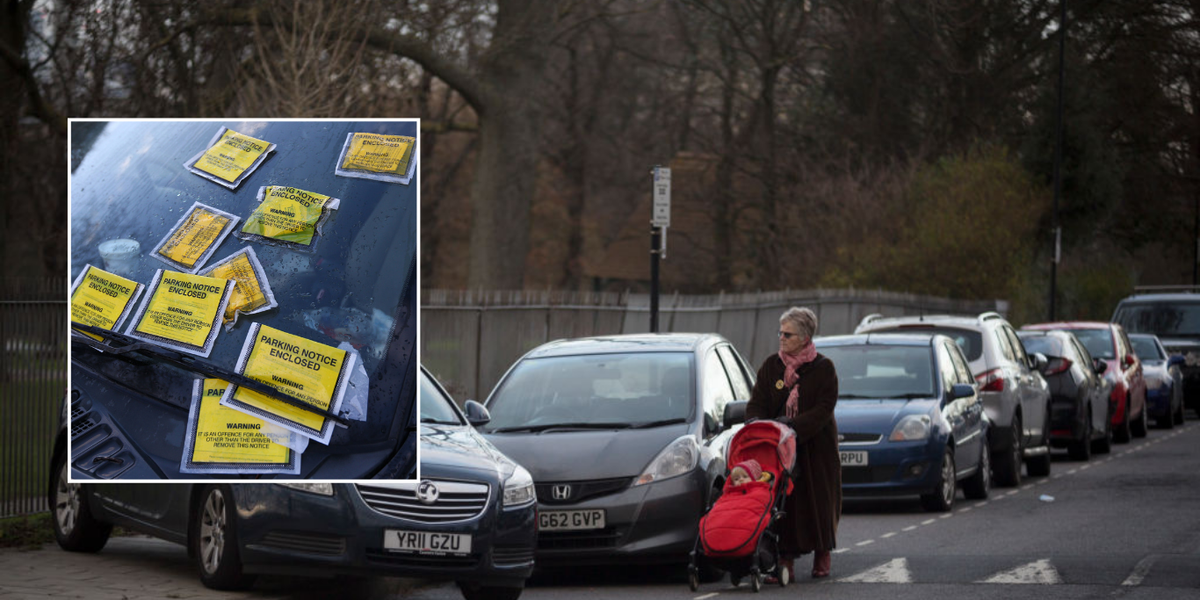
Millions of motorists have been warned they could be slapped with fines this year after the Government announced new powers allowing councils to crack down on pavement parking.
The new rules form part of the highly anticipated Road Safety Strategy and have sparked strong reactions from charities, councils and motoring groups.
The Department for Transport confirmed local authorities will be given sweeping new legal powers to penalise motorists who leave vehicles on pavements.
Councils will be able to introduce wider bans across entire areas, rather than going through lengthy street-by-street approval processes.
The changes have been welcomed by disability charities and local leaders, but have raised concerns among motoring groups who warn the rules must be applied with common sense.
Councillor Tom Hunt, Chair of the Local Government Association Inclusive Growth Committee, said: “Pavement parking is one of the most complained about issues by residents.
“It can cause a lot of disruption and block access, particularly to those with mobility issues or parents who are pushing their children in buggies.”
However, he cautioned that councils would need proper funding to enforce the new rules at a time when budgets are already under pressure.
The new Road Safety Strategy has tightened rules for driving across the UK
|
GETTY/PA
Meanwhile, Olly Glover MP for Didcot and Wantage welcomed the pavement parking rules but hoped the Government would not repeat the time length taken to undertake a pavement parking consultation of five years for future driving changes.
“Consultations need to be meaningful, but they also need to be time-bound and then translated into action,” the Liberal Democrat MP said.
Drivers can be fined as much as £100 for pavement parking in regions where councils have already introduced the measures.
Catherine Woodhead, chief executive of Living Streets, said: “These new powers allow for some quick progress after years of inaction and stop many people putting their lives in danger just to get around.
“It’s disappointing not to see a nationwide prohibition, instead handing the power to local leaders to ban pavement parking. This will result in inconsistency for communities and drivers, which increases risks for everyone using our streets.”
Drivers can be fined £100 for pavement parking in London and Scotland
|
GETTYWhile welcoming the new powers for councils, Ms Woodhead warned that the new powers “do not go far enough to protect pedestrians“.
“Disabled people, parents with buggies and older residents shouldn’t have to depend on individual local authorities’ appetite and capacity to enforce,” she added.
The RAC said most drivers agree pavements should be kept clear, but warned against overly rigid enforcement.
Rod Dennis, the RAC’s Senior Policy Officer, said: “Our research shows a clear majority of drivers agree that no pavement user should be made to walk or wheel into the road because of someone else’s inconsiderate parking.”
The RAC said narrow residential streets often leave drivers with limited options and urged councils to take a flexible approach.
Pavement parking has long been criticised for forcing pedestrians into the road, putting them at risk from traffic. Wheelchair users, elderly residents and parents with buggies are among those most affected.
There are also concerns about damage to the pavements themselves. Cars mounting kerbs can crack paving slabs, creating trip hazards and leaving councils with expensive repair bills.
The Department for Transport said the changes follow a public consultation and are part of a wider push to improve accessibility on streets.
Detailed guidance on how councils should introduce and enforce the new powers is expected later this year.