
British BulletinBritish Bulletin
  • Home
  • News
  • Politics
  • Business
  • Entertainment
  • Lifestyle
  • Health
  • Sports
  • Tech & Science
  • Travel
  • Spotlight
  • More
    • Press Release
What's On

Archbishop of Canterbury to be enthroned today in 1,400-year first for Christianity in England

25 March 2026

London ambulance attack: Wes Streeting declares that removing ‘antisemitic poison’ from Britain requires ‘political leadership’

25 March 2026

Inflation held at 3% prior to Iran conflict as Bank of England warns of fresh surge

25 March 2026

Report finds cash-strapped Cheshire Council lost £100m | Manchester News

25 March 2026

Italy v Northern Ireland: ‘We can match anyone at our best’ – Galbraith

25 March 2026
Facebook X (Twitter) Instagram
Web Stories
Facebook X (Twitter) Instagram
British Bulletin
Subscribe
  • Home
  • News
  • Politics
  • Business
  • Entertainment
  • Lifestyle
  • Health
  • Sports
  • Tech & Science
  • Travel
  • Spotlight
  • More
    • Press Release
British BulletinBritish Bulletin
Home » Contactless card £100 payment cap axed in major rule change
Business

Contactless card £100 payment cap axed in major rule change

By britishbulletin.com19 March 20263 Mins Read
Contactless card £100 payment cap axed in major rule change
Share
Facebook Twitter LinkedIn Pinterest Email

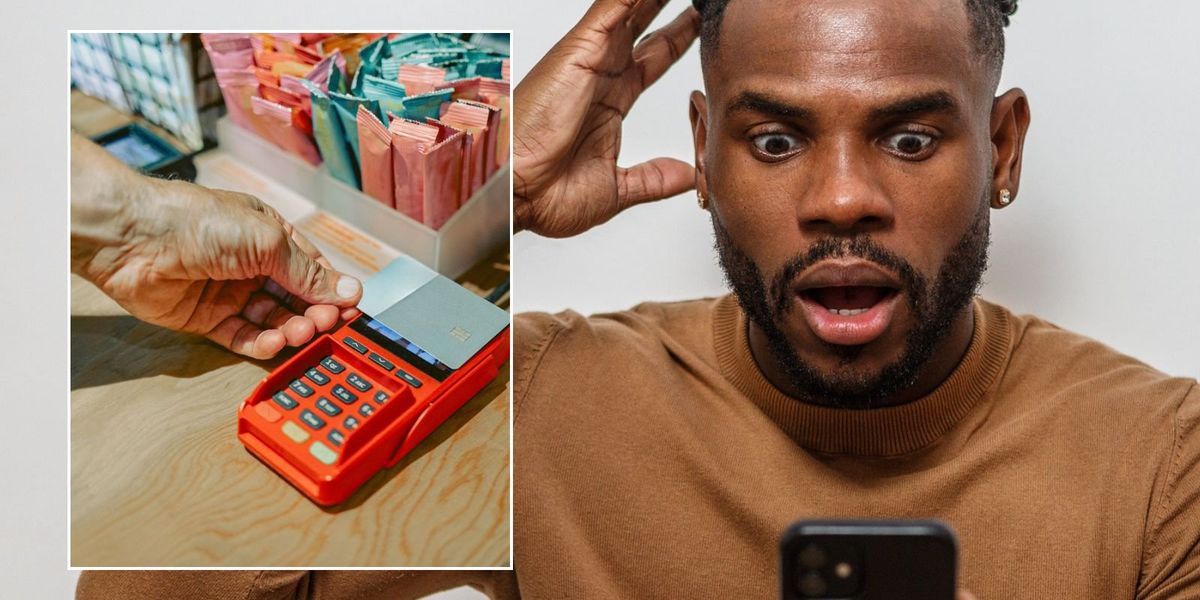
Contactless card payment rules have changed from today, with the £100 cap on transactions now abolished.

Banks and payment providers across the United Kingdom gained the ability to set their own limits, following regulatory changes confirmed by the Financial Conduct Authority (FCA) in December.


The new rules permit firms with robust fraud controls to move beyond the existing £100 ceiling, though Britain’s leading banks have indicated they will retain the current cap for the time being.

NatWest, Santander, Lloyds, Barclays, HSBC, Nationwide, TSB, Starling, Monzo and Revolut have all confirmed they are not immediately raising their limits, with several stating they will keep the situation under review.

Contactless card £100 payment cap AXED in major rule change – what doe it mean for you?

|

GETTY

The FCA introduced the flexibility to help firms respond to evolving consumer demands, inflation, and technological developments. Any institutions choosing to adjust their limits must clearly communicate changes to customers.

Mobile wallets such as Apple Pay and Google Pay have long permitted higher-value contactless transactions, meaning the significant shift applies primarily to physical card usage.

Chris Jones, the managing director at PSE Consulting, said: “For consumers, this is really about choice and convenience. Banks will now be able to decide what contactless limits make sense for their customers, rather than everyone being tied to a single national cap.”

He noted that typical spending patterns are unlikely to change dramatically, pointing out that the average contactless transaction in the UK remains approximately £16, with billions of tap payments occurring annually.

How will you bank be impacted by the rule change?

| GETTY /PA

Mr Jones acknowledged that if a physical card ends up in criminal hands, elevated limits could result in greater losses before the card is cancelled.

However, he cited that card issuers maintain comprehensive fraud detection tools capable of identifying unusual behaviour patterns.

Crucially, existing consumer protections will continue to apply under the new framework. Customers must still be reimbursed in cases of unauthorised fraud, such as when a card is lost or stolen.

Azimkhon Askarov, the co-CEO and partner at payment platform CONCRYT, warned that elevated transaction values would inevitably draw the attention of fraudsters.

The changes come following new regulations from the FCA

| PA

Mr Askarov said: “Globally, we’ve seen those higher contactless limits correlate with increased fraud attempts, particularly in regions like Europe and North America.”

He emphasised that banks, retailers and payment providers must counterbalance this shift with sophisticated safeguards, including advanced fraud detection systems, real-time monitoring of transactions and behavioural analytics to identify suspicious activity.

Current fraud levels associated with contactless payments remain relatively modest, with approximately 1.3 pence lost for every £100 spent through tap-to-pay methods.

Share. Facebook Twitter Pinterest LinkedIn Tumblr Email

Keep Reading

Inflation held at 3% prior to Iran conflict as Bank of England warns of fresh surge

National Savings could be forced to pay out hundreds of millions after ‘short-changing premium bonds savers’

Major banking rule change coming next month as 453,230 accounts shut in just one year

State pension warning as millions of retirees could be caught out after rule change

Rachel Reeves: The fate of the Chancellor’s support package will be decided far from 11 Downing Street

Octopus Energy offers ‘zero energy bills for 10 years’ as Iran conflict drives prices higher

Mike Lynch estate faces bankruptcy after £920million hit in HP fraud ruling

You have DAYS left to shop thousands of Kindle books for 99p

Pensioners could be up to £900 better off each year as US-Iran war rattles markets

Editors Picks

London ambulance attack: Wes Streeting declares that removing ‘antisemitic poison’ from Britain requires ‘political leadership’

25 March 2026

Inflation held at 3% prior to Iran conflict as Bank of England warns of fresh surge

25 March 2026

Report finds cash-strapped Cheshire Council lost £100m | Manchester News

25 March 2026

Italy v Northern Ireland: ‘We can match anyone at our best’ – Galbraith

25 March 2026

Subscribe to News

Get the latest Brittan News and Updates directly to your inbox.

Latest News

Schoolchildren as young as seven ‘coerced into Islamic prayer at Church of England primary’

25 March 2026

Keir Starmer warned of leading Britain down a ‘very dangerous path’ if he ‘fails to protect Jews’

25 March 2026

‘Best defeat of my life’ – Bosnia-Herzegovina and the Welsh hero you’ve never heard of

25 March 2026
Facebook X (Twitter) Pinterest TikTok Instagram
© 2026 British Bulletin. All Rights Reserved.
  • Privacy Policy
  • Terms
  • Advertise
  • Contact

Type above and press Enter to search. Press Esc to cancel.