
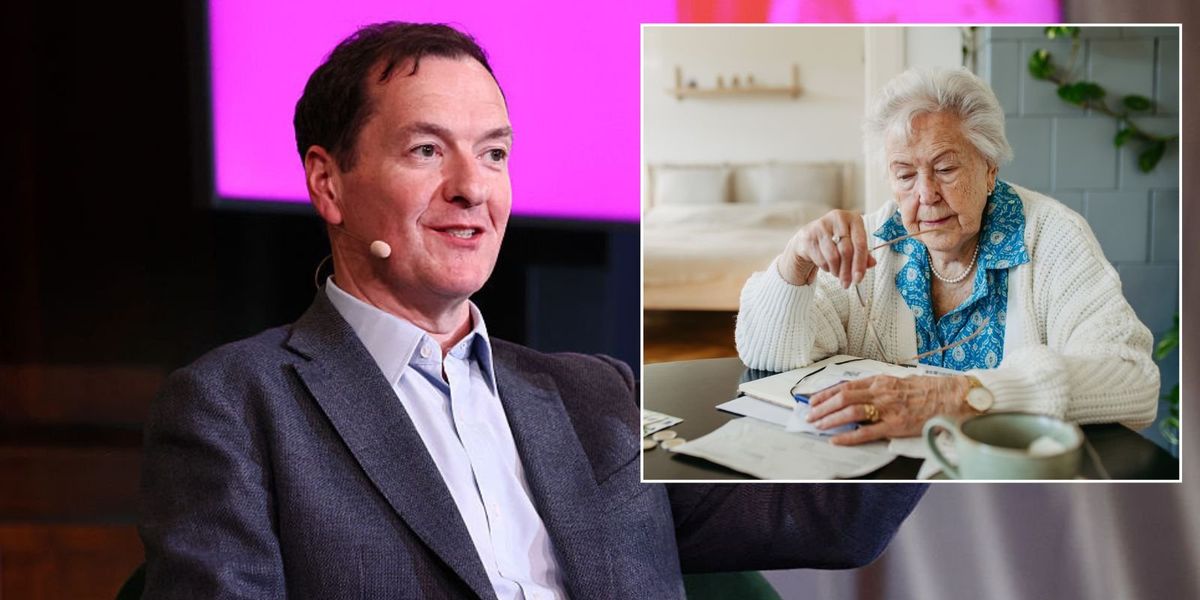
Yorkshire Building Society has issued a warning to savers as Britons have lost £28billion to a savings tax raid over the last decade, thanks to Government policy.
Monday marks 10 years since George Osborne introduced the personal savings allowance, a policy designed to allow savers to earn interest on their money without paying tax up to a set limit.
The allowance was introduced in 2016 during the Conservative Government led by David Cameron with the aim of protecting everyday savers from paying tax on modest interest earnings.
However, new analysis suggests the policy has resulted in billions of pounds in tax payments as interest rates have risen while the allowance limits have remained unchanged.
Research from Yorkshire Building Society indicates that by the end of the 2025/26 tax year savers will have paid around £28billion in tax on interest since the allowance was introduced.
Basic rate taxpayers account for £4.7billion of that total according to the building society’s analysis. Yorkshire Building Society, the UK’s third largest mutual lender, is now calling on the Government to review the rules governing the allowance.
When the Personal Savings Allowance was introduced in 2016 the Bank of England base rate stood at 0.50 per cent.
At that time a basic rate taxpayer would have needed around £100,000 in savings to earn enough interest to exceed the £1,000 tax-free allowance. Interest rates have since increased significantly compared with the levels seen a decade ago.
Savers will have paid around £28billion in tax on interest since the allowance was introduced
|
GETTY
The Bank of England base rate currently stands at 3.75 per cent. With many savings accounts offering rates of around three per cent, the amount of savings required to exceed the tax-free limit has fallen substantially.
Yorkshire Building Society estimates that a basic rate taxpayer could now exceed the £1,000 allowance with savings of around £33,000. For higher-rate taxpayers, the threshold is even lower.
The Personal Savings Allowance for higher rate taxpayers is £500. At current savings rates that level could be reached with savings of roughly £16,000.
While interest rates have risen, the tax-free allowance has remained unchanged since its introduction.
Yorkshire Building Society is now calling on the Government to review the rules governing the allowance
|
YORKSHIRE BUILDING SOCIETYThe allowance is currently set at £1,000 for basic rate taxpayers and £500 for higher rate taxpayers. Over the same period, consumer prices have risen significantly.
Inflation has increased by around 39 per cent over the past decade, according to the analysis cited by the building society. Financial analysts said this combination of higher rates and frozen thresholds means increasing numbers of savers could become liable for tax on their interest.
The number of higher rate taxpayers has also grown in recent years. According to projections from the Office for Budget Responsibility (OBR), millions more people are expected to move into higher tax bands over the coming years.
The fiscal watchdog expects an additional 4.4 million taxpayers to enter the higher rate bracket by 2030.
When an individual moves into the higher rate tax band, their personal savings allowance is reduced from £1,000 to £500. Financial experts said this can occur even if a taxpayer’s income rises only slightly above the higher rate threshold.
Survey data cited by Yorkshire Building Society also suggests that many people are unaware of how the allowance works.
The research found that around 64 per cent of people have heard of the Personal Savings Allowance.
However, only 51 per cent said they knew what the policy referred to. More than one third of respondents said they had never heard of the allowance.
Among those who believed they understood the policy, more than half were unable to identify the correct limits. The survey also indicated that only 31 per cent of people would know how to pay tax if they exceeded their savings allowance.
Around one in five respondents said they would not know what action to take if they owed tax on savings interest. The building society also highlighted the amount of money currently held in low-interest accounts.
An estimated £411billion is sitting in current and savings accounts paying less than one per cent interest. Financial institutions said this represents a large amount of household savings that could potentially earn higher returns.
Yorkshire Building Society said further changes to savings rules could also affect savers in the coming years.