
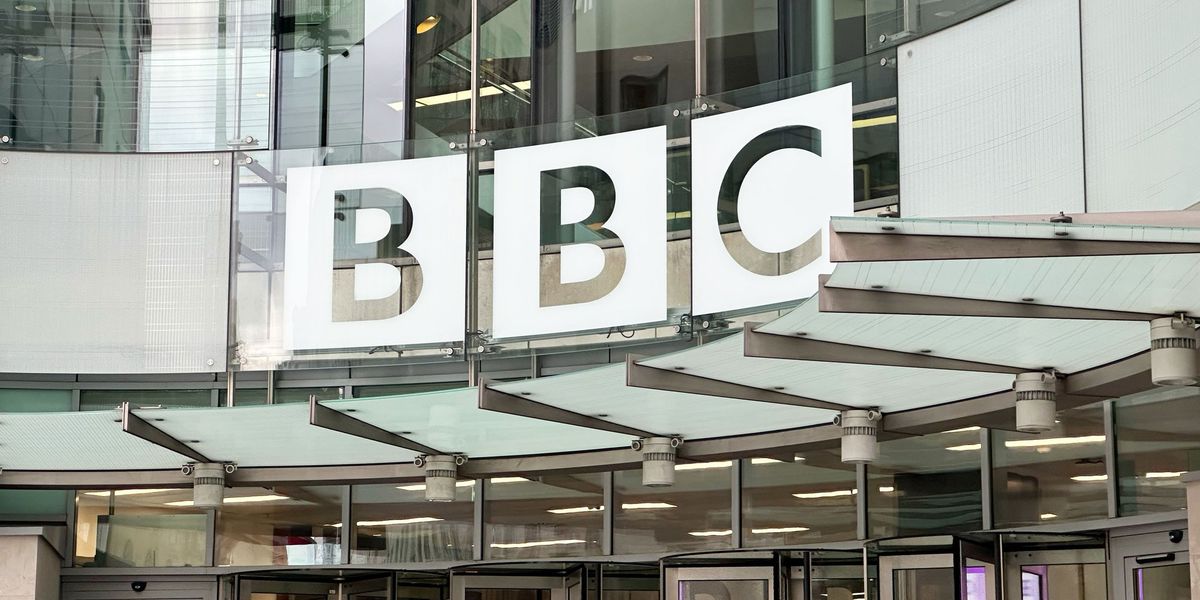
The BBC could introduce adverts to help plug gaps in funding amid a surge in Britons refusing to pay the licence fee.
Culture Secretary Lisa Nandy is set to reveal proposals for reforming BBC funding next week, with advertising emerging as one potential revenue stream for the broadcaster.
The Government plans will present multiple options for supplementing the current licence fee model, ranging from subscription services to a system where higher earners would contribute more based on their income.
As part of the discussions to counter the threat of competitors like Netflix, almost all alternative revenue streams are understood to remain on the table.
A source close to Ms Nandy confirmed that direct funding from general taxation remains the sole option definitively excluded from consideration, per The Telegraph.
The number of households paying the licence fee has fallen substantially over recent years, dropping from 25.2 million in 2020 to 23.8 million in 2025.
At its present rate of £174.50 annually, the licence fee generated £3.8 billion for the broadcaster last year.
BBC Studios, the corporation’s production arm, contributed an additional £2.2 billion in revenue.
The BBC could be about to introduce adverts to help plug funding gaps
|
GETTY
As things stand, the licence fee is projected to rise to nearly £200 by the end of the decade.
The annual charge will jump from £174.50 to just under £197 if it continues to track inflation, the Office for Budget Responsibility forecasts.
Ms Nandy is pushing for the BBC to become less reliant on licence fee income and instead expand its earnings through international programme sales.
The Culture Secretary outlined her position at a Labour Party conference fringe event in September.
Culture Secretary Lisa Nandy is set to reveal proposals for reforming BBC funding next week
|
PA“The only thing we’ve ruled out is general taxation,” she promised.
“If you had a grant from the Government each year, it would be far too easy for politicians to pull that funding and use it as a stick to beat the BBC with.
“It’s essential we protect the BBC from that,” she stressed.
The consultation period will span 12 weeks ahead of a white paper publication, with one insider describing next week as the “starting gun” for negotiations before the current charter expires at the end of 2026.
The number of households paying the licence fee dropped from 25.2 million in 2020 to 23.8 million in 2025
|
GETTY
The BBC is anticipated to oppose both subscription and advertising models, fearing the latter would damage commercial competitors, including ITV and Channel 4.
A BBC spokesman said: “The Government’s consultation will give the public and the industry an opportunity to have their say on the future of the BBC and shape the UK’s media landscape for the next decade and beyond.”
The development comes as the corporation grapples with questions of bias within the organisation that were sparked by the doctoring of a speech by President Donald Trump.
These disclosures prompted the departure of both director-general Tim Davie and head of news Deborah Turness from their posts at the BBC.