
Consumer Price Index (CPI) inflation edged up to 3.3 per cent in the year to March, rising from three per cent in the 12 months to February.
This was largely driven up by fuel price rises as the average price of petrol rose by 8.6 pence per litre between February and March 2026, the Office for National Statistics (ONS) said.
The ONS’s chief economist, Grant Fitzner, said: “Fuel prices saw their largest increase for over three years.
“Airfares were another upward driver this month, alongside rising food prices.”
The latest figures indicate the impact of the Iran conflict
|
GETTY
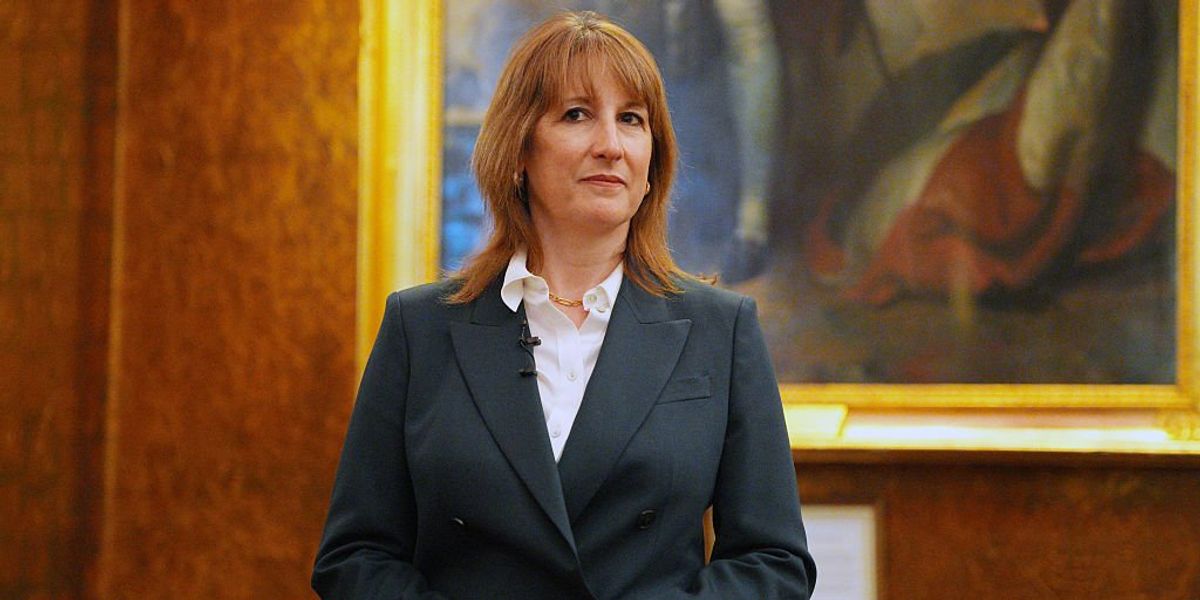
Chancellor Rachel Reeves has responded to the latest inflation figures, saying the US‑Israel war with Iran is driving up prices.
“This is not our war, but it is pushing up bills for families and businesses,” she says, adding that her “number one priority” is keeping costs down.
The chancellor says the Government’s economic plan has left the UK in a “stronger position to support families in the face of this new crisis”.
“We’ve taken £117 off energy bills, frozen rail fares and protected motorists with the fuel duty freeze,” she says.
“We’re acting to shield people from unfair price rises if they occur, to bring down food prices at the till, and to strengthen long‑term energy security — building a more resilient, secure economy.”
Lily Megson Harvey, Policy Director at My Pension Expert responded to the figures by saying: “Today’s rise in inflation is a gut-punch to Britons.
“It outlines the further strain felt by household finances, with no clear end in sight.
“For pension planners, it could signify the steady erosion of retirement savings —where even modest inflation can chip away at purchasing power over time.”
Fuel prices put huge upward pressure on inflation
|
ONS
The International Monetary Fund (IMF) has previously warned that Britain is on course for the sharpest growth slowdown in the G7 this year, with inflation set to be among the highest in the group, as the war in the Middle East threatens to tip the global economy into recession.
March’s headline inflation rate remains well above the Government’s two per cent target.
The Bank of England held interest rates steady last month but cautioned that a prolonged conflict and continued disruption to global energy markets could force it to raise borrowing costs to prevent high inflation becoming entrenched.
Before the war, inflation had been expected to fall sharply in April as measures from Ms Reeves’s 2025 Budget, including cuts to energy bills, took effect.
A drop to almost two per cent had been forecast, but economists now expect inflation to stay stubbornly high this year as the economic fallout from the conflict mounts.
MORE TO FOLLOW