
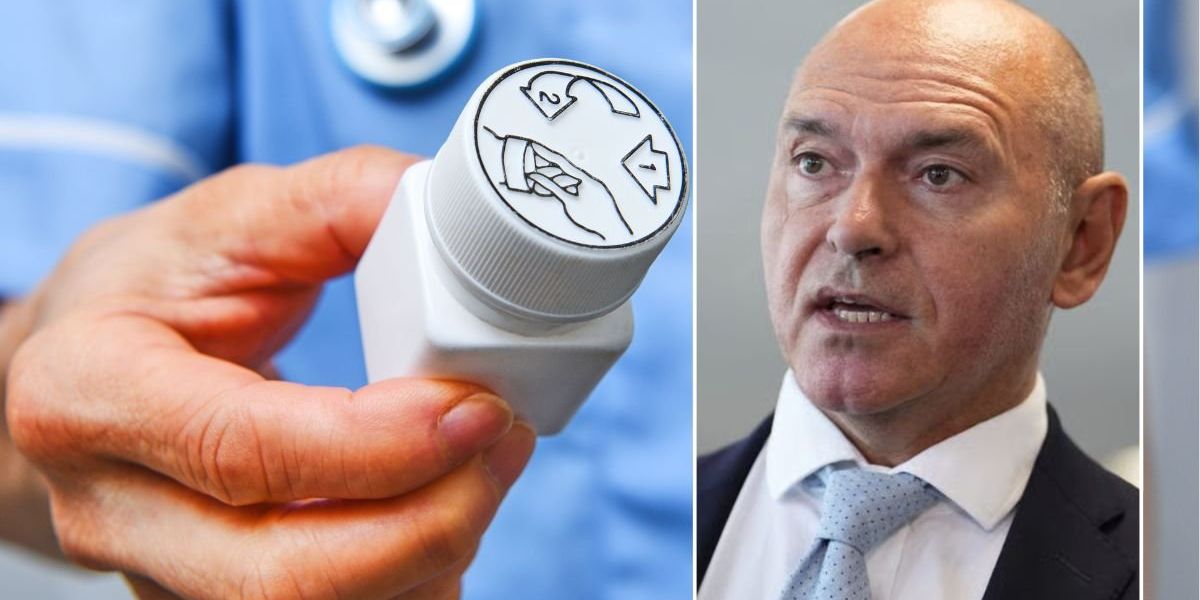
The head of NHS England has issued a grave warning Britain’s health service may be days away from exhausting supplies of common medications due to the ongoing Middle East crisis.
Sir Jim Mackey expressed serious concern during an LBC Radio phone-in, stating he and fellow health leaders are “really worried” about the situation.
The disruption stems directly from Iran’s blockade of the Strait of Hormuz, with deliveries either halted entirely or forced to take lengthy alternative routes around the globe.
Beyond pharmaceuticals, Sir Jim confirmed essential medical equipment, including syringes and gloves, faces similar supply pressures.
Some pharmaceutical deliveries have been halted completely
|
GETTY
“We are really worried about this,” he admitted, noting the NHS has already experienced “a couple of supply shocks in the last 12 to 18 months of key supplies”.
The warning comes against a backdrop of existing medication shortages that have plagued British pharmacies throughout 2025.
Chemists across the country have faced considerable difficulty obtaining common painkillers such as aspirin, codeine and co-codamol.
Antidepressants and hormone replacement therapy treatments have proved equally challenging to source.
Cancer patients have also been affected, with Efudix – a topical chemotherapy cream employed to treat cancerous and precancerous skin cells – becoming increasingly scarce.
Pharmacy leaders and manufacturers raised the alarm earlier this month regarding the disruption and its potential consequences for these pre-existing supply difficulties.
The combination of ongoing shortages and fresh supply chain pressures from the Middle East conflict has created what many in the sector describe as an increasingly precarious situation for patient care.
The scale of the maritime disruption is staggering, with more than 1,000 cargo vessels prevented from navigating the crucial waterway in recent weeks.
The Strait of Hormuz serves as a vital artery for global trade, particularly for oil and gas exports.
When pressed on which supplies faced the greatest risk, Sir Jim offered a sobering assessment, stating: “Well, everything, honestly everything’s at risk.”
He explained most products have sufficient stock for “a few weeks” at best, with reserves held both centrally and at the local level.
Storage costs and product expiration dates make it impractical to maintain years of supply, he noted. Asked directly whether some items might have only weeks of stock remaining, Sir Jim confirmed: “Yeah, it could be days for some products.”
Pharmacy leaders have responded with urgent calls for Government intervention.
Henry Gregg, chief executive of the National Pharmacy Association, noted while shortages directly linked to the Middle East conflict have not yet materialised, “pharmacies are seeing disturbing spikes in prices which can be an early indicator of challenges”.
He warned years of NHS cost-cutting on medicines have left Britain vulnerable in the global marketplace.
Dr Leyla Hannbeck, who leads the Independent Pharmacies Association, demanded immediate action, calling for “the 150 most at-risk medicines to the export ban list” and the appointment of a dedicated medicines shortages Tsar.
She urged ministers to formally recognise drug shortages as a national security threat.
“Without urgent and meaningful support from the Government, there is only so much we can do with our hands tied behind our backs,” Dr Hannbeck cautioned.
The Government has sought to reassure the public, with a spokesman stating on Monday: “There are currently no reported medicine shortages as a result of conflict in the Middle East.”
Sir Jim Mackey has said he’s ‘really worried’ about the situation
|
GETTY
Officials maintain they are monitoring the situation closely for any impact on medical supply chains.
The Department of Health has issued what has been described as an unprecedented number of price concessions to address surging costs, likely worsened by the current crisis.
“The department actively monitors emerging threats to supply resilience and has established processes in place to manage disruption across the health and social care sector,” the spokesman added.
Any prolonged blockade of the Strait could have far-reaching consequences beyond healthcare, potentially driving up energy bills, consumer prices and inflation across the British economy.