
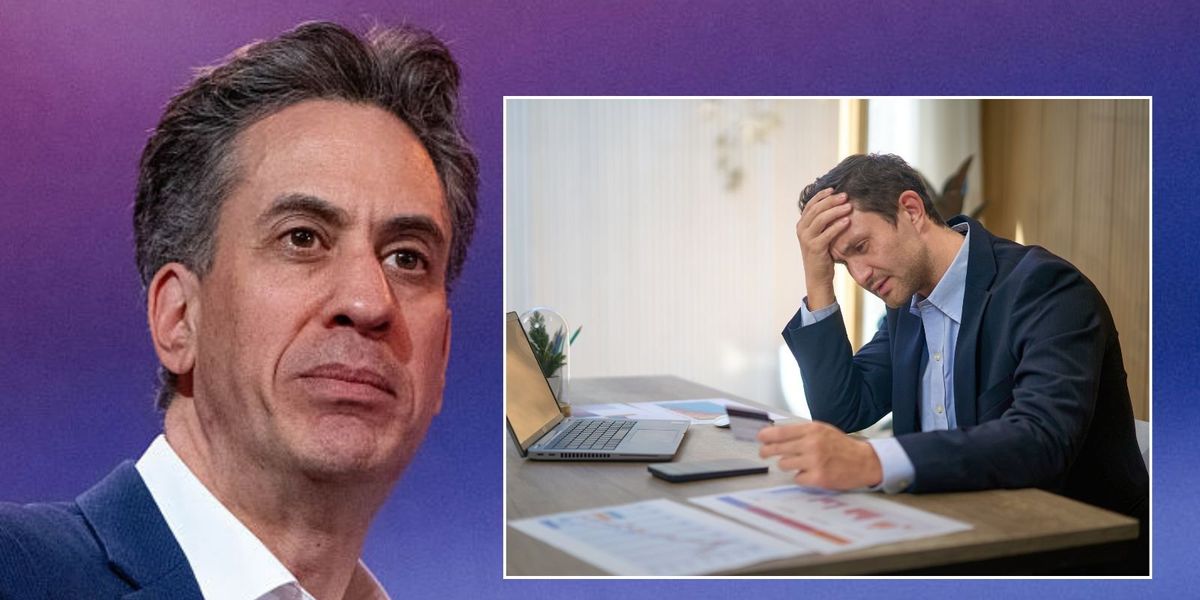
Business leaders have cautioned Ed Miliband that firms across Britain could see their energy costs spike dramatically in the coming weeks as the ongoing Middle East conflict leaves them vulnerable to volatile prices.
The Energy Secretary convened meetings with industry representatives and energy executives on Thursday, where the “B5” coalition of major business organisations delivered a stark warning.
These groups, comprising the British Chambers of Commerce, CBI, Federation of Small Businesses, Institute of Directors and Make UK, informed Mr Miliband that approximately one third of British companies are due to renegotiate their energy contracts next month.
Unlike households, businesses lack protection from the energy price cap and typically commit to contracts spanning up to five years, meaning elevated prices could burden them long into the future.
The price surge intensified on Thursday, with oil climbing back above $100 per barrel following Iran’s escalation of attacks on shipping vessels in the Gulf and its new supreme leader’s vow to maintain the blockade of the Strait of Hormuz.
The Conservatives have intensified pressure on Labour to abandon a planned increase in fuel duty scheduled for September.
Shadow transport secretary Richard Holden accused Rachel Reeves of “rewriting the facts” after the Chancellor suggested during a select committee hearing on Wednesday that cutting fuel duty would not help motorists because the savings “often just goes to retailers”.
However, this claim directly contradicts a 2022 Competition and Markets Authority report, which concluded that retailers generally passed on duty reductions to consumers promptly, with major chains doing so immediately.
Natural gas prices, which heavily influence UK electricity costs, have risen by 60 per cent since hostilities with Iran commenced
|
PANatural gas prices, which heavily influence UK electricity costs, have risen by 60 per cent since hostilities with Iran commenced.
Introducing a price cap for commercial energy users would carry substantial fiscal implications. During Russia’s invasion of Ukraine, business energy subsidies cost the taxpayer an estimated £18.4billion in 2022, though current gas prices remain below those crisis levels.
Attendees characterised Thursday’s discussions, which included Ofgem chief executive Jonathan Brearley, as primarily a “listening exercise”, with Mr Miliband reportedly fixated on tackling price gouging by brokers and hauliers.
“Rachel Reeves must cancel her planned hike to fuel duty. Global events mean British motorists are already paying more at the pump,” Mr Holden said.
Introducing a price cap for commercial energy users would carry substantial fiscal implications
|
GETTYHe added: “Labour must axe their new tax on drivers.”
Following his meetings, Mr Miliband stated: “Tackling the cost of living crisis is our number one priority. That’s why we took action at the Budget, and the price cap is coming down in April as a result.”
He added: “I know many people will still be concerned by the impact of events in the Middle East. Today I met with executives from across the energy market to discuss these issues.”
The Chancellor pledged to expose petrol retailers imposing “unjustifiable” price increases, having already instructed regulators to clamp down on profiteering.
The Chancellor pledged to expose petrol retailers imposing “unjustifiable” price increases
|
PARLIAMENT TVMs Reeves declared: “I will not tolerate any company exploiting the current situation to make excess profits at consumers’ expense.”
Energy suppliers separately warned Mr Miliband that numerous households will struggle when the current price cap expires in July, requesting consideration of consumer subsidies and discounted rates for vulnerable customers.