
The UK economy failed to grow in January, raising fresh concerns about the strength of the recovery.
Figures from the Office for National Statistics show GDP was unchanged during the month, disappointing economists who had expected growth of around 0.2 per cent.
The data follows modest expansions of 0.1 per cent in December and 0.2 per cent in November 2025.
Within the figures, the services sector showed no growth, production fell by 0.1 per cent and construction rose by 0.2 per cent in January.
Economists have warned the outlook could deteriorate further as rising energy costs threaten to weigh on activity.
Brent crude remains above $100 a barrel after climbing sharply since the conflict involving Iran began almost two weeks ago.
Kathleen Brooks, research director at XTB, said January’s GDP figures will be closely watched after the UK economy ended 2025 on a weak footing, with growth of just 0.1 per cent in the fourth quarter.
Analysts expect the economy to grow by around 0.2 per cent in January and about 0.3 per cent over the three months to January, suggesting activity may have picked up slightly at the start of the year.
However, Brooks warned that any improvement could be short-lived as rising oil prices linked to the conflict in the Middle East risk pushing inflation higher and weighing on growth.
She added that developments in the Middle East are likely to have a bigger impact on markets than the latest UK economic data.
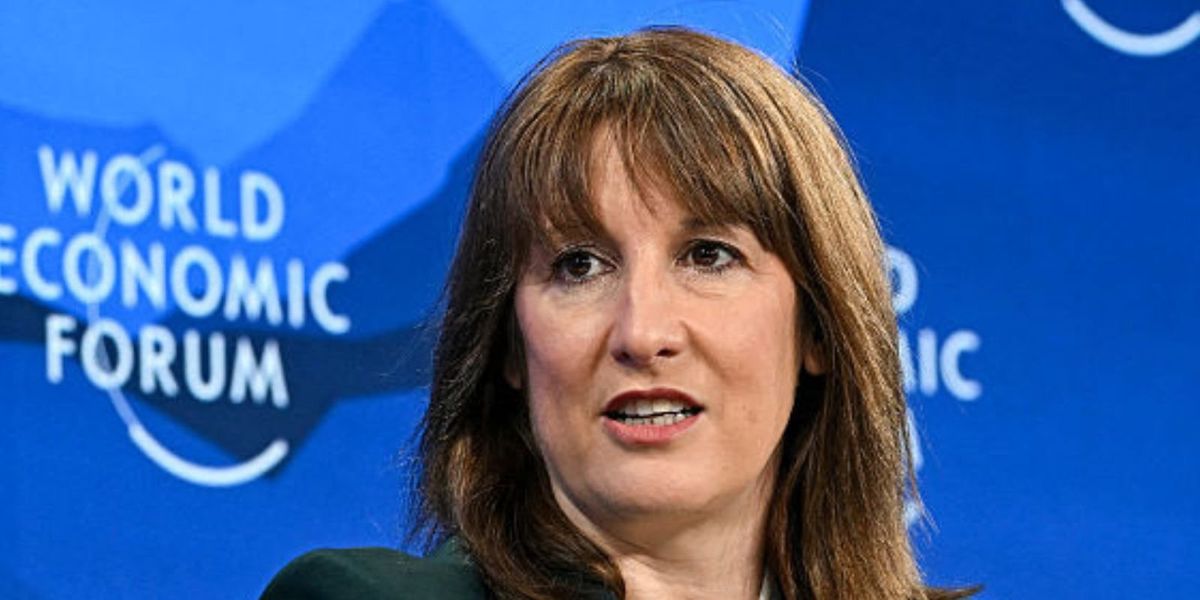
Economists have warned the outlook could deteriorate further as rising energy costs threaten to weigh on activity
|
GETTY
Emeritus Professor Joe Nellis, economic adviser at MHA, warned that rising inflation could undermine the Government’s growth plans and deepen the cost of living pressure on households.
He said expectations of several interest rate cuts in 2026 may now need to be reconsidered, adding: “We must now face the possibility that rates may actually rise again.”
Mr Nellis cautioned that if the Bank of England keeps interest rates higher for longer, or raises them, tighter monetary conditions could dampen business investment and slow economic growth.
He also warned that potential US tariffs on UK goods rising to 15 per cent from the previously negotiated 10 per cent could further weaken exports and increase uncertainty for businesses.
While the situation could improve if tensions in the Middle East ease and energy prices fall, he said the risks to economic growth have “dramatically increased in the last two weeks”, leaving the outlook far more uncertain.
LATEST DEVELOPMENTS