
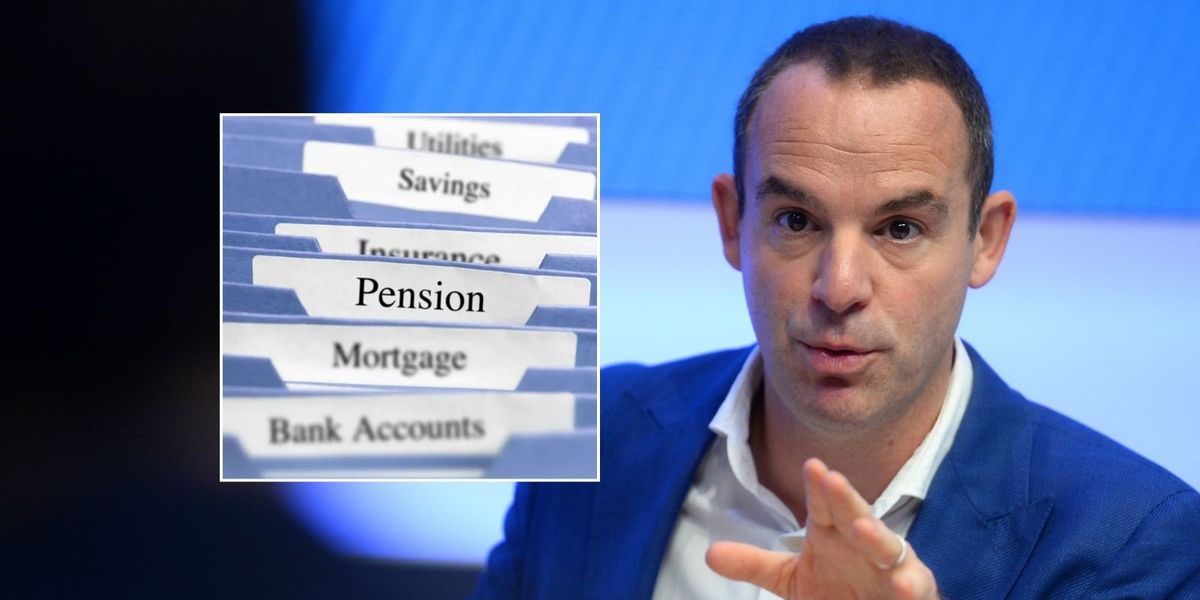
Martin Lewis has alerted pension holders to a significant tax pitfall that could see them unnecessarily hand over hundreds of pounds to HMRC.
The financial expert’s warning, published on his Money Saving Expert website, demonstrates how withdrawal mistakes on a £10,000 sum could result in losses of £150 to £300 going directly to the taxman rather than remaining in savers’ pockets.
These figures scale up proportionally with larger withdrawals, meaning the cost of getting it wrong could reach £700 or substantially more for those accessing bigger pension pots.
The guidance appeared alongside video footage from Mr Lewis’s television programme, where he explained the mechanics of pension taxation and outlined strategies to minimise unnecessary payments to the Government.
The Money Saving Expert founder used a chocolate Swiss roll to illustrate how pension taxation operates. When withdrawing funds directly from a pension pot, each portion maintains its original composition – meaning a £10,000 withdrawal would see £2,500 come out tax-free whilst the remaining £7,500 faces taxation at the individual’s marginal rate.
Mr Lewis explained: “Now 25 per cent of the money that you take out is tax-free the rest is taxed at your marginal rate. It means if you’re a basic rate taxpayer of course there’s always a bit you don’t pay tax on you personal allowance it’s 20 per cent if you’re high rate tax per it’s 40 per cent that’s what you’re going to be taxed on.”
This means savers cannot extract their entire pension without incurring tax – only one quarter of each withdrawal escapes the taxman’s reach.
Savers cannot extract their entire pension without incurring tax
|
GETTY
However, Mr Lewis outlined an alternative approach that could save pension holders significant sums. Rather than withdrawing lump sums directly, individuals can extract just the 25 per cent tax-free element and transfer the remainder into an income drawdown or annuity arrangement.
This strategy proves particularly advantageous for higher-rate taxpayers who anticipate dropping to a lower bracket upon retirement.
Mr Lewis illustrated the point: someone currently paying 40 per cent tax on their £7,500 taxable portion could instead defer that withdrawal until their income falls, subsequently paying just 20% on the same amount.
This strategy proves particularly advantageous for higher-rate taxpayers
|
GETTYThe same principle applies to basic-rate taxpayers who may become non-taxpayers in retirement.
By separating the tax-free and taxable elements, savers retain control over when they trigger their tax liability, potentially halving their bill.
At present, pension holders can begin accessing their funds from age 55, though this threshold will increase to 57 from April 2028.
At present, pension holders can begin accessing their funds from age 55
|
GETTYFinancial advisers typically caution against early withdrawals, as doing so may diminish the income available during later retirement years.
Mr Lewis emphasised the potential scale of the issue, noting that errors in withdrawal strategy could result in “thousands or tens of thousands of pounds difference” in unnecessary tax payments.
Citizens Advice recommends that anyone considering accessing their personal or workplace pension should obtain professional financial guidance before making decisions.
The organisation also notes that individuals retiring due to ill health may qualify for earlier pension access than the standard age threshold.