
British retailers recorded stronger-than-expected sales growth in January, with total sales increasing 2.7 per cent year-on-year, providing a notable rebound after weaker trading during the Christmas period.
The figure exceeded the 12-month average growth rate of 2.3 per cent, offering a positive signal for the sector following subdued festive performance across many retail categories.
Industry data suggests many consumers delayed discretionary spending during December before making purchases during January discount events, helping to drive the strongest growth figures recorded at the start of 2026.
Physical retail locations experienced their strongest performance in more than six months, indicating continued consumer engagement with high street stores when supported by competitive pricing and promotional activity.
Helen Dickinson, chief executive at the British Retail Consortium, said: “A drab December gave way to a brighter January as retail sales picked up pace.
“Many shoppers had held off Christmas spending and waited for the January sales, with the start of the new year showing the strongest growth. And bargain hunting was not limited to online, with in-store sales showing the highest growth in over six months.”
In-store non-food sales increased 2.0 per cent year-on-year, significantly outperforming the 12-month average growth rate of 0.9 per cent.
Online non-food sales rose 1.3 per cent over the same period, slightly below the 12-month average growth of 1.4 per cent.
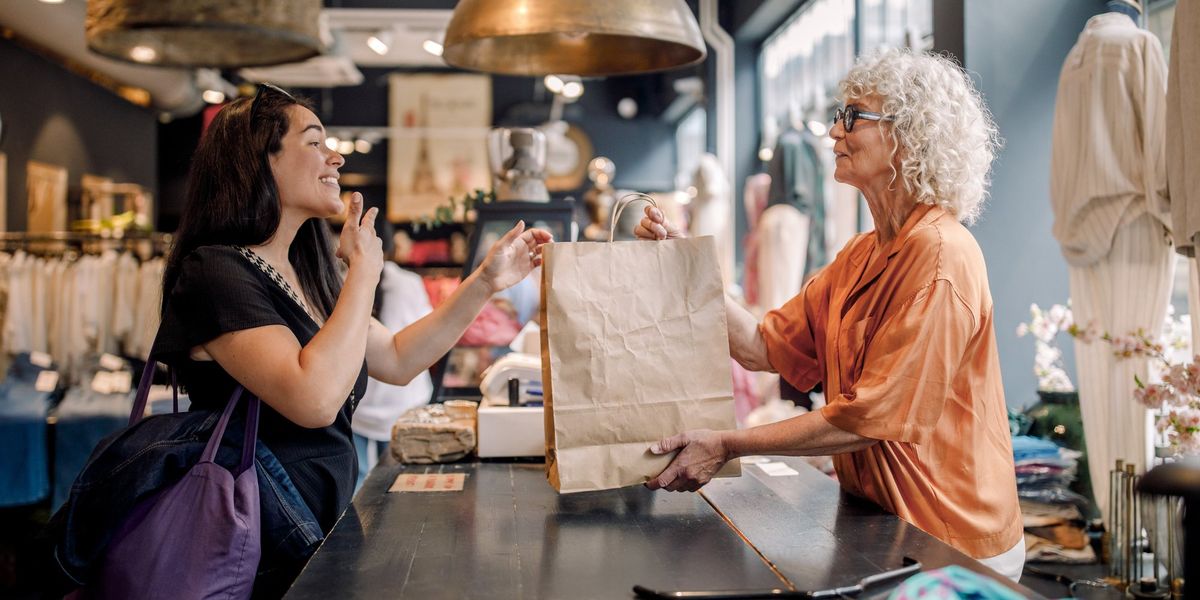
Many consumers delayed discretionary spending during December before making purchases during January discount events
|
GETTY
The proportion of non-food items purchased online increased to 37.2 per cent, compared with 35.7 per cent during the same period last year.
Food sales delivered particularly strong performance, rising 3.8 per cent year-on-year, matching the 12-month average while exceeding January 2025 growth of 2.8 per cent.
Linda Ellett, UK head of consumer, retail and leisure at KPMG, said: “The year started well for the retail sector, with welcome sales growth. January sales enticed consumers to spend, with personal electronics, furniture, and children’s clothes and toys, all among the best performing categories.”
Retailers also reported increased demand for wellness-focused food and drink products during the new year period, reflecting seasonal consumer purchasing patterns.
Ms Ellett said: “They remain acutely aware of the challenge of consistently growing sales volumes when consumers continue to be cautious about, and savvy with, their spending.”
Separate analysis indicated shopper confidence remained subdued following the festive period, with cost pressures continuing to influence purchasing behaviour across multiple categories.
Sarah Bradbury, chief executive at IGD, said: “After the end-of-year festivities, shopper confidence was muted in January, primarily driven by concerns about future price rises.”
Industry forecasts suggest food inflation is expected to remain elevated during parts of 2026, potentially maintaining pressure on household budgets and influencing retail spending patterns.
GETTY
Ms Bradbury said: “The outlook for 2026 indicates that food inflation will persist for some time meaning some shopper concerns are well-founded. As a result, we expect shoppers to continue to scrutinise their purchasing.”
Retail analysts said promotional activity is likely to remain a key strategy for retailers seeking to maintain customer demand while balancing cost pressures across supply chains and operations.
The January performance provides early insight into consumer behaviour at the start of 2026, with both physical and online retail channels continuing to play significant roles in overall sector performance.
Sector data will continue to be closely monitored in the coming months as retailers assess whether January momentum can be sustained against the backdrop of ongoing inflationary pressures and cautious consumer spending patterns.