



The Conservatives have pledged to halt “screen-based” exams and cut coursework to limit schoolchildren’s use of AI if the party returns to power.
New guidelines for teachers would seek to ensure that laptops and tablets are not the default in classrooms, the party said.
Shadow Education Secretary Laura Trott said Britain had “sleepwalked into a situation where nearly a million children spend almost every lesson” on a device despite health professionals warning of the dangers of excessive screen time.
Under Conservative proposals, the amount of coursework in school assessment will be “minimised” to make sure the next generation of workers are “AI-resilient”, the party said.
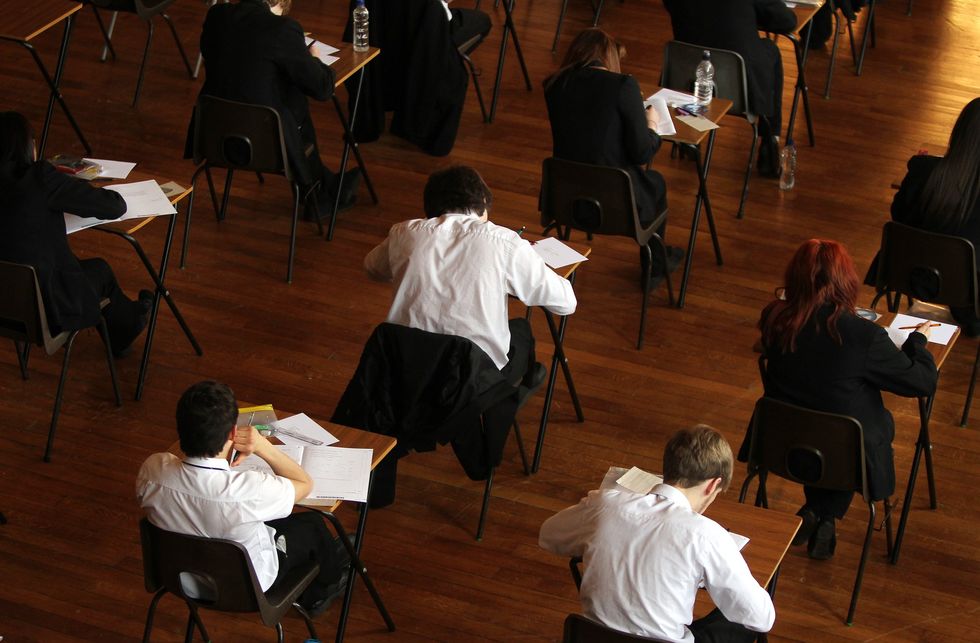
Under the proposals, “screen-based” exams would be stopped, with screen time for secondary school pupils limited to a maximum of two hours a day, including during homework.
In primary schools, devices would be used only at a “minimum” and where relevant to the curriculum, such as for computing, the party said.
Tory officials said the plans would not seek to eliminate screens entirely, but instead ensure devices do not dominate teaching in a way that could harm cognitive development or lead to lower educational outcomes.
Ofqual has proposed how on-screen assessment should be regulated in GCSEs, A Levels and AS Levels in England, though the regulator has said pen and paper would still remain “central” to most exams.
Under the plans, exam boards could submit proposals for two new on-screen specifications.
Conservative officials said the party would halt the rollout of digital exams and reverse it where it has already happened.
Ms Trott said: “We have sleepwalked into a situation where nearly a million children spend almost every lesson on a screen, while medical professionals warn of the damage excessive screen time can do to children’s health, development and learning.
“I want to slash screen use in classrooms and set a new norm where screens are no longer the default.”
LATEST DEVELOPMENTS
- Teachers could face jail under Labour’s trans bill, school leaders warn
- Brighton school SCRAPS allowing biological boys to use girls’ changing rooms following court battle
- Schools across UK evacuated over ‘bomb threat’ just weeks after similar incident
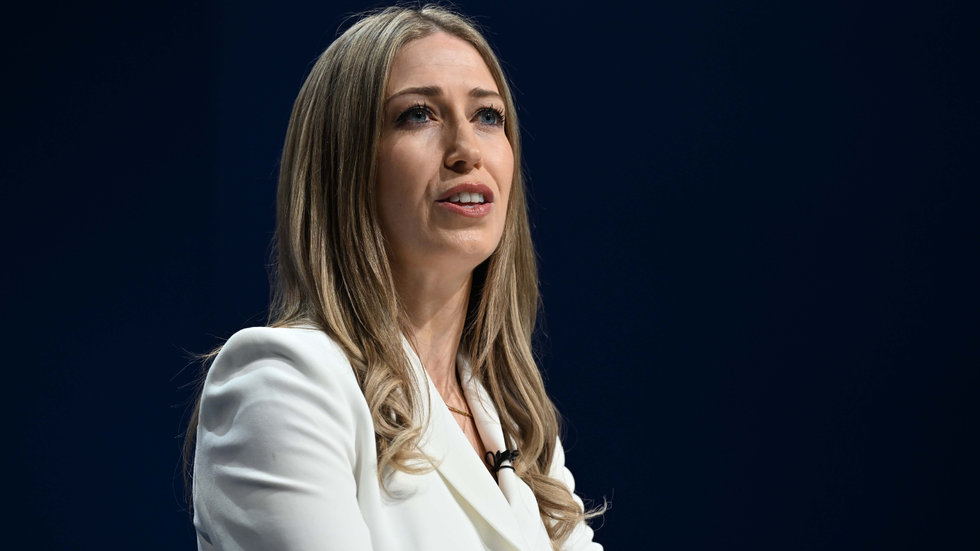

The Tories said their plans draw on the work of the Health Professionals for Safer Screens campaign group, which has warned that excessive screen time can damage a child’s health.
Founder Dr Rebecca Foljambe said: “Screen-based learning must not gratuitously occupy a child’s day, particularly in early years and primary settings, without proper justification, when the jury is still very much out on whether it offers any added value over long-established, screen-free teaching methods.
“The school day plays a fundamental part in a child’s overall health.
“Writing with a pen, reading from a book, the spoken word and time outdoors are essential for children’s neurodevelopment and wellbeing.”

Ms Trott added: “Everything in schools must be safe for children and improve standards.
“We’ve forced the Government to get under-16s off social media and ban smartphones from the classroom, now we need to reduce screen time.”
The Tories also said they would establish a new £250million “textbook fund” to get children reading from books, aiming for three per pupil.
Kemi Badenoch’s party said this could be funded by repurposing what it claimed was £900 million spent annually on EdTech, digital tools used in education, like interactive whiteboards and classroom tablets.


Labour said this proposal was “just bad maths” because the EdTech budget covers things like basic infrastructure and data protection in schools, not just screens.
A party spokesperson said: “The Tories sat on their hands for 14 years when it came to tackling the challenges presented by technology in childhood. It is too late now to convince parents and teachers that they have the answers.
“This Labour Government is taking action to support children, parents and teachers, providing strengthened guidance to help the move towards phone-free school days and promising further guidance on young person’s screen use in the coming weeks.”
The Department for Education disputed the £900million figure, and said it was “wholly inaccurate” to suggest EdTech funding could “simply be transferred for another use”.
It includes “connectivity and management information systems that schools rely on to operate effectively, collect and protect data, as well as technology that can support pupils’ learning”, a department spokesman said.
Our Standards:
The GB News Editorial Charter


