



Labour’s overhaul of the national curriculum will include lessons on how to spot misinformation, as ministers seek to equip children with the skills to navigate an increasingly digital world.
The changes are set to be formally announced on Monday, with compulsory citizenship lessons introduced from primary school, alongside digital and media literacy to help children identify bias and misleading content.
Pupils will also be taught financial literacy, while an updated computing GCSE will include lessons on data and artificial intelligence.
Education Secretary Lucy Powell said the changes were aimed at bringing the curriculum up to date with societal changes.
“We are modernising the curriculum to equip young people for their fast-changing future, not some bygone past,” she said.
“Every child will build strong foundations in maths, reading, writing and speaking, enabling them to access the full breadth of the curriculum, develop their talents, expand their horizons and become resilient, confident and adaptable life-long learners.”
Other changes include shortening GCSE exams, with the number of papers sat by pupils set to be reduced in an effort to ease pressure.
The history curriculum, alongside subjects including geography, French and German, will also be slimmed down to allow more time for pupils to master the content.
The reforms have already prompted criticism from opposition politicians, with shadow education secretary Laura Trott accusing Ms Powell of taking a “wrecking ball” to the curriculum.
She said the proposals risk eroding the core knowledge that has helped English pupils achieve strong international results in reading, maths and science.
“This is a shopping list of things that sound nice but erodes the core knowledge that has put English pupils in the world’s top ten for reading, maths and science,” she said.
Ms Trott also questioned the introduction of compulsory citizenship lessons for primary school children, warning that core subjects could lose out.
LATEST DEVELOPMENTS
- Schools ordered by Labour to ‘make students read for pleasure’ as part of education overhaul
- Britain’s top private school faces first teachers’ strike in 650-years over probe into colleague
- University students stage walkouts across Britain as Europe-wide protests sweep continent
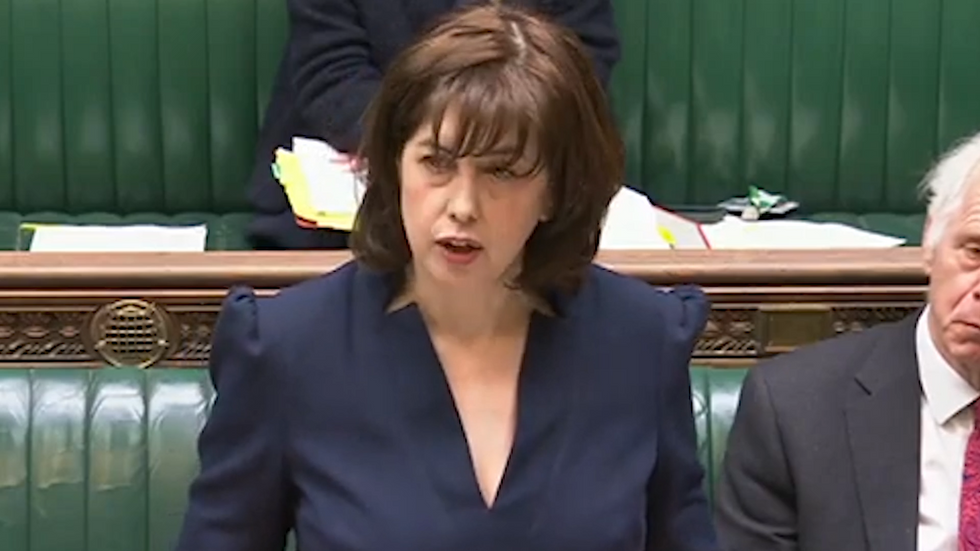

Reform UK’s education spokesman Suella Braverman also criticised the plans, claiming they would put additional pressure on teachers and “dumb down” the curriculum.
The overhaul follows a government-backed review led by Professor Becky Francis, published last year, which recommended changes including greater emphasis on financial and media literacy.
The review also called for children to be taught about climate change and sustainability through citizenship lessons, as well as a diversity audit of subjects to ensure the curriculum better reflects modern Britain.
The Government has said the new curriculum will place greater emphasis on reading, including reading for pleasure, as well as technical, vocational and creative subjects.
Our Standards:
The GB News Editorial Charter


