






US technology stocks are heading for their worst month in almost a year as mounting fears over artificial intelligence and rising tensions between Washington and Tehran rattle investors.
The Nasdaq Composite fell 0.8 per cent on Friday, taking its losses in February to nearly 3.5 per cent, while the S&P 500 slipped 0.6 per cent.
Both indices are on course to record their weakest week since March 2025, when tariff threats from US President Donald Trump unsettled global markets.
Investors have been unsettled by concerns advances in artificial intelligence (AI) could disrupt industries ranging from software to insurance and wealth management, fuelling volatility across the technology sector.
Analysts at Bank of America said the recent sell-off had been “driven by a bearish narrative that AI would eliminate most white-collar jobs and eventually lead the economy into collapse”.
They added the narrative was “at odds with sound economic theory” but warned that crowded positioning in technology shares was amplifying price swings.
At the same time, geopolitical tensions have added to the pressure on risk assets, with investor anxiety rising over the possibility of a US military strike on Iran.
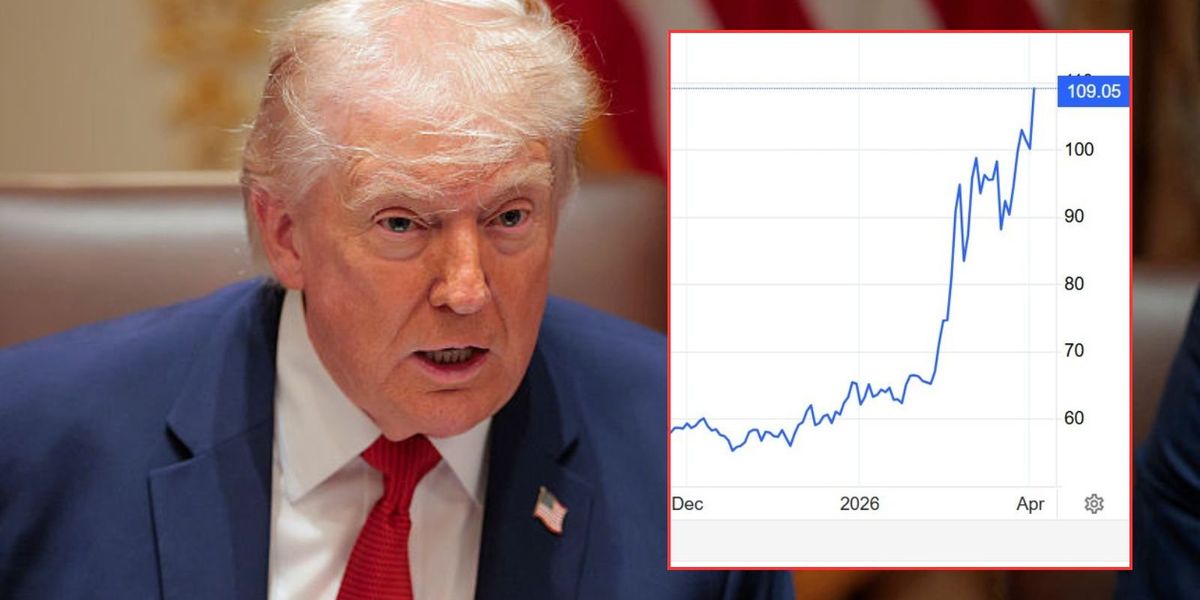
The international oil benchmark Brent crude climbed 2.8 per cent to $72.70 a barrel on Friday as traders reacted to reports that Washington had authorised the departure of non-emergency staff from Israel.
Nasdaq heads for worst month in almost a year amid AI fears and US-Iran tensions
|
GETTY
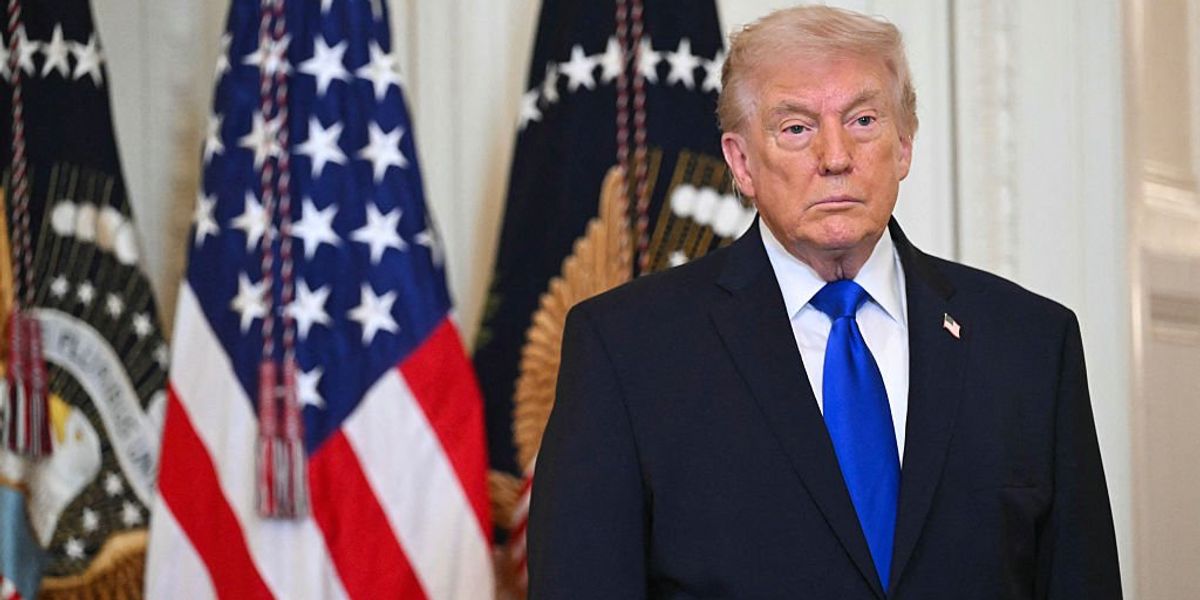
The US has assembled its largest military build-up in the region since the 2003 Iraq war and Mr Trump has warned strikes could follow if negotiations over Iran’s nuclear programme fail.
The flight from equities has supported demand for safe-haven assets, pushing US government bonds higher.
The 10-year Treasury yield fell 0.04 percentage points to 3.97 per cent, dropping below 4 per cent for the first time since November and marking the strongest month for Treasuries in a year.
Edward Al-Hussainy, portfolio manager at Columbia Threadneedle, said: “When the going gets tough and investors need liquidity and safety against risk, the asset that performs best is US Treasuries.”
The flight from equities has supported demand for safe-haven assets
|
GETTY
Technology companies have also faced scrutiny over the scale of capital expenditure on artificial intelligence infrastructure and uncertainty about when that spending will translate into higher profit margins.
Shares in Nvidia fell more than 2 per cent on Friday, extending a 5.5 per cent decline the previous day despite the chipmaker reporting stronger than expected revenues and profits earlier in the week.
Rushabh Amin, fund manager at Allspring Global Investments, said: “Capex intensity is under scrutiny and earnings are no longer being rewarded as they were.”
Software stocks were also under pressure, with Workday dropping more than 6 per cent on Friday and bringing its losses for the year to close to 40 per cent.
Private capital groups exposed to the sector saw further declines
|
GETTY
Private capital groups exposed to the sector saw further declines after a large credit fund managed by KKR reported a rise in troubled loans and lower investment income.
KKR, Ares Management and Apollo Global Management all fell more than 5 per cent, while Blackstone declined 3.3 per cent.
Fresh economic data added to market uncertainty after the Bureau of Labor Statistics reported that the producer price index for final demand rose 0.5 per cent in January, above expectations of 0.3 per cent.
The core measure, which excludes food and energy, increased 0.8 per cent month on month compared with forecasts of 0.3 per cent, reinforcing concerns about persistent inflationary pressures.
Altaf Kassam, head of investment strategy for Europe at State Street Investment Management, said: “The PPI print was a confirmation of the market’s bad mood because it locks in rate uncertainty just when the market was becoming comfortable with easing inflation and a weakening but not collapsing jobs market.”