




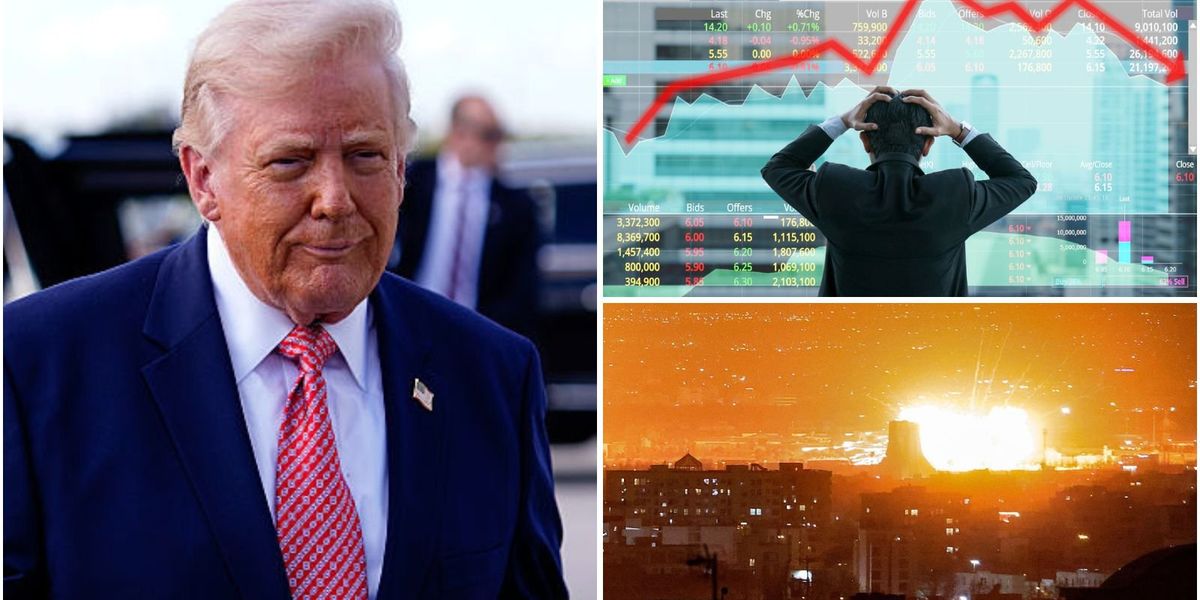
A prolonged recession could hit the global economy if President Donald Trump “loses control” of the US-Iran war, economists warn.
Oil prices soared above $119 per barrel before retreating once again during US trading hours while the conflict in the Middle East rages on.
The crisis stems from Iran’s effective closure of the Strait of Hormuz, a critical shipping route handling one-fifth of global oil and gas supplies.
Kallum Pickering, chief economist at Peel Hunt, warned that the economic shockwaves are “spreading from west to east” and cautioned: “If Europe is next, this will amplify global recession fears”.
Economists are worried about a global recession
|
GETTY
“Donald Trump may have lost control of the situation, which makes a quick resolution harder and increases the risk that the Strait remains blocked even once fighting ends.”
The situation has grown increasingly precarious amid reports that the US President may withdraw from the conflict without reopening the vital waterway.
A recession is defined as a period of economic decline when a country’s economy experiences two consecutive quarters of negative gross domestic product (GDP) growth.
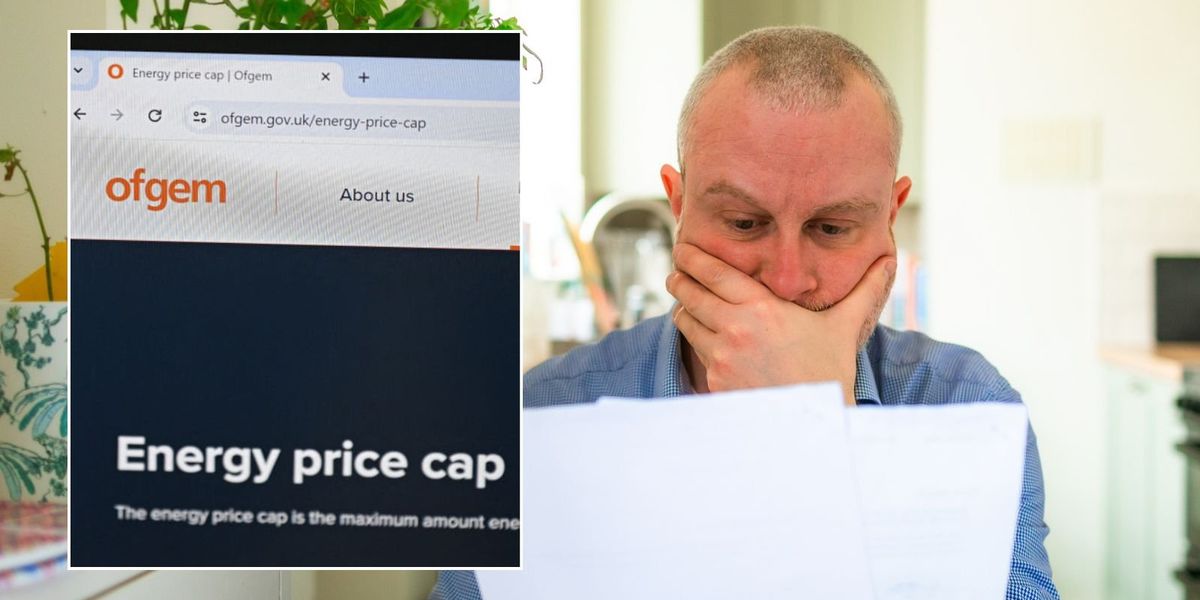
Cornwall Insight has forecast that the UK energy price cap will climb by a typical £288 annually from July, pushing bills to £1,929. The energy consultancy cautioned that the impact would extend far beyond domestic heating costs.
Are Britons experiencing a ‘personal recession’? | TAXPAYERS ALLIANCE
Energy prices are expected to soar
|
GETTYThe firm stated: “Should high gas, power and oil prices continue, the effects will go beyond household bills. Inflationary pressure and rising project costs could start to weigh on investment decisions and slow the pace of new infrastructure.”
Mr Pickering identified multiple sectors at risk from the supply disruption, including pharmaceuticals, travel, agriculture, and technology.
Business leaders’ faith in the economy has plummeted to unprecedented depths, with the Institute of Directors reporting that confidence among bosses has reached its lowest recorded level.
Nationwide Building Society, one of the country’s largest mortgage lenders, has indicated that the ongoing crisis threatens to slow property transactions significantly.
Smoke rises from a fire, as the Israel-Iran air war continues, in Tehran, Iran | REUTERS
These concerns emerged even as official data revealed the economy was already struggling before hostilities commenced.
Furthermore, the Organisation for Economic Cooperation and Development (OECD) has downgraded its forecast for British growth, identifying the UK as the advanced economy most severely affected by the crisis.
Official statistics from the Office for National Statistics (ONS) confirmed that economic expansion reached just 0.1 per cent during the final three months of last year.
Martin Beck, chief economist at WPI Strategy, characterised this performance as “feeble” and warned: “It’s easy to see the economy stagnating or even slipping into recession.”