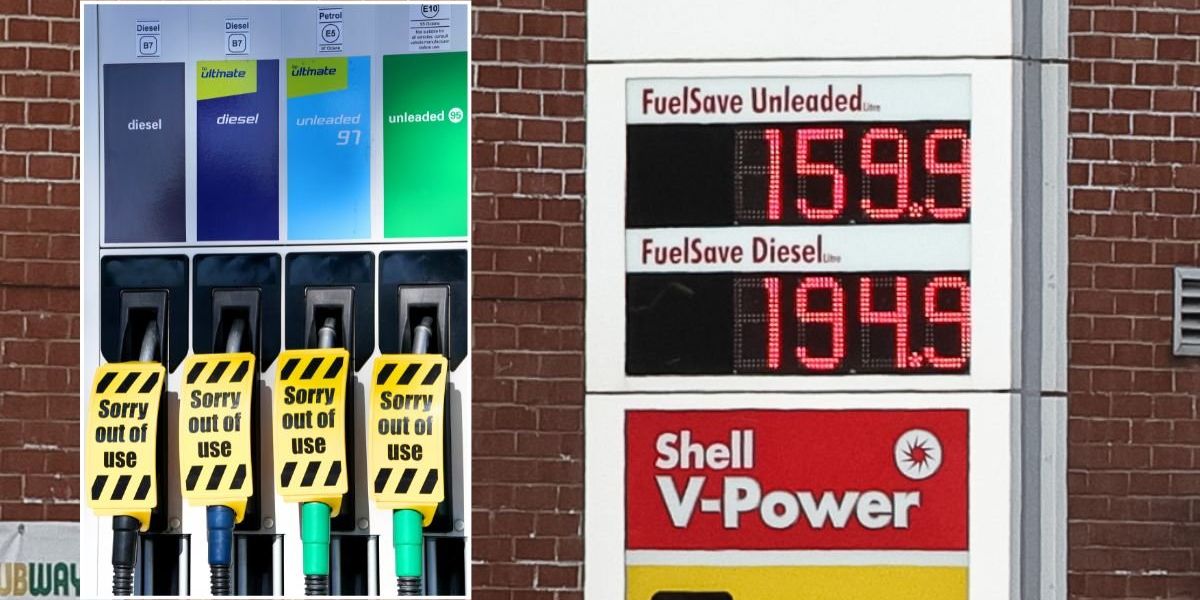




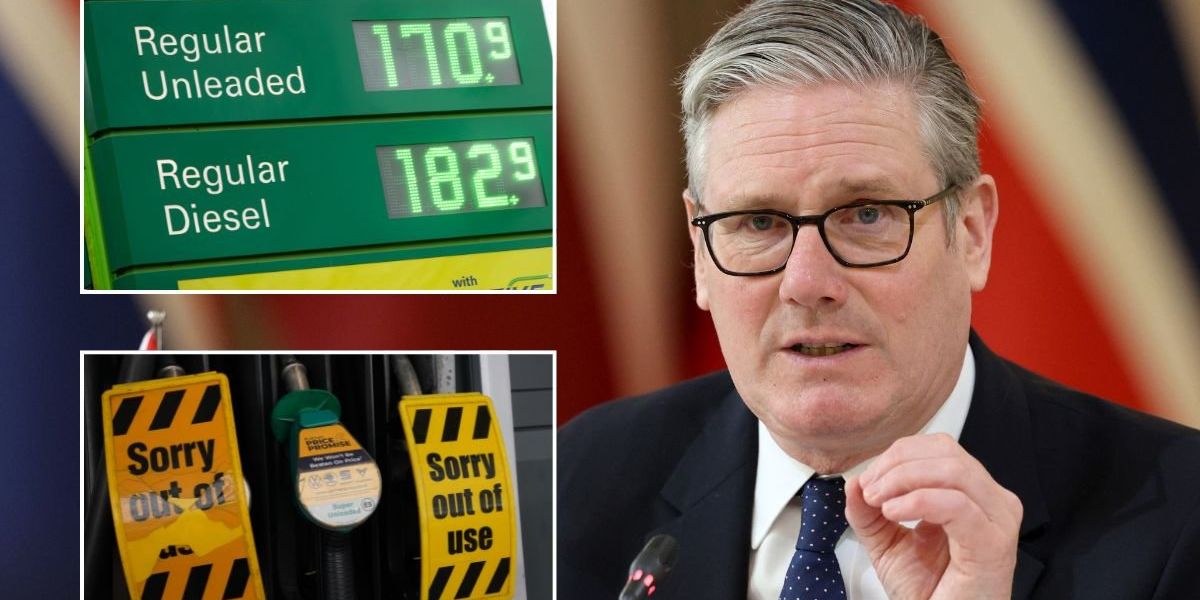
Drivers across the UK continue to be hammered by expensive petrol and diesel prices as the Labour monitors the situation, while foreign governments cut taxes and implement cost freezes.
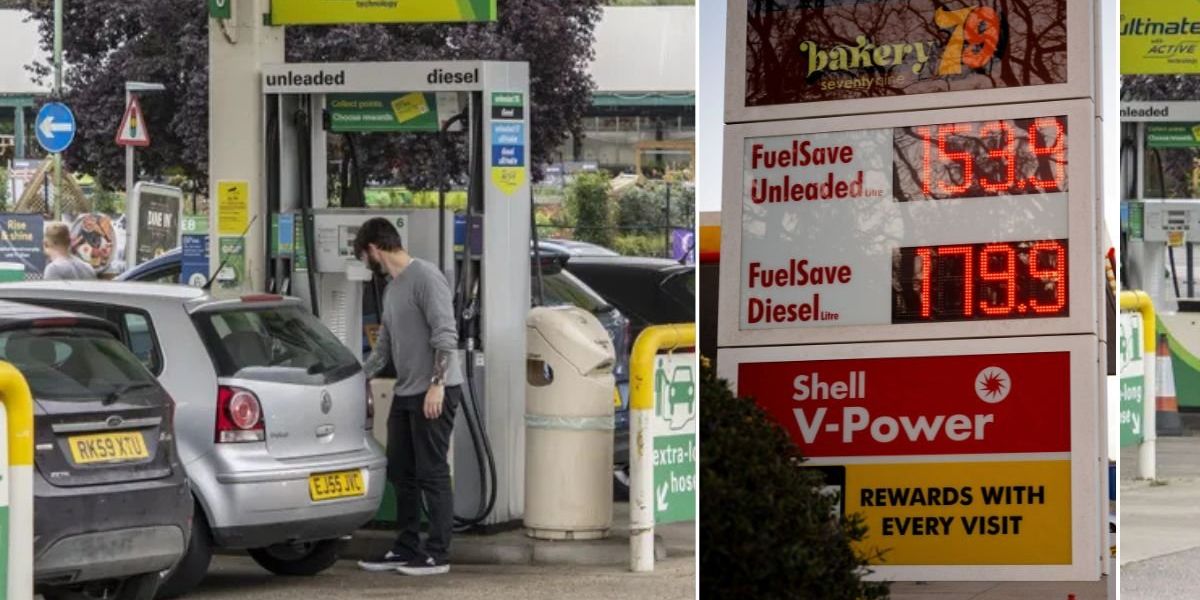
At present, drivers are paying more than £1.50 for petrol and 177p for diesel on average, amid calls for the Government to cut the rate of fuel duty or introduce alternative measures.
Labour points to measures confirmed in last year’s Autumn Budget, which will maintain the additional 5p per litre cut to fuel duty until September 2026, having been introduced by the previous Conservative government after the Russian invasion of Ukraine.
Politicians across Europe have lobbied for taxes and VAT to be cut on fuel to help hard-pressed petrol and diesel drivers at the pumps, with many paying less than drivers in the UK.
Poland
Prime Minister Donald Tusk announced new rules earlier this week to ensure petrol and diesel drivers aren’t taken advantage of at the pumps.
He confirmed that he would reduce the VAT rate on fuel from 23 per cent to eight per cent, while reducing the excise tax on petrol and diesel by 29 cents (25p) and 28 cents (24p) respectively.
Mr Tusk said: “We want this reduction to have a real impact on prices, not to fill the pockets of those involved in the fuel trade.
“For the period of application of these VAT and excise tax reductions, we will introduce a maximum retail price for fuel.”
Governments across Europe have taken strong action to mitigate the soaring cost of fuel
|
GETTY/PA
Germany
The German parliament has approved measures preventing petrol stations from increasing prices more than once a day.
The rules have been introduced to prevent price gouging, with filling stations able to cut prices as many times as they want.
Some motorists in eastern and southern Germany have taken matters into their own hands by driving to Poland to take advantage of cheaper costs.
Border towns in Poland have seen an influx of travellers from Germany trying to get cheaper fuel by avoiding the expensive costs in their German towns and cities.
The price of oil has fluctuated massively in recent weeks since the start of the Iran war | OILPRICE.COM
Ireland
The Irish government has also introduced tax cuts on petrol and diesel, with drivers benefitting from cheaper costs after the launch of lower excise rates.
Until May 30, excise duty on diesel has been cut by 20 cents (15p), while petrol has been cut by 15 cents (13p) to counter spiking oil prices in response to the conflict in the Middle East.
Prior to the intervention, petrol and diesel drivers were paying more than €2 (£1.74) for their fuel, although some forecourts may continue to charge higher prices as they run through existing stock purchased at the higher excise rate.
Taoiseach Micheál Martin said the price cuts would continue to be monitored and subject to market developments over the coming months.
Spain
To counter the effects of the Iran war, Spain approved an emergency package of 80 measures worth around €5billion (£4.35billion), covering fuel costs, energy prices and even rent controls.
The Spanish government confirmed that it would reduce VAT on fuel from 21 per cent to 10 per cent, with hopes that this will slash fuel prices by up to 30 cents (26p).
Estimates suggest that this could help drivers save an average of €20 (£17.42) per tank, depending on the fuel type.
Prime Minister Pedro Sánchez said Spain was committed to helping all citizens, and was “better prepared” to face price hikes by investing in renewable energy.
Drivers in France are planning to protest against expensive fuel prices
|
REUTERS
France
Truckers across France are planning to implement road blockades across the nation to protest expensive petrol and diesel prices by urging the government to respond to the drastic measures.
The French government has set out proposals for fuel discounts to benefit farmers and the haulage industry, worth around €70million (£60.9million).
Roland Lescure, Economy and Finance Minister, said: “We have built a response at the national level which is gradual, targeted, sector-specific and limited to the month of April.
“My primary concern is, above all, to sustain growth while ensuring that every euro of public money is spent effectively.”