





Drivers have been warned of tougher road rules across a popular Midlands region after a council revealed plans to expand its traffic enforcement scheme.
Derby City Council has confirmed it will roll out its “moving traffic enforcement” measures to three new locations after 18 months of consultation.
The new sites include Iron Gate, Osmaston Road at the junction with Ascot Drive, and Manor Road near Constable Lane.
The crackdown hoped to improve road safety, cut congestion, and make journeys smoother. But in a move likely to ease concerns, drivers will not be fined straight away.
Instead, anyone caught breaking the rules will receive a warning for the first six months before Penalty Charge Notices are issued.
The scheme was first introduced in 2022 after the council was granted enforcement powers on July 15. Derby became the first local authority outside London and Wales to use the powers when it launched a trial in September 2022.
Initially, a small number of locations were selected based on accident data, complaints from residents and further intelligence gathering.
Trial sites included Darley Park Road, Friar Gate and South Avenue, where restrictions such as “no entry” and banned turns were enforced. But in a surprising twist, the council has now admitted that enforcement cameras have been removed from some of these areas after drivers largely complied with the rules.
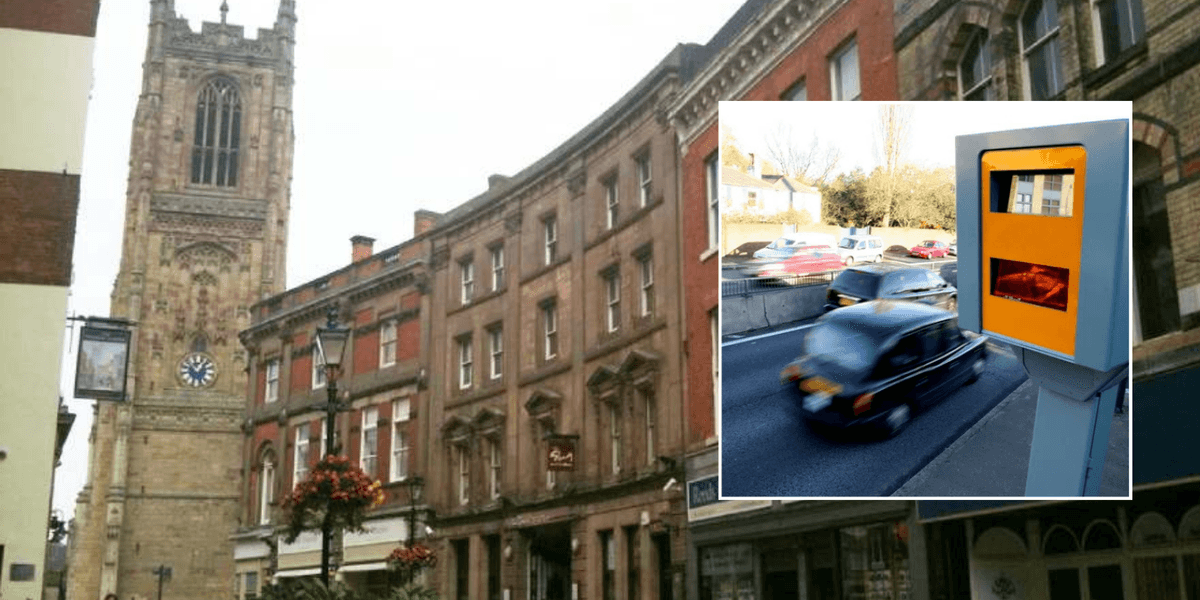
The council will introduce three new enforcement areas to tackle moving traffic offences
|
GETTY/DERBY CITY COUNCIL
According to the latest figures, Friar Gate saw just 27 warnings and four fines issued, “less than one per week,” prompting officials to conclude cameras were no longer needed.
A council statement said: “Due to the level of compliance achieved at the sites above, camera enforcement is no longer a proportionate approach as the level of compliance with the restriction is high.”
Cameras have also been removed from Darley Park Road and South Avenue, although the council said it will continue to monitor the areas and could reintroduce enforcement if standards slip.
Across the wider trial, thousands of warnings and fines have been issued. Chapel Street recorded 335 warnings and 2,982 PCNs, while St Alkmunds Way saw 1,005 warnings and 2,618 fines.
Drivers saw several cameras removed from trial areas after compliance with the rules improved
|
PABramble Street also saw significant numbers, with 781 warnings and 455 PCNs issued.
The enforcement rules targeted a range of offences, including driving into school safety zones, stopping in yellow box junctions, ignoring banned turns and entering pedestrian-only areas or cycle lanes.
Councillor Carmel Swan defended the expansion, insisting it is about safety rather than revenue.
She said: “While most drivers are careful and considerate, those that commit moving traffic offences put pedestrians, cyclists and other road users in danger.”
Drivers could be issued fines if they are caught breaking the law by an ANPR camera | AVON AND SOMERSET POLICE
Highlighting the success of the scheme so far, she added: “We’ve already seen the effectiveness of these enforcement measures and taken your feedback into account when planning this expansion.”
“Rolling them out further will help us make travel safer in more parts of the city, especially for those considering active travel options,” Ms Swan added.
By law, any money raised from fines must first cover the cost of running the scheme, with any surplus ring-fenced for transport improvements.
The council said this could fund projects such as “School Safe Haven” zones and school crossing patrols. Despite assurances, the expansion is likely to divide opinion among motorists, particularly as thousands of fines have already been issued in some areas.