




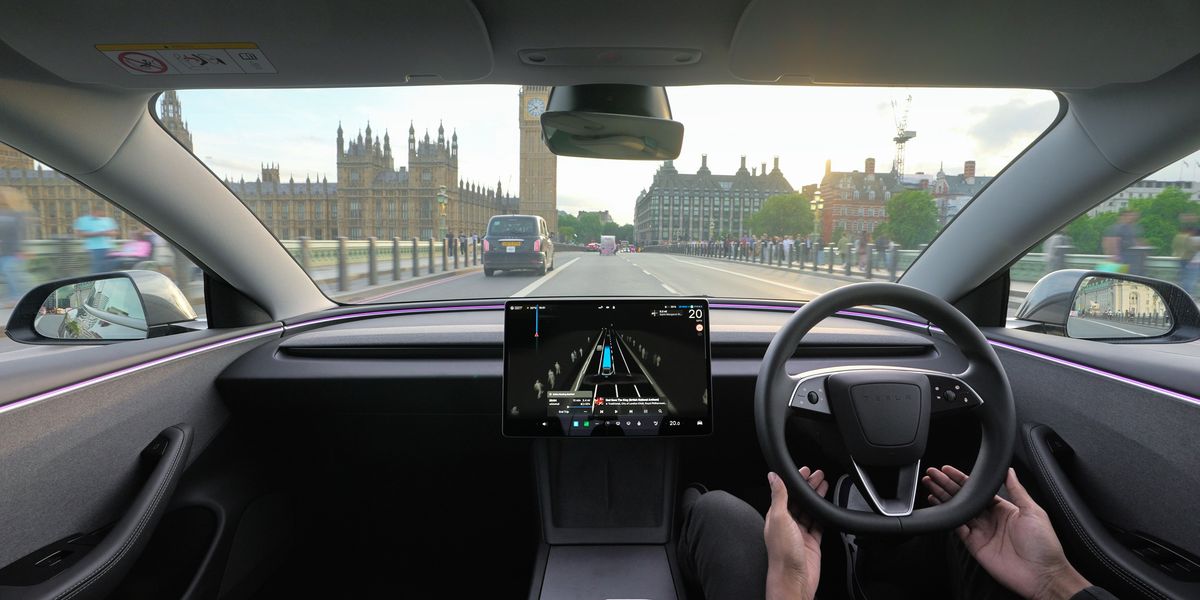
Four out of five drivers have refused to purchase a driverless car next year, marking a major blow to Labour’s ambitious technology agenda.
The findings emerged from a comprehensive study which exposed deep-seated public scepticism towards self-driving technology.
Drivers cited safety and insurance concerns around the self-driving cars
Public opinion remains overwhelmingly hostile towards driverless technology, with two-thirds of respondents expressing negative views and only 12 per cent of participants holding favourable opinions about autonomous vehicles.
This widespread concern emerges just as ministers prepare to launch experimental autonomous taxi and bus programmes in spring 2026.
Transport Secretary Heidi Alexander said: “The future of transport is arriving. Self-driving cars could bring jobs, investment, and the opportunity for the UK to be among the world leaders in new technology.
“With road safety at the heart of our pilots and legislation, we continue to take bold steps to create jobs, back British industry, and drive innovation to deliver our Plan for Change.”
The Government’s timeline anticipates that fully self-driving domestic vehicles should arrive on British roads by late 2027.
Technology Secretary Peter Kyle warned that the UK “can’t afford to take a back seat on AI, unless it’s on a self-driving bus”.
“It’s great to see the UK storming ahead as a global leader in using this technology, making our roads safer, travel easier and driving growth by spurring innovation across the country,” he added.
Current regulations permit limited autonomous features but mandate human drivers remain behind the wheel at all times.
LATEST DEVELOPMENTS:
While the new technology aims to push the UK forward, nearly a quarter of those surveyed identified accident risks as their primary concern about autonomous vehicles.
Technical malfunctions worried 18 per cent of respondents, while 17 per cent feared losing direct control over their vehicle.
Cybersecurity risks troubled 12 per cent of participants, who expressed anxiety about potential hacking incidents. Insurance complications and liability questions concerned 11 per cent of those polled.
Greg Wilson, chief executive of Quotezone.co.uk, said: “Driverless cars bring up a lot of complex questions surrounding insurance and responsibility.
“Who would be at fault in the case of a crash? Would it be the driver, the manufacturer, or the software provider?”
Wilson emphasised that insurance companies must establish comprehensive frameworks for handling claims to address consumer anxieties.
He added: “While driverless technology continues to advance at a pace, it seems public trust is still catching up.
“Many people remain understandably cautious about handing over control to a machine – especially on busy, unpredictable UK roads.”