



Ken Bruce has taken aim at the BBC for its persistent attempts to attract younger viewers and listeners, arguing the strategy often backfires on successful programmes.
The 75-year-old broadcaster departed his mid-morning Radio 2 slot in 2023 following nearly five decades with BBC radio, subsequently joining Greatest Hits Radio.
In an interview with the Telegraph, Mr Bruce acknowledged enjoying his time at the corporation and feeling “very proud to work for the BBC,” whilst noting its recurring tendency to chase younger demographics.
“You see it at the BBC all the time. They have a successful show, and they say, ‘Let’s get (younger)…'” he told the newspaper.


At his current station, Mr Bruce said the approach differs: “I think what we do is we know who we’re talking to, we know what they want to hear, and we deliver that.”
Bruce pointed to A Question Of Sport as a prime example of this misguided approach.
“That was a great show, and now I don’t think it exists anymore, because they tried to renew it to appeal to younger viewers, and they weren’t there,” he said.
The long-running sports quiz was cancelled by the BBC in 2023 after more than half a century on air, with the corporation citing inflation and funding pressures at the time.


Former tennis star Sue Barker had presented the programme for 24 years before actor Paddy McGuinness took over hosting duties in 2021.
The show was also given a makeover during this period, with celebrities from outside the sporting world brought in as guests.
Mr Bruce’s broadcasting career began at BBC Radio Scotland in 1977, and he eventually became one of the corporation’s best-paid presenters, receiving £395,000 in his final year.
While he expressed fondness for his former workplace, Bruce noted that many of his old colleagues have since “retired or left.”
LATEST DEVELOPMENTS
- Ant and Dec make tantalising vow if England win the World Cup as fans sent into meltdown
- ITV Coronation Street fans divided by harrowing storyline as some brand plot ‘creepy’
- Katie Price in fiery rant about ex-husband Alex Reid as she fumes he was ‘nothing’ before her


“I had a great time there, and [was] very, very proud to work for the BBC all those years, but you know, people do retire. It’s just that I retired and took up another job,” he said.
The veteran broadcaster admitted he appreciates the reduced attention at his new home: “I enjoy being on this station, where I think the scrutiny is slightly less than it is at the BBC.”
He described the BBC’s annual high-pay list as “the most annoying thing”.
Despite his lengthy tenure at the corporation, Bruce seldom tunes into Radio 2 nowadays. “I don’t avoid it, I just don’t bother switching it on,” he said.
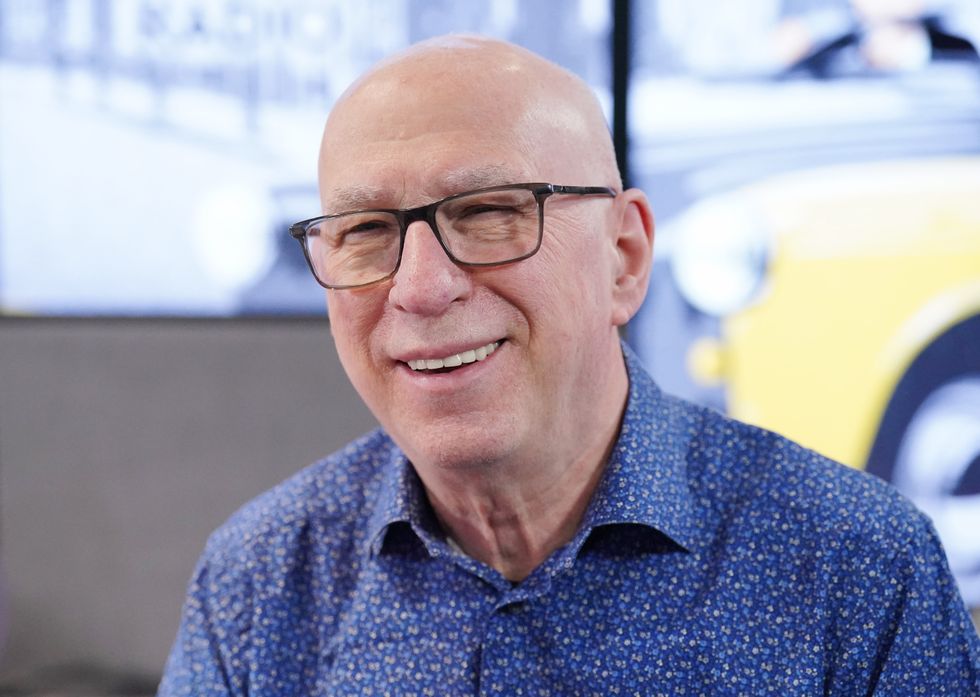

Mr Bruce reflected on predictions made early in his career that radio would become obsolete, recalling advice from a course instructor around 1978.
“When I started in the BBC, I was doing a news course, and the guy taking it said: ‘It’s going to happen. Radio will die. There’s no future in radio. Television is going to be the way people consume everything. There’s no future for radio’,” he said.
“Well, that was 1978 or something. And here we are 50-odd years later, and it’s still going strong. And stronger than ever in some cases.”
Speaking to the Press Association in 2024, Mr Bruce indicated he had no plans to step away from broadcasting, though he remained mindful of knowing when to stop.
“I don’t want to get to a Joe Biden stage,” he said at the time.
GB News has approached the BBC for a comment.
Our Standards: The GB News Editorial Charter


