
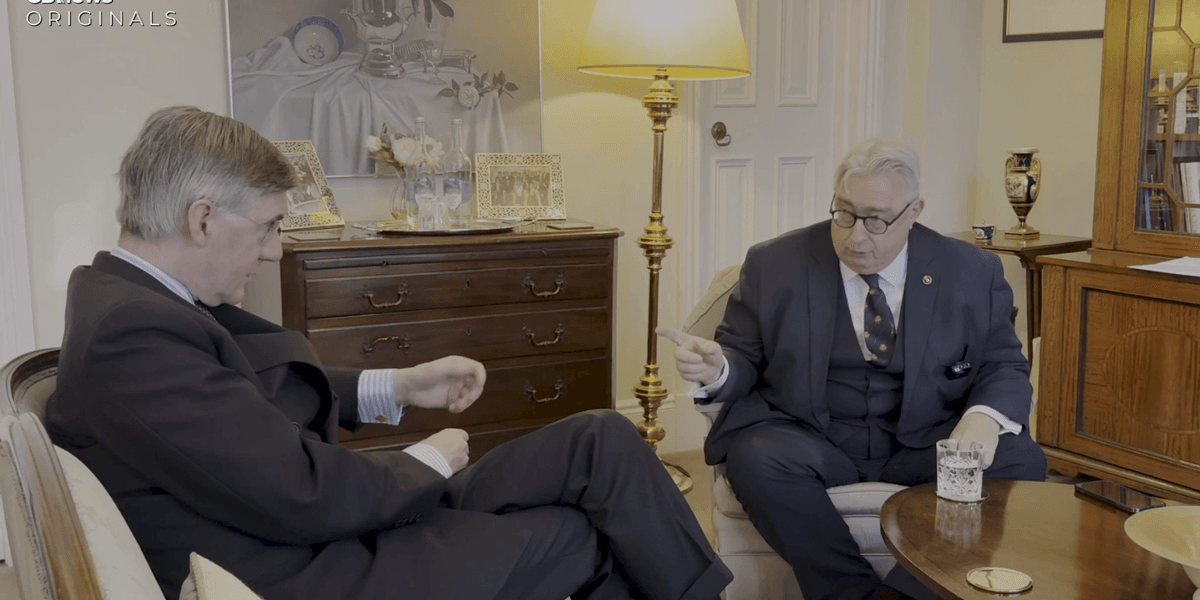

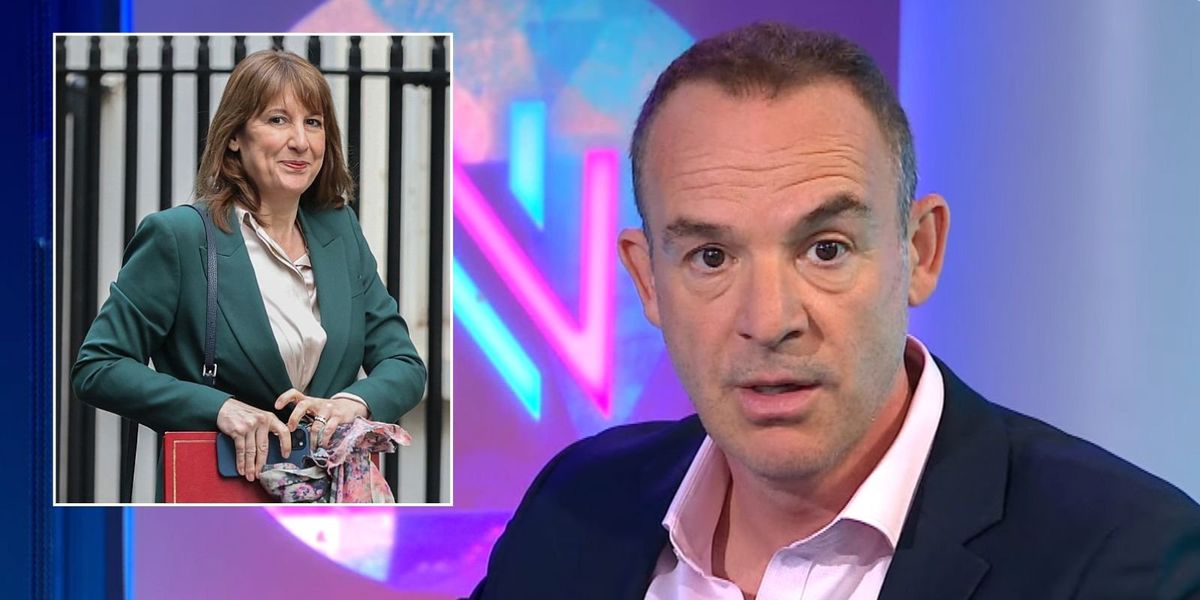
Martin Lewis has delivered a direct challenge to Chancellor Rachel Reeves, urging her to reconsider the Government’s decision to freeze student loan repayment thresholds.
The MoneySavingExpert founder addressed the Chancellor personally while appearing on BBC Newsnight on Wednesday evening.
Looking straight into the camera, Mr Lewis accused the Government of breaching the spirit of agreements made with young people when student loans were introduced.
“It’s not a tax, it’s a contract that the Government signed with young people who have not been given any education on these loans,” Mr Lewis said.
“I do not think it is a moral thing for you to do… please have a rethink.”
Mr Lewis argued that student loans were sold to borrowers as fixed agreements, rather than liabilities that could be altered retrospectively by ministers.
He said borrowers understood that taxation levels can change but were never told the same applied to student loan repayment terms.
“You didn’t say the terms were variable, this isn’t right,” he added.
The policy at the centre of the dispute was confirmed in the Chancellor’s November Budget.
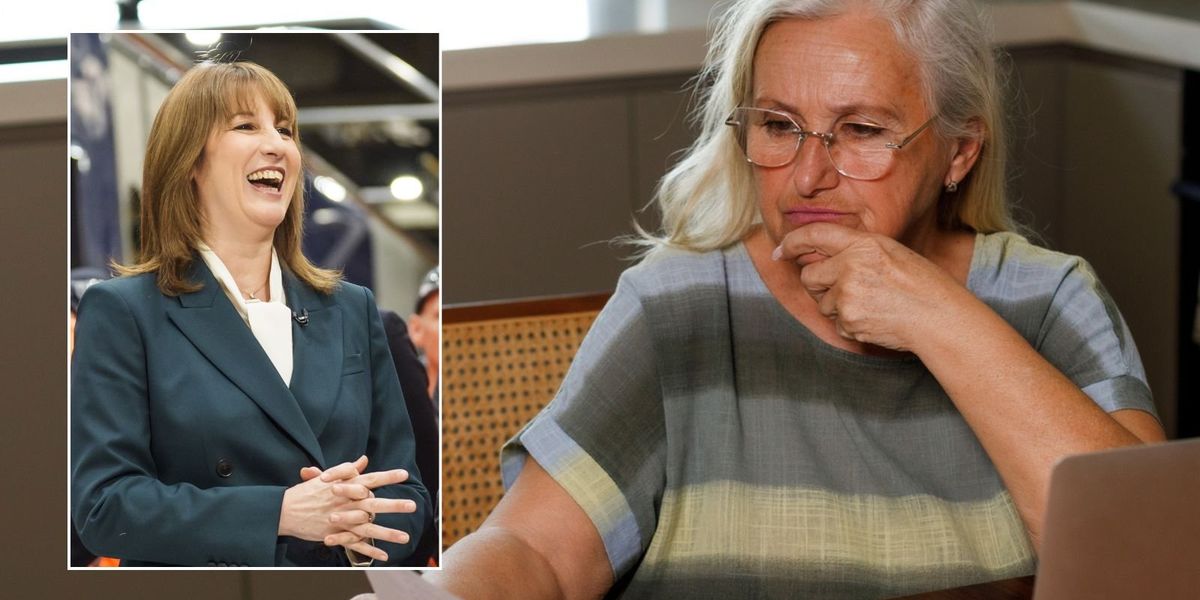
The Chancellor has been urged to rethink her repayment threshold decision
|
BBC/GETTY
From April 2027, the salary threshold at which graduates begin repaying Plan 2 student loans will remain frozen at £29,385 for three years.
The change affects around 5.8 million borrowers who took out student loans between 2012 and July 2023.
Under the current system, graduates repay nine per cent of their earnings above the repayment threshold.
Mr Lewis has argued that freezing the threshold amounts to fiscal drag, increasing repayments over time as wages rise while the threshold remains static.
Plan 2 student loans will remain frozen at £29,385 for three years
|
GETTY
He said this would result in graduates paying back more than they expected when they first took out their loans.
As salaries increase in line with inflation, a greater proportion of income will be captured for loan repayments, despite the repayment terms not being presented as variable at the outset.
Ms Reeves has defended the student loan system, insisting it remains fair and affordable.
Speaking to LBC, the Chancellor said borrowers do not begin repaying until they earn above the threshold.
“It is important that you don’t have to start paying back the student loan until you earn enough money,” Ms Reeves said.
She added that graduates only repay what they can afford and that outstanding balances are written off after 30 years.
Ms Reeves also argued that the system balances fairness between those who attend university and those who do not.
“Around half of people go to university today, but half don’t. And it is not right that people who don’t go to university are having to bear all the cost for others to do so,” she said.
Government estimates suggest around half of all students will never fully repay their loans before they are written off.
However, the National Union of Students has warned that freezing the repayment threshold for three years could place additional financial pressure on recent graduates.
The organisation said higher repayments could make it harder for young people to meet basic living costs, including rent, food and household bills.
Official figures show the scale of student debt has continued to rise sharply.
House of Commons Library data revealed that £15billion in interest was added to student loan balances during the 2024–25 financial year.
Over the same period, graduates repaid just £5billion.
Total student debt owed to the Government now stands at £270billion.
The Chancellor has described the system of interest and frozen thresholds as “fair”
|
GETTY
Critics of the system have argued that it disproportionately benefits wealthier graduates, who can repay their loans in full and avoid long-term interest charges.
Labour MP Nadia Whittome has highlighted her own experience with student debt.
Ms Whittome said she left university in 2019 owing £49,600.
She said that despite earning a top five per cent salary as an MP, six years of repayments had reduced her outstanding balance by only £1,000.
“An entire generation has been saddled with enormous debt,” she wrote.