



Robbie Moore has issued a stark warning that British farmers face soaring fuel costs following the closure of the Strait of Hormuz, with red diesel prices effectively doubling in recent weeks.
Speaking to GB News, the Shadow Farming Minister revealed farmers are now being quoted as much as “135 pence per litre” for red diesel, compared to an average of “just 67 pence last month”.
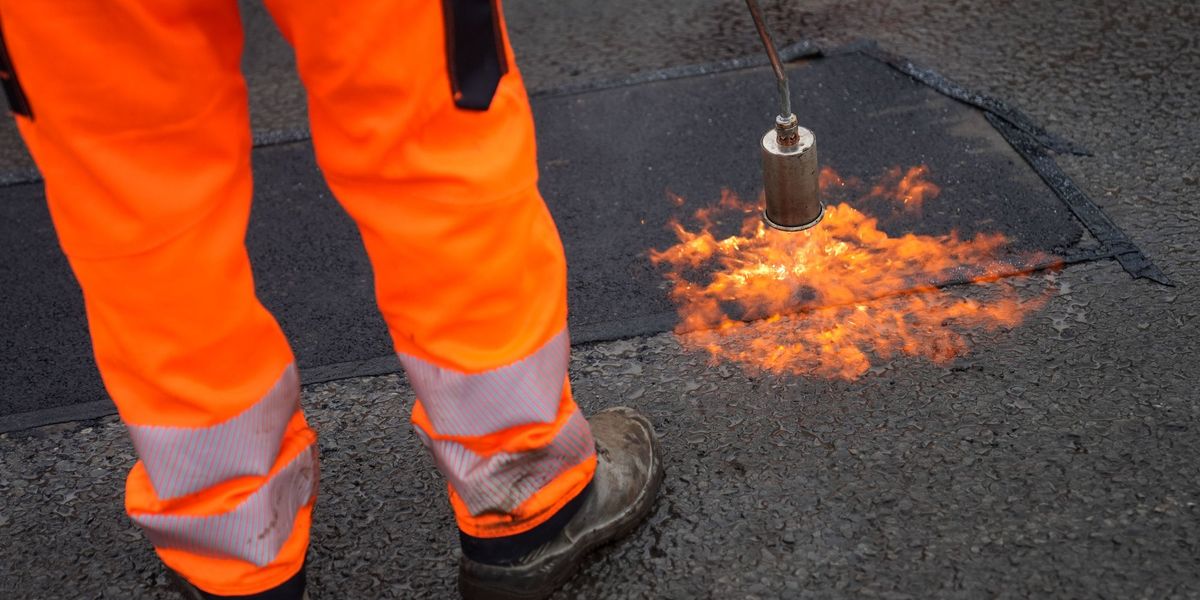
Red diesel is taxed at a lower rate than white diesel for legal use in off-road vehicles, machinery, and heating – used by the agricultural industry. It is dyed red for identification by HMRC to prevent illegal use on public roads.
The Conservative frontbencher described the situation as “deeply, deeply worrying,” noting that agricultural producers already contending with controversial Labour Government policies now face this additional financial blow from the Iran-related crisis.
Moore argued the farming community has been “under attack” by the current Government, pointing to a series of policy decisions that have squeezed agricultural finances.
The shadow minister highlighted alterations to inheritance tax rules as a key concern, alongside what he described as dramatic cuts to delinked payments – reductions he claimed ministers had previously pledged would never occur.
He told GB News: “The farming community has already been under attack by this Labour Government. We’ve seen that with the changes in inheritance tax, with the delinked payments dramatically reducing to levels that the Government said that they would never reduce those to.
“And now, of course, as a result of the challenge in Iran, fertiliser prices are going to be increasing.”
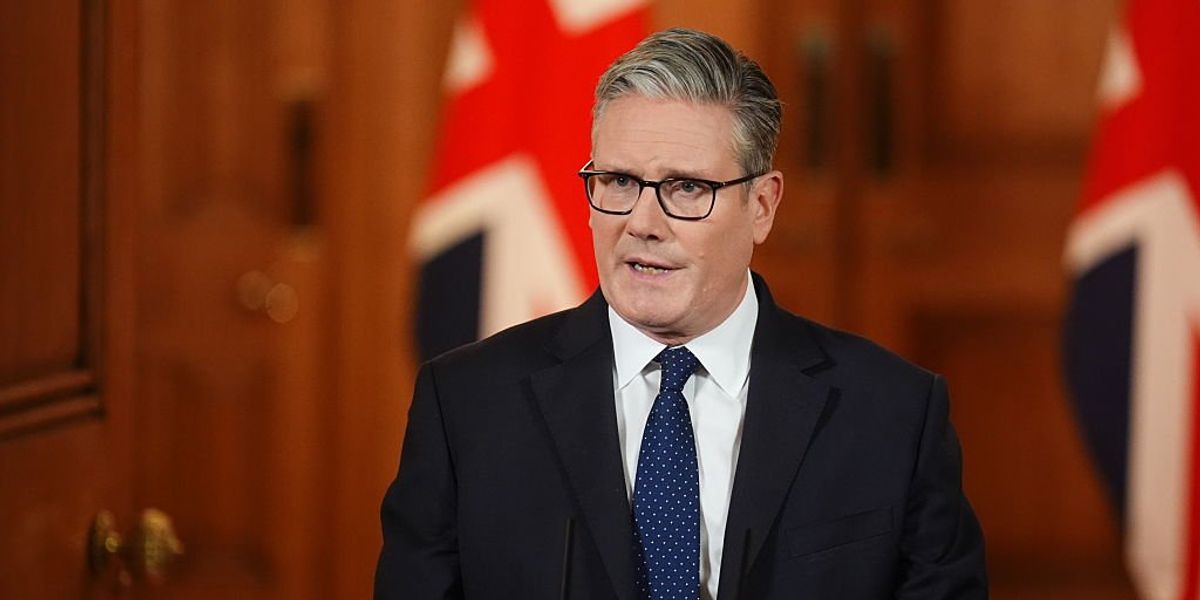
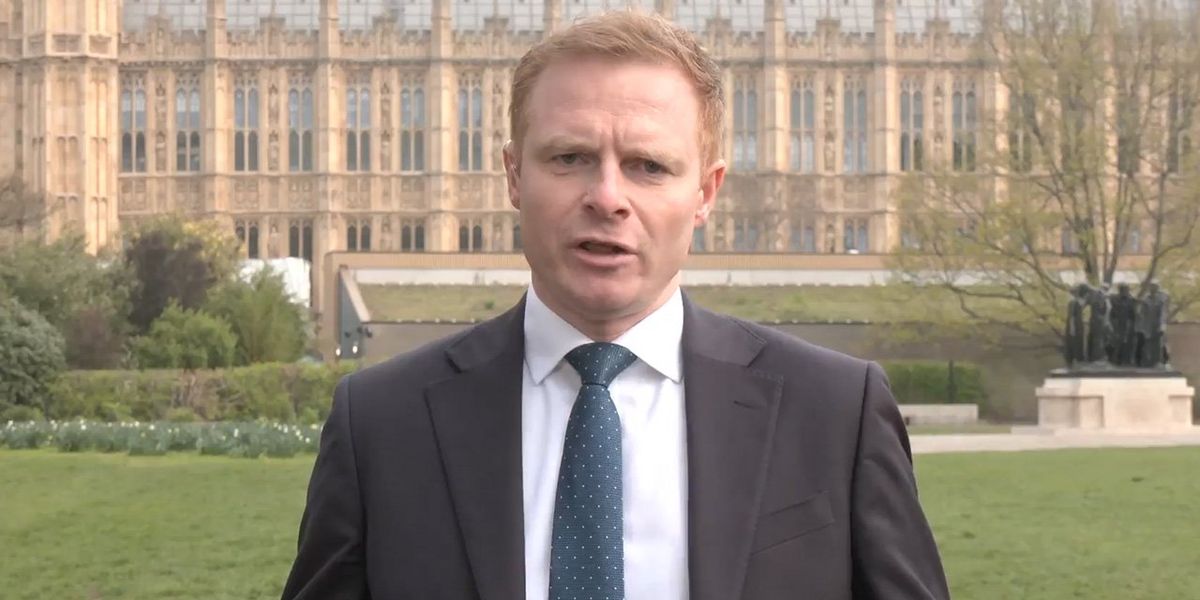
Robbie Moore has stressed the ‘deeply worrying’ pressure facing farmers amid the Middle East conflict
|
GB NEWS
He also criticised the handling of the Sustainable Farming Incentive, stating it had been “chopped, changed, moved around” with payment rates falling.
These measures, Mr Moore contended, have created significant cash flow difficulties for farmers stemming from choices made in the last two Budgets.
The surge in red diesel costs arrives at a critical moment when farmers require fuel for essential fieldwork, Mr Moore explained.
The Tory minister explained: “We’re seeing that already with the Strait of Hormuz closed, red diesel prices have dramatically increased from an average of 67 pence just last month to farmers being quoted up to 135 pence a litre for red diesel.
“All of this increases the cost of production for many of those growing crops that need that fertiliser, that need that level of work to be taking place in the fields right now utilising red diesel.”
Global factors have led to the changing fuel prices | PA
The shadow minister emphasised fertiliser prices are also set to climb as a consequence of the Iranian situation, compounding the financial strain on arable producers.
These combined increases in essential inputs threaten to push up expenses substantially for those cultivating crops this season.
Mr Moore warned these escalating costs would ultimately filter through to supermarket shelves, affecting ordinary consumers across the country.
“And therefore that will ultimately have consequences for food inflation, hitting the vast majority of people that are going out and buying their food as they do their weekly shop,” he stated.
Mr Moore told GB News that the surging prices will affect Britons ‘doing their weekly food shop’
|
GB NEWS
The shadow minister stressed the red diesel and fertiliser challenges represent an additional burden layered on top of existing financial pressures facing the agricultural sector.
He attributed these underlying difficulties directly to policy choices made by the Labour Government in its recent Budget announcements, leaving farmers caught between rising input costs and diminishing support.
Mr Moore concluded: “So this is deeply, deeply worrying.
“And of course, the challenges with red diesel and fertiliser are an added increase on top of the cash flow pressures that this Labour Government has put on our farming community as a result of the choices that they have made in the last two Budgets.”