


HMRC has updated its latest advisory fuel rates for company car drivers of petrol, diesel and electric vehicles, which will take effect from June 1, following soaring fuel prices across the UK.
The changes published today will affect thousands of workers who use company cars for business travel, who will now be able to claim more for travel.
Petrol and diesel reimbursement rates, known as Advisory Fuel Rates, have both increased by several pence per mile after record costs at the pumps.
Under the new rules, drivers with petrol cars up to 1,400cc will now receive 14p per mile, up from 12p, in a welcome move for motorists.
For petrol vehicles between 1,401cc and 2,000cc, the rate rises from 14p to 17p per mile. Meanwhile, larger petrol cars over 2,000cc will jump from 22p to 26p per mile.
Diesel drivers are also set for significant increases. Cars up to 1,600cc will increase from 12p to 15p per mile. Vehicles between 1,601cc and 2,000cc will rise from 13p to 17p.
Drivers of diesel cars over 2,000cc will now receive 23p per mile instead of 18p. HMRC reviews the rates every three months and said the increases reflect the sharp rise in fuel costs.
The tax authority said: “The latest petrol and diesel prices are taken from the Department for Energy Security and Net Zero.”
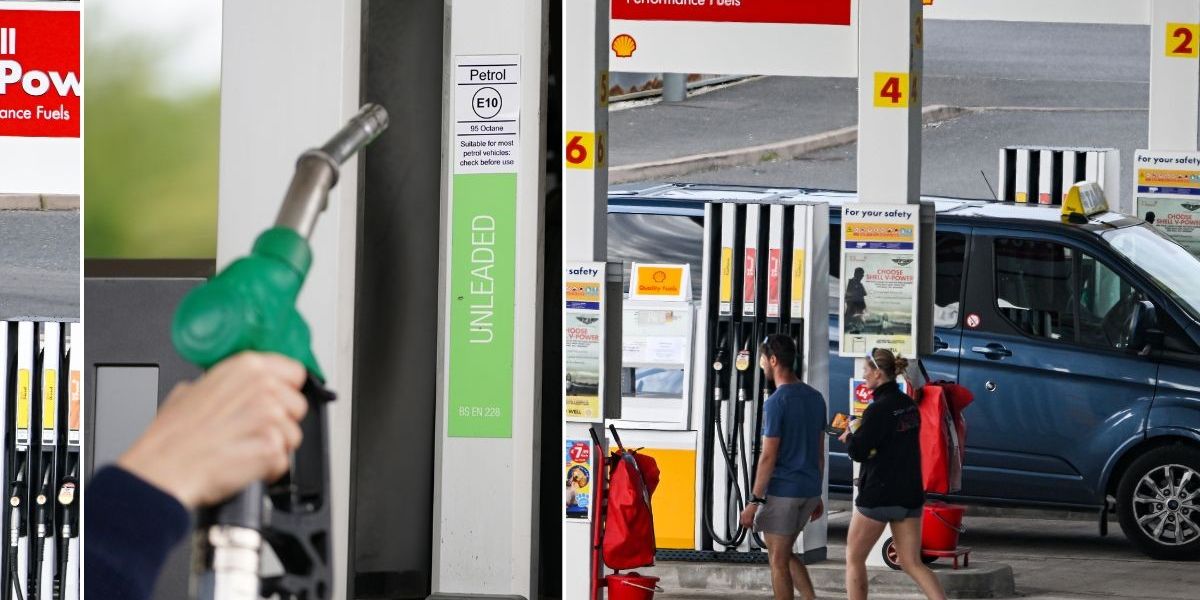
HMRC will unveil new advisory fuel rates next week | PA/GETTY
The updated figures are designed to help employers reimburse workers fairly when using company vehicles for business journeys.
The rates can also be used when employees repay employers for private fuel use in company cars. There were also changes for LPG vehicles.
Drivers with smaller LPG cars up to 1,400cc will now receive 11p per mile instead of 10p. Medium-sized LPG vehicles rise from 12p to 13p.
Larger engines over 2,000cc increase from 19p to 21p per mile. Electric vehicle drivers will see no increase to reimbursement rates this quarter.
The new advisory fuel rates will be unveiled and come into effect on June 1
|
PAThe home charging rate remains at 7p per mile, while the public charging rate stays at 15p. HMRC introduced separate rates for home and public charging last year after complaints that EV drivers using expensive public chargers were losing money.
The Government body explained that the home charging rate is based on electricity prices of 26.9p per kilowatt-hour.
For public charging, the calculation is based on a cost of 54p per kilowatt-hour using data from the Zapmap charging index.
HMRC explained: “A higher amount than the advisory rates can be used as long as you can show that the fuel cost per mile is higher.”
The Government updates the advisory fuel rates every three months | GETTY
The authority explained that drivers using ultra-rapid public chargers, which can cost much more, may still be able to claim extra reimbursement if they can prove the higher expense.
Hybrid vehicles will continue to be treated as either petrol or diesel cars, depending on engine type.
The changes come as businesses face continued pressure from high fuel prices and rising operating costs.
HMRC stressed the advisory rates only apply to employees using company cars and “must not” be used in other circumstances.
The organisation added: “If your cars are more fuel efficient, or if the cost of business travel is higher than the guideline rates, you can use your own rates to reflect your situation.”