



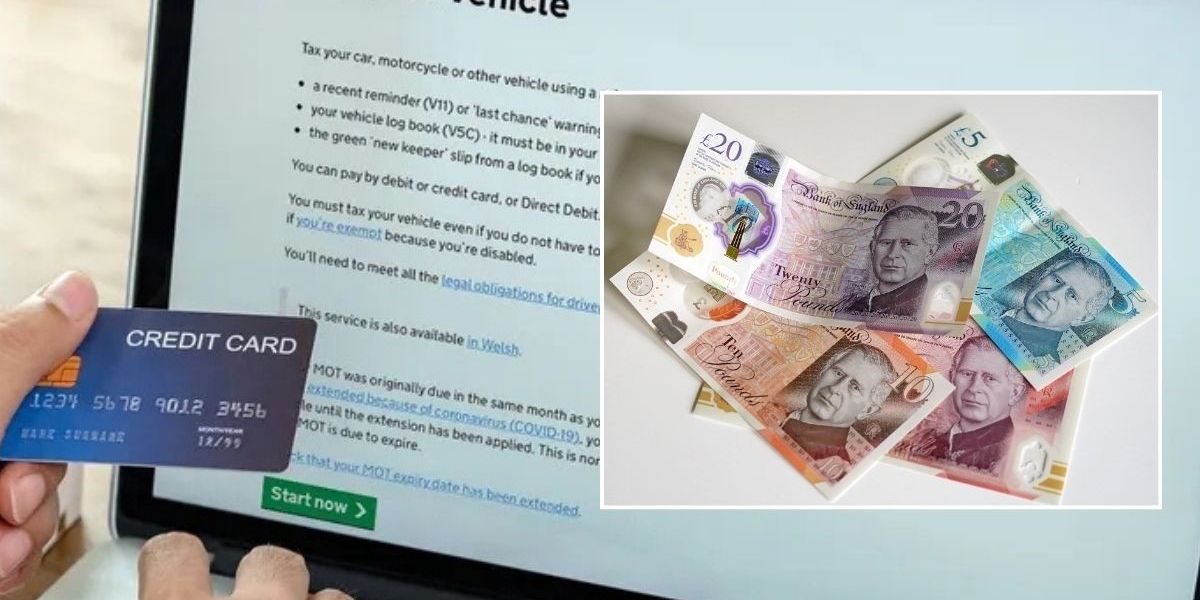
Guernsey motorists could soon face a new annual vehicle tax costing an average of £132 a year as part of major plans to tackle the island’s growing financial problems.
The proposed tax reforms, which will be debated by the States of Guernsey next month, would also include a 25 per cent cut in fuel duty.
If approved, drivers will be able to pay the new vehicle tax online, ending the need for the old system that required motorists to visit a tax office in person.
Deputy Adrian Gabriel, President of the Environment and Infrastructure Committee, said the island already has the technology needed to run the scheme.
“We already have a provider on board that does our vehicle registration system, and they are well placed to expand that to do what we want with motor tax,” he said.
The fuel duty reduction would bring Guernsey’s rates closer to those in Jersey and could raise around £39million a year.
Officials have warned that Guernsey is facing a long-term structural deficit and could run out of reserve funds by 2031 if no action is taken.
The Guernsey Government estimates suggested the island needs to find at least £80million a year through a mix of spending cuts and new taxes.
The Guernsey Government will be looking at reforming the tax policy, which includes new motor charges
|
X/PAThe need to reform follows concerns that an ageing population has been putting growing pressure on health, care and pension budgets, while the number of working-age taxpayers continues to fall.
Under the plans, the new vehicle tax would be based on a car’s weight and emissions, with private car owners paying between £25 and £280 a year, depending on the type of vehicle they drive.
Electric and hybrid vehicles would also be included in the annual tax system for the first time.
Drivers of smaller and cleaner cars, such as a Fiat 500 or Toyota Aygo, would pay around £20 to £24 annually, while larger vehicles would face the highest standard charge of about £140.
The new tax changes would help raise £39million a year and help close a major gap in public finances
|
GETTYA separate luxury vehicle charge is also being proposed, in a similar fashion to the UK Expensive Car Supplement.
Cars worth more than £50,000 would face an extra fee starting at £2,500, and would rise to £10,000 for vehicles valued at £200,000 or more.
Commercial vehicles would be taxed under a different system based on weight, with charges starting at £110 for lighter vans and rising to as much as £1,815 for the heaviest lorries.
Despite concerns that the return of vehicle tax could create extra bureaucracy, Deputy Gabriel insisted the process would be straightforward for most motorists.
The new luxury car tax would apply to vehicles with a list price of more than £50,000 in Guernsey
|
PAIncome tax changes are also planned, as the personal tax rate is expected to fall to 15 per cent on earnings up to £28,000, while income above that level would continue to be taxed at 20 per cent.
Employers would also see social security contributions rise from 7.1 per cent to 7.6 per cent by 2029.
The proposals include changes to business taxation, with more regulated companies expected to pay a 10 per cent rate on their profits.


