


Four major changes to household energy bills are expected to come into effect from next month, but how will your family be impacted?
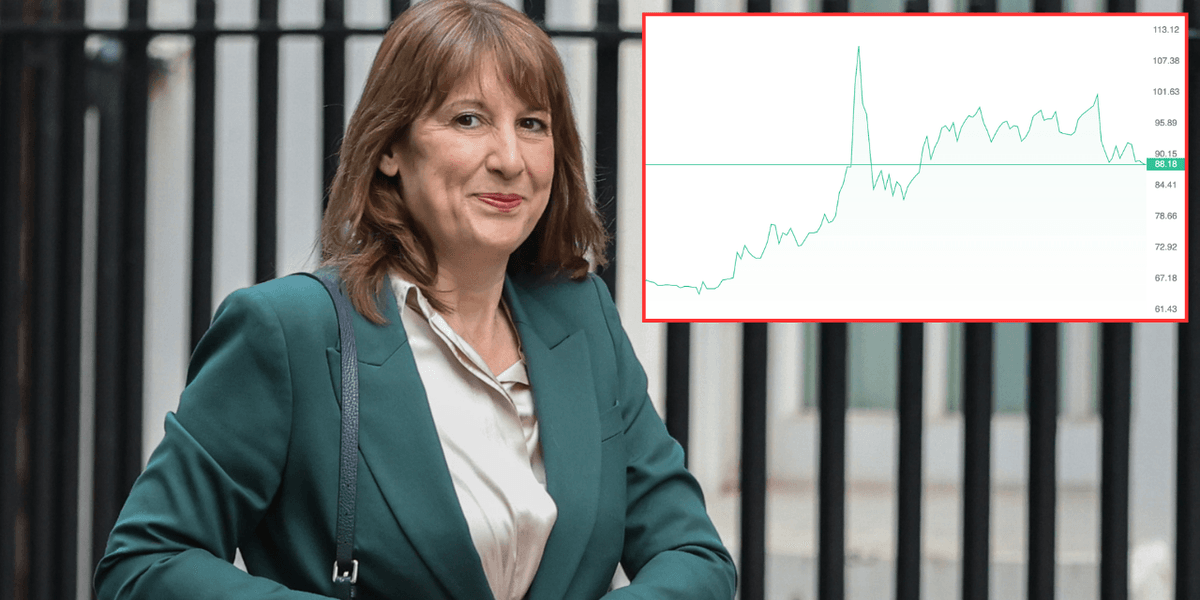
Britons become increasingly concerned about the cost of living once again in response to the US-Iran war, which has seen oil prices surge past $100 a barrel.
Prior to the conflict in the Middle East, energy regulator Ofgem confirmed the price cap for gas and electricity would fall from April to June 2026.
Furthermore, the Labour Government has previously outlined cost of living support to households, which is expected to see bills cut by around £150.
Energy bills will change from next month
|
GETTY
Here is a full list of the upcoming changes to energy bills that will come into effect from April 2026:
- Energy price cap falls by seven per cent, or £117, to £1,641 per year
- Environmental and social scheme costs removed or shifted to taxation, saving households £150 annually
- Lower wholesale energy prices are slashing bills by a further £38
- New tariff rates introduced, meaning electricity comes to 24.67p/kWh with 57.21p daily standing charge and gas sits at 5.74p/kWh with 29.09p daily standing charge.
The Iran war has caused major disruption across the globe | GETTY
Ofgem’s chief executive to step down at end of the month | GETTY
As of April 1, the price cap will fall to £1,641 a year for dual-fuel customers paying by Direct Debit, making bills 11 per cent or £208 lower than the same period in 2025.
For families, this translates to savings of roughly £10 each month. Compared with the same quarter last year, the reduction is even more pronounced, with bills sitting 11 per cent lower than April 2025 levels, resulting in a difference of £208.
Between April and June 2025, the cap climbed to £1,849—a six per cent rise affecting approximately 11 million customers on default tariffs. That increase followed two previous quarterly hikes, driven largely by an 11 per cent surge in wholesale energy costs.
Shay Ramani, a spokesperson from Free Price Compare, said: “While the April 2026 reduction offers welcome relief, households should remember that bills remain significantly higher than pre-crisis levels.
Pensioners are expected to bear the brunt of the looming hike in energy bills | GETTY
“The £117 saving works out at just over £10 a month, which barely scratches the surface for the estimated six million households still in fuel poverty.” The reduction stems from two principal factors.
Government policy changes account for the bulk of the savings, with ministers announcing that two environmental and social programmes will either conclude or shift to funding through general taxation from April.
This adjustment alone delivers average savings of £150 per household. Declining global wholesale energy prices contribute a further £38 to the overall decrease, according to Ofgem figures.
Energy costs have risen approximately 15 per cent since September 2024, and an estimated six million households continue to experience fuel poverty. Charities have urged the introduction of targeted social tariffs to shield vulnerable customers from future volatility, which is expected to arise from the US-Iran war.