




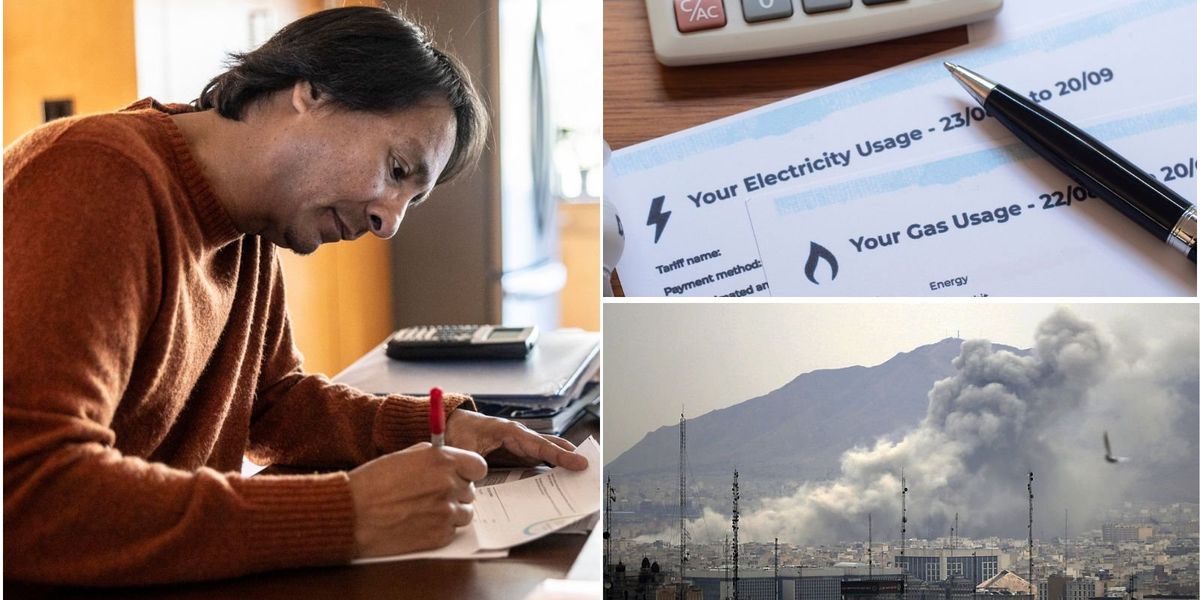
British businesses are bracing for dramatic energy cost surges, with gas bills set to climb by as much as 80 per cent following the outbreak of the Iran war and subsequent disruption to vital shipping lanes, energy analysts have warned.
Cornwall Insight reports that April will prove particularly punishing for companies, as it marks a peak period for contract renewals coinciding with the wholesale price shock triggered by the Middle East conflict.
The consultancy forecasts electricity costs have jumped between 10 and 30 per cent since hostilities commenced in late February, while gas prices have spiked anywhere from 25 to 80 per cent.
Unlike everyday households, businesses have no price cap protection provided by the energy industry regulator, Ofgem.
Energy bills could surge by 80 per cent, analysts warn
|
GETTY
Cornwall Insight calculates that a typical 12-month electricity contract for such firms now averages £578,000, representing a 20 per cent increase since the beginning of February.
Gas costs have risen even more sharply, with annual bills for these businesses climbing by nearly 60 per cent to surpass £1.02million on average.
The timing proves especially damaging as April traditionally sees numerous companies rolling off fixed-rate agreements, precisely when suppliers are withdrawing more affordable deals and hiking their tariffs in response to market volatility.
Jacob Briggs, energy users lead at Cornwall Insight, said: “Since the start of the month, business energy bill forecasts have soared. Many of these companies are already battling slimmer margins, so this rise in energy costs is not something they can simply absorb.”
Businesses have expressed concerns over spiralling employment costs | GETTY
The US-Iran war has caused oil prices to spike across the world’s energy markets
|
ReutersThe analyst warned that for certain enterprises, the difference could determine whether they proceed with expansion plans or abandon them altogether this year.
“For some firms, this could mean the difference between investing in growth this year or shelving their plans entirely, and for others, high bills could force some very difficult economic decisions,” Mr Briggs added.
Larger corporations typically insulate themselves from such market turbulence through energy hedging arrangements secured months or even years ahead, leaving smaller operators exposed to immediate price fluctuations.
Mr Briggs urged ministers to consider measures supporting businesses with their energy expenses, noting that “there is no real safety net for businesses when the wholesale market spikes”.
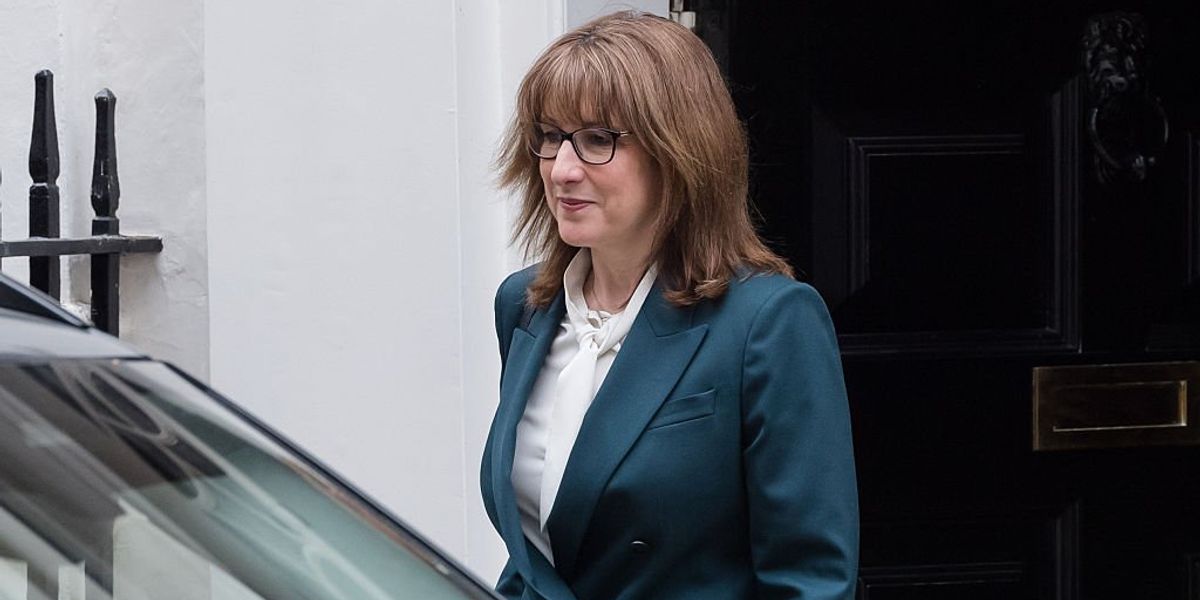
Rachel Reeves is being urged to consider more support for businesses
|
POOLThe situation leaves companies with limited options as suppliers factor uncertainty into their pricing. “When fixed offers disappear and suppliers start pricing in uncertainty, companies are left with few viable choices,” he said.
Earlier this week, Chancellor Rachel Reeves promised to bring forward a cost of living support package to those “who need it most” if energy bills spike in response to the US-Iran war.
Speaking to MPs in the House of Commons, Ms Reeves claimed the Labour Government has started to contingency plan for “every eventuality” resulting from the conflict.