

Motorists are being warned of new road rules introduced over the last month that could see major changes made to MOT tests and electric car targets.
New MOT test rules were introduced to crack down on fraud, while experts have called for the price of a test to rise to almost £95, which could see drivers pay significantly more for their test.
GB News has rounded up the most important driving law changes introduced over the last month that you may have missed.
MOT tests
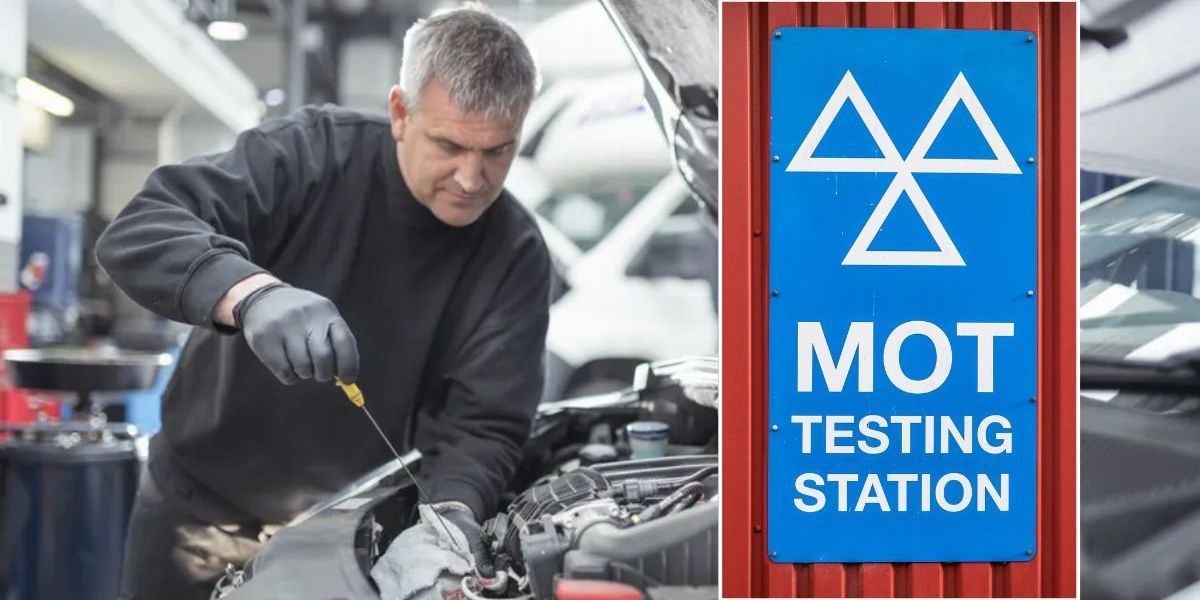
At the start of August, the DVSA confirmed new rules for MOT garages around the UK in a bid to crack down on vehicle fraud and protect motorists.
The feature allows MOT garages to take a photo of the vehicle during the test to prove that the vehicle was present during the process.
It follows two successful trials in which 300 garages across Great Britain took part, capturing and uploading over 60,000 images.
New driving law changes were introduced throughout August
|
GETTYThe new “Photos at Test” feature, which looks to crack down on so-called “ghost MOTs”, will roll out to around 2,500 garages across the country.
Grant Thunder, Head of MOT, said: “The MOT is designed to help keep road users safe by helping ensure vehicles are roadworthy and environmental standards are maintained.
“Photos at Test will help prevent fraud, provide reassurance to motorists, and protect the reputations of hard-working and honest MOT testers across the country.
“This change adds to the range of intelligence and evidence gathering processes used by DVSA to tackle MOT fraud, and will help us to take action against anyone who attempts to undermine the integrity of the MOT or compromise road safety.”
The MOT ‘Photo at Test’ feature was rolled out at the start of the month
|
GOV.UK
Electric cars
The Government launched a new consultation into the future of the Zero Emission Vehicle mandate over fears that manufacturers in the UK could be hesitant to invest further in EV targets.
The ZEV mandate states that 80 per cent of all new car sales must be electric by the end of the decade, before rising to 100 per cent in 2035.
It falls alongside the plan to ban the sale of new petrol and diesel cars by 2030, before only zero emission vehicles are available from 2035.
However, the mandate has been met with criticism from manufacturers, who argue that the measures are too restrictive and could potentially lead to production being moved elsewhere.
A graph showing current legislated ZEV headline targets for cars and four alternative options | GOV.UK
The consultation suggests that the 80 per cent target in 2030 could be maintained, or reduced to 70 per cent, 60 per cent, or 50 per cent.
Similarly, the 70 per cent target for van sales in 2030 could also be maintained, or cut to as little as 60 per cent, 50 per cent or 40 per cent.
Transport Secretary Heid Alexander said it was right for the Government to keep the rules under review to ensure they are “practical and back British industry”.
Despite this, some industry experts warned that any changes to the mandate could seriously jeopardise the uptake of electric cars over the coming years.