



Labour has unveiled a new transport strategy that aims to cut congestion by encouraging people to ditch their cars and use public transport instead.
The plan, called the “Better Connected” strategy, sets out a wide-ranging overhaul of how people can travel across the UK.
Ministers explained how the goal is to make transport “greener, safer and more affordable”, but critics have warned the move is a clear push to reduce car use.
The Department for Transport detailed how the strategy will give “millions of passengers” access to more reliable and affordable transport, while also handing more power to local leaders to design systems that work in their areas.
At the centre of the plan is a major expansion of contactless travel. The Government said it wants to replicate systems already used in cities like London, Liverpool and Nottingham, where passengers can move between different types of transport using a single tap of their bank card.
The Department for Transport said: “To reduce the amount of congestion on roads, public transport should be the cheapest and most convenient option for the majority of local trips.”
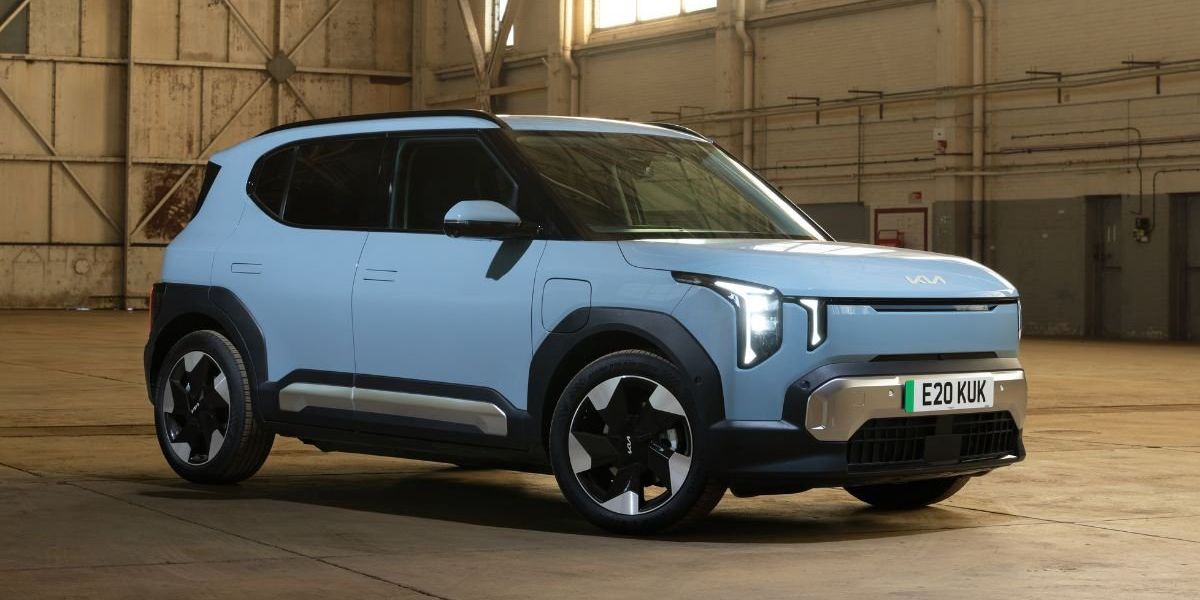
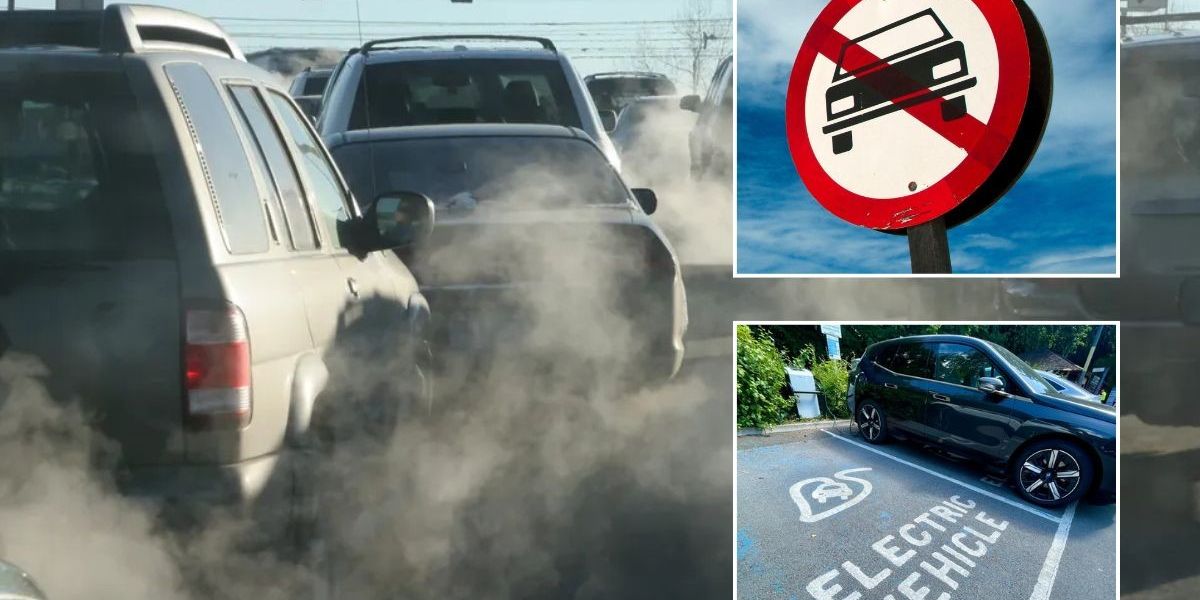
However, the Government stopped short of abandoning cars altogether. It added: “For journeys that need a car, electric vehicles play a role in reducing emissions and improving local air quality.”
A major part of the plan is making public transport simpler to use. Officials want to remove confusing ticket systems and modernise payments across trains, buses and trams.
The new plans hope to push car sharing as a way to cut traffic and reduce congestion
|
GETTYThe newly nationalised Great British Railways will aim to scrap the need for so-called “split fares,” where passengers buy multiple tickets to save money. Instead, fares should be clearer and easier to understand.
Local areas will also be encouraged to roll out pay-as-you-go systems and mobile ticketing, giving passengers more flexible ways to pay.
Technology will also play a big role. The Government said passengers will eventually be able to track buses in real time using apps such as Google Maps, reducing uncertainty and waiting times.
Artificial intelligence will also be used to improve timetables and make services more reliable. There is also a focus on accessibility. The strategy promises better support for disabled passengers, including step-free access at stations and improved staff training.
Car clubs could help drivers give up their petrol and diesel cars | GETTY
Transport Secretary Heidi Alexander said the aim is to create a system “that connects communities, that considers accessibility and safety by default and that gives people affordable choices over how they travel”.
Alongside public transport, ministers are also pushing car sharing as a way to cut traffic. New guidance will be issued to councils to encourage more car clubs, including setting aside dedicated parking spaces. The idea is that fewer people will need to own a car if shared vehicles are widely available.
For drivers who still rely on their cars, the Government has promised some improvements. A new National Parking Platform is expected to allow motorists to pay for parking anywhere using their preferred app, rather than juggling multiple systems.
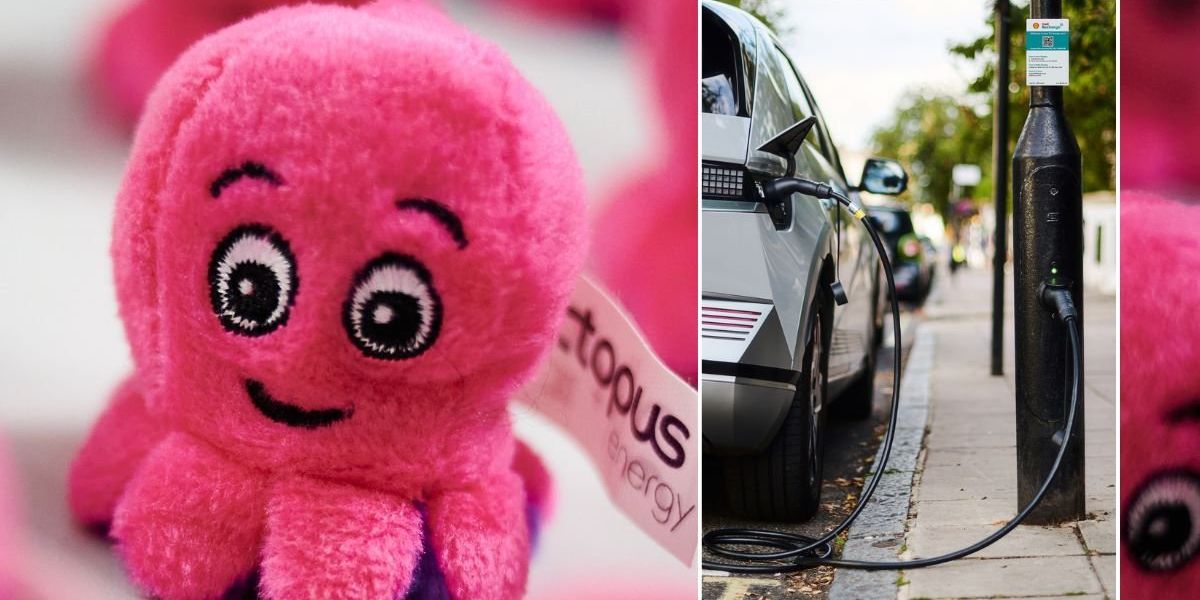
There are also plans to make electric vehicle charging cheaper and more accessible. A consultation is ongoing to reduce the cost of public charging, particularly for drivers without driveways.
The new strategy looks to prioritise trains
|
PAIn addition, £600million will be invested in expanding the UK‘s EV charging network. Despite the shift away from driving, ministers insist they are still committed to maintaining the road network.
The Department for Transport recently confirmed a £27billion investment in major roads and motorways. On top of that, the Government aims to spend £2billion a year fixing potholes by 2029.
The Government also hopes that by improving alternatives, more people will choose to leave their cars at home, easing congestion and cutting emissions in the process.